News and articles
- Home
- Articles






Latest posts
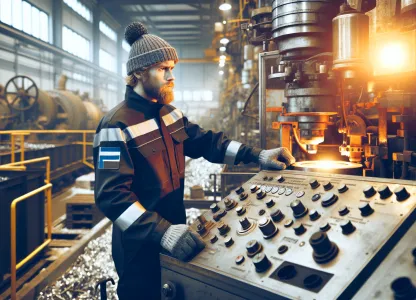
A process operator at a precious metals smelter is responsible for monitoring and controlling production processes where precious metals such as gold, silver, and platinum are produced and refined. Tasks include following production parameters, handling machinery and equipment, and ensuring quality and environmental standards are met. The process operator often works in shifts and in an industrial environment where accuracy and safety are central.
Read more ->
A process chemist is responsible for developing, optimizing, and monitoring chemical processes within the industry. Tasks often involve analyzing raw materials, adjusting production methods, and ensuring processes are efficient and environmentally friendly. Process chemists typically work in laboratory environments as well as in production facilities, collaborating closely with technicians and engineers. The work environment can vary from office-based with computer work to more practical work in laboratories or factories where safety regulations are important.
Read more ->-

Opinion Landscape: Novus February 2026 – Social Democrats Still Largest
Thu, 19 Feb 2026 - 01:35 -

Policy rate remains at 1.75% – Riksbank signals stability
Thu, 29 Jan 2026 - 14:02


A process engineer specializing in telecommunications primarily works on developing, improving, and optimizing production and technical processes within the telecom industry. Tasks include analyzing system flows, troubleshooting, implementing new technical solutions, and coordinating between departments to ensure efficient production and quality. The environment is often office-based but may also involve visits to production facilities or technical installations to follow up on processes and ensure operational reliability.
Read more ->
A process engineer in telecommunications with a master's degree in engineering is responsible for developing, optimizing, and monitoring technical processes within the telecom sector. The work often includes analyzing and improving production flows, implementing new technical solutions, and ensuring that systems and networks operate efficiently and reliably. The work environment is usually office-based with elements of laboratory or field work, where collaboration with other engineers and technicians is common.
Read more ->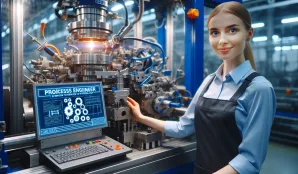
A process engineer specializing in mechanical engineering primarily works on developing, optimizing, and monitoring manufacturing processes within the industry. Tasks include analyzing production flows, implementing technical solutions, and collaborating with production staff to ensure efficiency and quality. The process engineer also identifies areas for improvement and contributes to innovation in production. The work environment often combines office work with visits to production facilities, requiring technical understanding and problem-solving skills.
Read more ->
A process engineer specializing in mechanical engineering primarily works on developing and optimizing manufacturing processes for machines and mechanical systems. Tasks include analyzing production flows, implementing technical solutions, and coordinating between departments to ensure efficiency and quality. The process engineer often participates in projects from concept to finished product and works in an environment that combines office work with visits to production sites. The work environment is characterized by technical problem-solving and collaboration with specialists in various fields.
Read more ->
A process engineer specializing in chemical engineering is responsible for developing, optimizing, and monitoring industrial processes within the chemical and chemical engineering sector. Tasks include analyzing chemical reactions, process design, troubleshooting, and implementing improvements to increase efficiency and safety. The process engineer often works in laboratory settings, industrial plants, or office environments where collaboration with other technical specialists and production staff is common. The work environment demands precision, problem-solving skills, and a good understanding of chemical engineering principles.
Read more ->
A process engineer in chemical engineering is responsible for developing, optimizing, and monitoring chemical processes in industry. Tasks include everything from designing new production lines to improving existing processes with a focus on efficiency, environment, and safety. The work is often carried out in close collaboration with production teams, laboratory staff, and other engineers. The work environment is varied and can shift between office, laboratories, and process plants, where safety considerations are of utmost importance.
Read more ->
A process engineer specializing in power engineering is responsible for developing, optimizing, and monitoring technical processes within the power industry. Tasks often include system design, troubleshooting, quality assurance, and implementing new technical solutions to ensure efficient and safe production or distribution of electricity. The work environment is typically office-based with fieldwork components, where collaboration with other engineers, technicians, and production staff is common.
Read more ->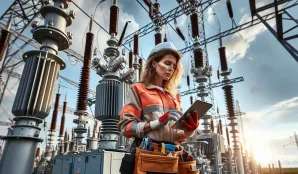
A process engineer specializing in power engineering with a master's degree works on developing, optimizing, and commissioning technical processes within the electricity and energy sector. Tasks include analyzing power systems, ensuring efficient energy use, and improving production processes through technical solutions. The environment is often office-based but may also involve visits to facilities and collaboration with technicians and project managers to implement new systems.
Read more ->