News and articles
- Home
- Articles






Latest posts

A process operator within steelworks is responsible for monitoring and controlling production processes in metal manufacturing. The job involves checking machines and facilities to ensure production meets established quality and safety standards. The operator adjusts process parameters, performs troubleshooting, and reports deviations. The work environment is often industrial with noise and high temperatures, making safety regulations and protective equipment central to the role.
Read more ->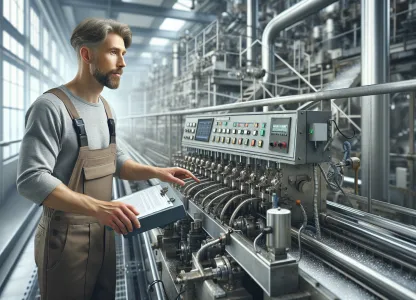
A process operator in the sugar industry is responsible for monitoring and controlling production processes in sugar manufacturing. Tasks include handling machinery, checking quality parameters, and ensuring that production follows established routines and safety regulations. The work environment is often industrial, with exposure to heat, noise, and chemicals, requiring precision and compliance with safety rules.
Read more ->-

Opinion Landscape: Novus February 2026 – Social Democrats Still Largest
Thu, 19 Feb 2026 - 01:35 -

Policy rate remains at 1.75% – Riksbank signals stability
Thu, 29 Jan 2026 - 14:02

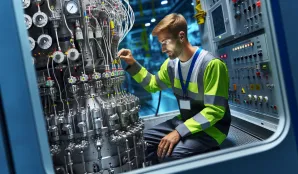
A process operator specializing in radioactive waste is responsible for monitoring and controlling processes that handle and treat radioactive waste. The tasks include checking plant functions, ensuring that processes follow strict safety regulations, and managing technical systems to minimize risks to both the environment and personnel. The work environment is characterized by high safety and precision requirements, often in environments with limited access and special protective measures.
Read more ->
A petroleum process operator monitors and controls processes in refineries and facilities where oil, gas, and other petroleum products are extracted, refined, and handled. The work involves operating advanced machinery and systems, following production schedules, and ensuring the facility operates efficiently and safely. The process operator is responsible for quickly identifying and managing operational disturbances, performing basic maintenance, and documenting production data. The work environment often involves shift work, high safety standards, and presence in control rooms and on-site, requiring precision and technical expertise.
Read more ->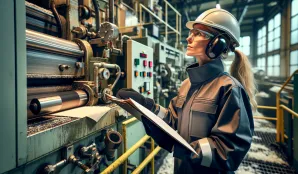
A process operator within pulp production is responsible for monitoring and controlling machines and processes used in paper pulp manufacturing. Tasks include adjusting process parameters, inspecting product quality, and ensuring efficient and safe production flow. The work environment is often industrial, with work in production facilities where noise and high temperatures may occur. Safety and precision are crucial aspects of the profession to avoid operational stoppages and quality issues.
Read more ->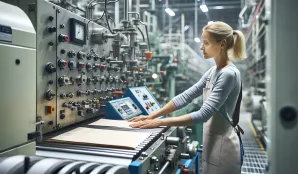
A paper process operator is responsible for monitoring and controlling machines and processes in the paper industry. Tasks include ensuring efficient production flow, adjusting machine settings, and performing quality checks on the produced paper. The work environment is often industrial with shift work, where safety and precision are key factors. The operator works closely with technicians and maintenance staff to optimize production and minimize downtime.
Read more ->
A process operator in dairy products is responsible for monitoring and controlling production processes in dairy plants. Tasks include handling machinery and equipment used for producing products such as milk, cheese, and yogurt, as well as ensuring that production meets quality and safety standards. The work environment is often industrial, with a focus on hygiene and safety, requiring the operator to follow strict routines to avoid contamination and machinery damage.
Read more ->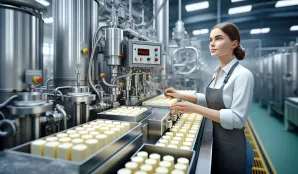
A process operator in margarine production is responsible for monitoring and controlling machines and production lines in the manufacturing of margarine. Tasks include ensuring raw materials are handled correctly, following production schedules, and maintaining quality controls throughout the process. The operator often works in an environment with machines and technical systems, where accuracy and the ability to act quickly during deviations are important. The work environment is characterized by shift work and safety requirements to prevent accidents.
Read more ->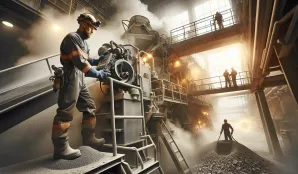
A process operator specializing in ore beneficiation is responsible for monitoring and controlling processes that improve and refine ore within the industry. Tasks include handling equipment, checking ore quality, and ensuring production follows established routines and safety regulations. The environment is often industrial with noise and dust, requiring attention to detail and safety awareness to maintain a safe workplace.
Read more ->
A process operator in the pharmaceutical industry is responsible for monitoring, controlling, and optimizing manufacturing processes where medicines are produced. The work involves handling advanced process equipment, ensuring that production complies with established quality and safety standards, and documenting and reporting deviations. Process operators often work in cleanroom environments with high hygiene requirements, where precision and responsibility are crucial. The work environment is characterized by shift work, teamwork, and a strong focus on safety and quality.
Read more ->