News and articles
- Home
- Articles






Latest posts
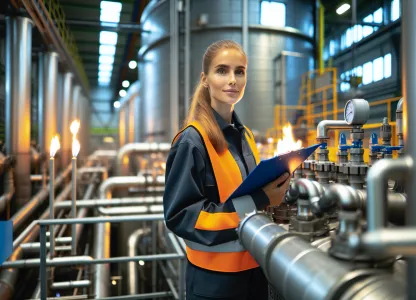
A process technician in heating plants and similar facilities is responsible for operation, monitoring, and optimization of technical processes related to the production and distribution of heat and energy. The work involves controlling machines and systems, analyzing operational data, and performing preventive maintenance to ensure efficiency and safety. The environment is often industrial, with elements of both office work and on-site presence at the facilities, where safety regulations are important to follow.
Read more ->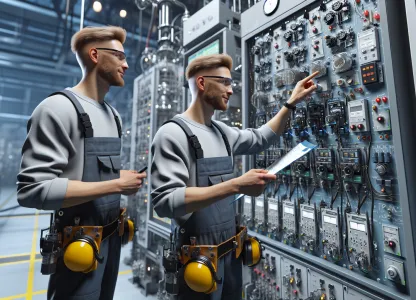
A process technician specializing in control and regulation technology is responsible for monitoring, optimizing, and maintaining automated processes within the industry. Tasks include calibrating and adjusting control systems, troubleshooting technical problems, and ensuring processes meet established quality and safety standards. The environment is often technically demanding, combining office work for system monitoring with work in production environments that require precision and safety awareness.
Read more ->-

Opinion Landscape: Novus February 2026 – Social Democrats Still Largest
Thu, 19 Feb 2026 - 01:35 -

Policy rate remains at 1.75% – Riksbank signals stability
Thu, 29 Jan 2026 - 14:02

A process technician in a wastewater treatment plant plays a key role in ensuring that water purification processes operate efficiently and environmentally sustainably. Tasks include monitoring, controlling, and optimizing treatment processes, troubleshooting technical problems, as well as regular sampling and analysis of water quality. The job also involves maintenance of machinery and facilities, as well as reporting operational data to management and authorities. The work environment is often varied, combining indoor and outdoor work, with shifts and standby duties. Safety regulations and precision are central, as handling chemicals and advanced technology are part of everyday tasks.
Read more ->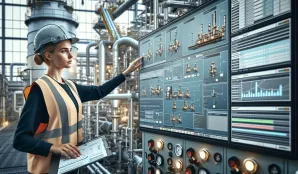
A process operator within a refinery is responsible for monitoring and controlling the technical processes in an oil or chemical refining plant. Tasks include continuously following production parameters, adjusting settings to ensure optimal operation and quality, and quickly identifying and correcting deviations to avoid operational disruptions. The environment is often industrial with shift work, where safety and accuracy are crucial to maintaining a safe and efficient production.
Read more ->
A process operator on an oil rig is responsible for continuously monitoring and controlling the technical processes involved in oil extraction. Tasks include following instrument data, adjusting process parameters, and ensuring equipment functions efficiently and safely. The work environment is often demanding, with shift work in an industrial setting that can be noisy and weather-exposed. Safety and precision are central to the role to prevent accidents and operational stoppages.
Read more ->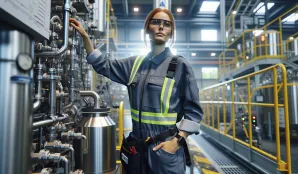
Process supervisors in the chemical industry are responsible for monitoring and controlling production processes in chemical plants. Tasks include tracking production parameters, ensuring quality, and quickly handling deviations to minimize operational disruptions. The work is often conducted in control rooms where digital systems are used to manage processes, but may also involve inspections in the production environment. The environment is typically industrial, with requirements for safety and precision, and the work may include shift work and on-call duties.
Read more ->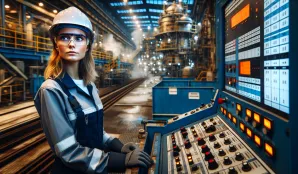
A process operator in a zinc smelting plant is responsible for monitoring and controlling the technical process of zinc extraction and refining. The job involves checking machines and instruments, adjusting process parameters, and quickly identifying deviations or disruptions in production. Safety regulations and precision are central, as the process often involves handling high temperatures and potentially hazardous substances. The work environment is industrial and can be noisy, requiring protective gear and constant attention to quality and safety.
Read more ->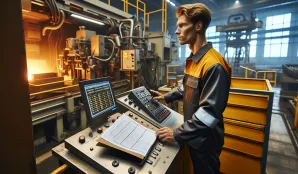
A process operator specializing in heat treatment is responsible for monitoring and controlling processes where materials, usually metals, are subjected to various heat treatments to alter their properties. Tasks include adjusting machines and furnaces, checking temperatures, following production schedules, and ensuring quality standards are met. Process operators often work in industrial environments that can be hot and noisy, which requires good safety awareness and working environment skills. Collaboration with other technicians and operators is common to optimize production and prevent operational disruptions.
Read more ->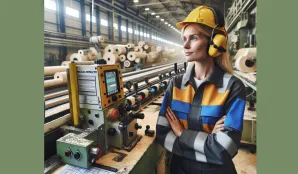
A process operator in the wood fiber industry is responsible for monitoring and controlling production processes where wood fiber pulp is manufactured. The work involves handling machinery and equipment, following production plans, and ensuring that quality and environmental standards are met. The operator often works in shifts and in an industrial environment where safety and precision are key components of the workday.
Read more ->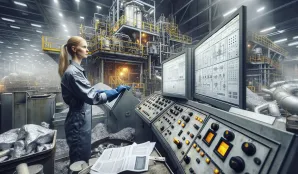
A process operator at a sulfur plant is responsible for monitoring and controlling production processes where sulfur is extracted and treated. Tasks include inspecting machinery and facilities, following safety procedures, and adjusting process parameters to ensure optimal production and quality. The environment is characterized by industrial activity with demands for precision and safety, where operators often work in shifts and collaborate closely with technicians and engineers.
Read more ->