News and articles
- Home
- Articles
Latest posts

A laboratory animal caretaker is responsible for caring for and monitoring animals used in research and development work. Tasks include daily care, feeding, cleaning cages, and environmental enrichment to ensure animal welfare. The caretaker often collaborates with researchers and veterinarians, documents health status, and may participate in basic medical procedures. The work is primarily indoors in laboratory settings or research facilities, with high demands on hygiene, safety, and precision. The profession requires both physical effort and a great responsibility for animal health and ethical handling.
Read more ->
A zoo keeper is responsible for caring for and providing daily supervision to animals of many different species, often focusing on both their well-being and safety. Common tasks include feeding animals, cleaning enclosures and habitats, administering medicines, and monitoring behaviors and health conditions. Contact with animals requires both care and knowledge of species needs, while often also having an educational role towards visitors. The work environment is varied and can involve outdoor work in different weather, physical exertion, and handling both small and large animals.
Read more ->-
Opinion Poll: Demoskop February 2026 – Center increases, S still largest
Fri, 27 Feb 2026 - 09:35 -
Policy rate remains at 1.75% – Riksbank signals stability
Thu, 29 Jan 2026 - 14:02
An animal caretaker at a veterinary clinic is responsible for the daily care of animals present at the clinic, including feeding, cleaning, assisting veterinarians during examinations and treatments. The job also involves administration, sample collection, basic medical procedures, and providing support and information to pet owners. The work environment is often fast-paced and can involve physically and mentally demanding tasks, especially in situations where animals are ill or stressed. Often, the animal caretaker works in a team with veterinarians, veterinary nurses, and other staff to ensure the animals receive the best possible care.
Read more ->
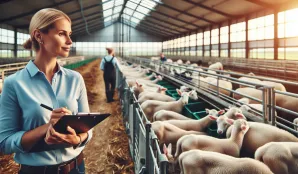
Livestock farmers in other categories are responsible for breeding, caring for, and monitoring animals not covered by the most common production animal groups. Tasks range from daily supervision, feeding, and health checks to documentation and tracking breeding results. The role often involves outdoor work, sometimes in barn environments or on smaller farms, requiring both physical endurance and the ability to handle unexpected situations. The environment can vary greatly depending on the type of animals and the workplace, but common to all is that workdays are often long and physically demanding, especially during periods with many births or disease outbreaks among the animals.
Read more ->
A laboratory animal caretaker specializing in research animals primarily works with caring for animals used in research and laboratory settings. Tasks include daily maintenance, feeding, monitoring health and behavior, and documentation. The caretaker is also responsible for ensuring the environment meets the animals’ needs and complies with animal welfare regulations. The work environment is usually indoors, in controlled, hygienic laboratory facilities, requiring high precision and responsibility.
Read more ->
An animal caretaker in a zoo or circus works with caring for, feeding, and maintaining animals in captivity. Tasks include daily supervision, cleaning enclosures and pens, preparing feed, and observing animal health and behavior. Some tasks also involve training, enrichment, and occasionally basic veterinary care. The work environment is often outdoors and varies greatly depending on the season, weather, and animal species. Physical workload, irregular hours, and close contact with both animals and visitors characterize the profession.
Read more ->
A Djurkonservator works with preparing, preserving, and mounting animals to create lifelike stuffed specimens. Tasks range from handling and treating animal skins to reconstructing details like eyes, noses, and claws, as well as coloring and completing mounts for museums, educational settings, or private collections. The work requires great precision and artistic skill, as the final result should be as naturalistic as possible. The work environment can vary between personal studios, workshops, or museums and often involves working with chemicals, tools, and natural materials. Physical patience and a keen eye for details are important qualities for thriving in this profession.
Read more ->
A district nurse-midwife provides care, advice, and support to women, children, and families within primary care. Tasks include prenatal care, contraceptive counseling, childbirth preparation, and postpartum follow-up. Additionally, health consultations, vaccinations, and health promotion efforts across different life stages are included. The work environment involves close patient contact and collaboration with other healthcare professionals at health centers, child health clinics, and sometimes home healthcare. The role requires both medical expertise and the ability to meet patients with empathy and sensitivity.
Read more ->
A district midwife primarily works within primary care and is responsible for providing support and advice to pregnant women, new parents, and women of various ages. Tasks include maternity health care, contraceptive counseling, gynecological health checks, and childbirth preparation discussions. The work often involves close contact with patients, both individually and in groups, and collaboration with other healthcare professionals. The environment is varied, including clinic work and home visits, which requires flexibility and good communication skills.
Read more ->
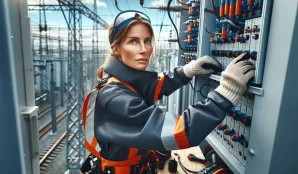
A distribution electrician primarily is responsible for building, maintaining, and repairing electrical distribution networks. Tasks include installation of cables, poles, transformer stations, as well as troubleshooting and fixing power outages. The work is often outdoors, sometimes at high altitudes and in varying weather conditions, which requires both physical endurance and safety awareness. Distribution electricians often work in teams but also need the ability to work independently during emergency interventions. The profession involves standby duty, which can lead to irregular working hours during storms or other disruptions in the power grid.
Read more ->