- Salary statistics
- Exhibition techniques salary
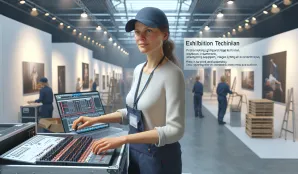
Exhibition techniques salary
Latest available salary statistics are for 2025. Compare average pay, salary range and related job listings.
37 700 - 43 000 SEK / month
Women earn 94% of what men do.
Kultur, media, design
Related tools
Salary progression Exhibition techniques
What does an exhibition technician do? – Tasks and work environment
An exhibition technician is responsible for building, installing, and maintaining exhibitions at museums, galleries, fairs, and other public venues. Tasks include assembling display cases and lighting, handling audio-visual equipment technically, and ensuring that exhibit objects are handled correctly and safely. The work environment varies between workshops, exhibition spaces, and sometimes transportation, with both independent work and collaboration with colleagues and exhibition producers common. Physical work, precision, and attention to detail are central parts of the profession.
Salary development over time
The salary of exhibition technicians has shown steady growth over the past three years. In 2022, the average salary was 35,100 SEK per month, increasing to 38 600 SEK in 2023 and further to 39 700 SEK in 2024. This represents a total increase of approximately 10% over the period, surpassing inflation and reflecting increased demand for technical skills in the culture and events sector. Salary development can also be linked to higher demands for technical specialization and greater responsibility related to digitalization and technical integration in exhibition environments. Gender differences remain, but the trend indicates a slow equalization of these differences.
Exhibition technician salary – complete overview
- Average salary: 39 700 SEK/month
- Lowest salary: 33,600 SEK/month (women), 36,100 SEK/month (men)
- Highest salary: 40,300 SEK/month (women), 43,700 SEK/month (men)
- Hourly wage: 232 SEK/hour
- Gender differences: Women earn 94% of what men do
- Regional differences: Salary variations may occur, but especially in metropolitan areas, salaries are often somewhat higher than average
Education and qualifications
To work as an exhibition technician, a post-secondary education of 1–3 years in technology, design, stage arts, or similar fields is usually required. Practical experience and technical understanding are crucial, and many employers value specialized courses in lighting, sound, or visual technology. Some workplaces offer internal trainee programs or internships that can provide valuable experience and networks.
- Post-secondary education: 1–3 years in technology, design, or stage arts
- Specialized courses: Lighting, sound, and visual technology
- Internships/traineeships: Common in museums and larger institutions
- Prerequisites: Basic technical understanding and experience with tools
- Certifications: Can be advantageous, especially in electrical safety or lifting techniques
Many exhibition technicians have backgrounds in art, carpentry, or technology and combine creative problem-solving with practical craftsmanship – a rare mix that often makes the profession particularly varied and stimulating.
Common benefits and compensations
Exhibition technicians are often offered benefits such as wellness allowances, reduced working hours, and sometimes extra vacation days. Irregular working hours can be compensated with overtime pay, and some employers provide work clothing or opportunities for further training in technology and safety.
Competition and challenges
Competition for positions as an exhibition technician varies depending on the region and labor market demand, but it is generally a profession with a limited number of positions and specialized requirements. Challenges often include quickly adapting to new technical solutions, ensuring that exhibitions are assembled and dismantled in short timeframes, and working under pressure before openings and events. Physical strain and high precision demands can be taxing, while the work environment requires good cooperation and communication among different professional groups. The lack of standardized training pathways also means many learn the profession practically on the job.
Tips for those aspiring to become exhibition technicians
To succeed as an exhibition technician, it is good to be both solution-oriented and precise, as the work often involves finding creative ways to handle technical challenges in varied environments. A high degree of flexibility is required, as working hours and assignments can change rapidly based on exhibition needs. Good teamwork skills are important, as projects are often carried out in teams with technicians and artists. An interest in technology and design facilitates daily problem-solving, and the ability to handle stress is crucial during tight deadlines. Building a strong network and being open to further education in new technical areas provides good opportunities for career development. Finally, practical skills and an eye for detail contribute to delivering high-quality and safe exhibitions.
Key facts about exhibition technicians
- Salary range: 33,600–43,700 SEK/month
- Hourly wage: 232 SEK
- Education level: Post-secondary education of 1–3 years
- Work environment: Varied, often practical and physical
- Available jobs in the profession: 620 (May 2024)
Career paths and future prospects
After three to five years as an exhibition technician, there are opportunities to move into more specialized roles such as technical project manager, supervisor for exhibition production, or expert in lighting and sound technology. Transition to related professions such as stage technology, museum education, or event production also occurs. Forecasts from the Swedish Public Employment Service indicate that there is currently insufficient data for a detailed future outlook for exhibition technicians, but across the entire field of lighting, sound, and stage technicians, about 620 jobs are reported in Sweden. Demand is often driven by project volumes within the culture sector, public investments, and the development of the events industry, making the job market sensitive to economic cycles and societal trends.
Common questions about exhibition technicians
- What does an exhibition technician earn?
- The average salary is 39 700 SEK per month, with a range between 33,600 and 43,700 SEK. - What are the gender differences?
- Women earn 94% of what men do in the profession. - What education is required?
- A post-secondary education of 1–3 years in technology, design, or stage arts is recommended. - Is it difficult to get a job as an exhibition technician?
- There are 620 available jobs in the profession, but competition may vary depending on the region. - What personal qualities are important?
- Accuracy, problem-solving skills, and teamwork are central qualities. - What is the work environment like?
- The work is practical and physical, often in varied environments and sometimes under time pressure. - Are there regional salary differences?
- Yes, especially in metropolitan areas, salaries can be somewhat higher than the average.

Salary distributed by age and sector
| Age | Base salary | Monthly salary | |
|---|---|---|---|
| 25-34 | 34800 kr | 35500 kr | |
| 35-44 | 37300 kr | 38100 kr | |
| 45-54 | 44000 kr | 45100 kr | |
| 55-64 | 43500 kr | 43900 kr | |
| Snitt | 94% | 38900 kr | 39700 kr |
| Age | Base salary | Monthly salary | |
|---|---|---|---|
| 25-34 | 36800 kr | 36800 kr | |
| 35-44 | 100% | 38800 kr | 39000 kr |
| 45-54 | 94% | 40000 kr | 40500 kr |
| 55-64 | 112% | 39800 kr | 40000 kr |
| Snitt | 100% | 39400 kr | 39700 kr |
| Age | Base salary | Monthly salary | |
|---|---|---|---|
| 25-34 | 36800 kr | 36800 kr | |
| 35-44 | 100% | 38800 kr | 39000 kr |
| 45-54 | 94% | 40000 kr | 40500 kr |
| 55-64 | 112% | 39800 kr | 40000 kr |
| Snitt | 100% | 39400 kr | 39700 kr |
| Age | Base salary | Monthly salary | |
|---|---|---|---|
| 25-34 | 34700 kr | 35400 kr | |
| 35-44 | 37300 kr | 38100 kr | |
| 45-54 | 44100 kr | 45300 kr | |
| 55-64 | 43700 kr | 44100 kr | |
| Snitt | 94% | 38900 kr | 39700 kr |
| Age | Base salary | Monthly salary | |
|---|---|---|---|
| 25-34 | 34700 kr | 35400 kr | |
| 35-44 | 37300 kr | 38100 kr | |
| 45-54 | 44100 kr | 45300 kr | |
| 55-64 | 43700 kr | 44100 kr | |
| Snitt | 94% | 38900 kr | 39700 kr |
| Age | Base salary | Monthly salary | |
|---|---|---|---|
| 25-34 | 34600 kr | 35300 kr | |
| 35-44 | 37100 kr | 37800 kr | |
| 45-54 | 44500 kr | 45700 kr | |
| 55-64 | 43500 kr | 43900 kr | |
| Snitt | 94% | 39200 kr | 40000 kr |
| Age | Base salary | Monthly salary | |
|---|---|---|---|
| 35-44 | 100% | 38800 kr | 39000 kr |
| 45-54 | 94% | 40200 kr | 40800 kr |
| 55-64 | 112% | 39300 kr | 39500 kr |
| Snitt | 100% | 39400 kr | 39800 kr |
| Age | Base salary | Monthly salary | |
|---|---|---|---|
| 35-44 | 100% | 38800 kr | 39000 kr |
| 45-54 | 94% | 40200 kr | 40800 kr |
| 55-64 | 112% | 39300 kr | 39500 kr |
| Snitt | 100% | 39400 kr | 39800 kr |
| Age | Base salary | Monthly salary | |
|---|---|---|---|
| 25-34 | 34600 kr | 35300 kr | |
| 35-44 | 37000 kr | 37800 kr | |
| 45-54 | 44700 kr | 45900 kr | |
| 55-64 | 43700 kr | 44200 kr | |
| Snitt | 94% | 39200 kr | 40000 kr |
| Age | Base salary | Monthly salary | |
|---|---|---|---|
| 25-34 | 34600 kr | 35300 kr | |
| 35-44 | 37000 kr | 37800 kr | |
| 45-54 | 44700 kr | 45900 kr | |
| 55-64 | 43700 kr | 44200 kr | |
| Snitt | 94% | 39200 kr | 40000 kr |
| Age | Base salary | Monthly salary | |
|---|---|---|---|
| Snitt | 94% | 37000 kr | 37800 kr |
| Age | Base salary | Monthly salary | |
|---|---|---|---|
| 25-34 | 36900 kr | 36900 kr | |
| 35-44 | 100% | 39000 kr | 39000 kr |
| 45-54 | 94% | 38400 kr | 38400 kr |
| 55-64 | 112% | 44400 kr | 44400 kr |
| Snitt | 100% | 39600 kr | 39600 kr |
| Age | Base salary | Monthly salary | |
|---|---|---|---|
| 25-34 | 36900 kr | 36900 kr | |
| 35-44 | 100% | 39000 kr | 39000 kr |
| 45-54 | 94% | 38400 kr | 38400 kr |
| 55-64 | 112% | 44400 kr | 44400 kr |
| Snitt | 100% | 39600 kr | 39600 kr |
| Age | Base salary | Monthly salary | |
|---|---|---|---|
| Snitt | 94% | 36900 kr | 37700 kr |
| Age | Base salary | Monthly salary | |
|---|---|---|---|
| Snitt | 94% | 36900 kr | 37700 kr |

About the data
All information displayed on this page is based on data from the Swedish Central Bureau of Statistics (SCB), the Swedish Tax Agency and the Swedish employment agency. Learn more about our data and data sources here.
All figures are gross salaries, meaning salaries before tax. The average salary, or mean salary, is calculated by adding up the total salary for all individuals within the profession and dividing it by the number of individuals. For specific job categories, we have also considered various criteria such as experience and education.
Profession Exhibition techniques has the SSYK code 3522, which we use to match against the SCB database to obtain the latest salary statistics.
-

Computing Technician - Audiovisual (AV) & Conference Infrastructure
Lighting, sound and stage technicians
Fri, 10 Jul 2026 - 22:27 -
AV Technician Wanted at Svensk Kulturfilm Konferensteknik
Lighting, sound and stage technicians
Thu, 9 Jul 2026 - 02:08 -

Technician for Audio & Video Team in Linköping
Lighting, sound and stage technicians
Thu, 9 Jul 2026 - 01:54 -

Exhibition Technician at Östergötland Museum
Lighting, sound and stage technicians
Fri, 3 Jul 2026 - 22:35 -

Stage Technician at Astrid Lindgren's World
Lighting, sound and stage technicians
Fri, 3 Jul 2026 - 01:52
Compare salary, work tasks and job outlook in adjacent occupations to find roles with similar skills or pay levels.
-

Average salary: 41 986 SEK/month • Kultur, media, design
Choreographers and dancers
Compare with Exhibition techniques
Tue, 14 Jul 2026 - 21:17 -

Accompaniment, popular music salary
Average salary: 47 400 SEK/month • Kultur, media, design
Musicians, singers and composers
Compare with Exhibition techniques
Tue, 14 Jul 2026 - 13:06 -

Average salary: 47 400 SEK/month • Kultur, media, design
Musicians, singers and composers
Compare with Exhibition techniques
Tue, 14 Jul 2026 - 16:17 -

Interior consultant, other salary
Average salary: 39 900 SEK/month • Kultur, media, design
Interior designers, decorators and scenographers etc.
Compare with Exhibition techniques
Tue, 14 Jul 2026 - 20:19 -

Average salary: 41 400 SEK/month • Kultur, media, design
Museum curators etc.
Compare with Exhibition techniques
Tue, 14 Jul 2026 - 17:55 -

Average salary: 41 986 SEK/month • Kultur, media, design
Choreographers and dancers
Compare with Exhibition techniques
Tue, 14 Jul 2026 - 21:18


