- Salary statistics
- Tree caretaker salary
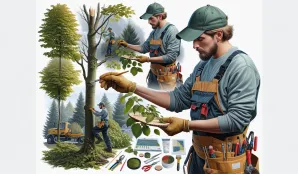
Tree caretaker salary
Latest available salary statistics are for 2025. Compare average pay, salary range and related job listings.
28 200 - 38 000 SEK / month
Women earn 97% of what men do.
Naturbruk
Related tools
Salary progression Tree caretaker
What does a tree care specialist do? – Tasks and work environment
A tree care specialist works with planting, pruning, maintaining, and sometimes felling trees in various environments, from parks and gardens to urban areas and private properties. The job often involves working at heights, such as climbing or from cherry pickers, and requires a good understanding of tree biology and ecology. The work environment is diverse and can include solo work and teamwork, as well as varying weather conditions. Tree care specialists use specialized tools and machinery, and the work can be physically demanding with high safety and precision requirements.
Salary development over time
The salary development for tree care specialists has been relatively stable over the past three years with a slight upward trend. In 2022, the average salary was 29,100 SEK per month. In 2023, it increased to 30 800 SEK, which represents an increase of about 4.8%. In 2024, the average salary reached 32 000 SEK, a marginal increase of 1% compared to the previous year. This trend reflects ongoing demand for professional skills, but also the competition within the gardening and landscaping sector, where salaries are affected by seasonal variations and regional differences. The modest salary increase can partly be explained by a national surplus of labor and unchanged demand, according to the Employment Service's forecasts.
Tree care specialist salary – comprehensive overview
- Average salary: 32 000 SEK/month
- Lowest salary: 26,700 SEK/month (female, private sector employee)
- Highest salary: 34,600 SEK/month (female, municipal sector)
- Hourly wage: 185 SEK/hour (average for hourly workers)
- Gender differences: Women earn 31 300 SEK, men 32 300 SEK (women 97% of men's salary)
- Regional differences: Data on variations are lacking, but wages can be influenced by the labor market and employers
Education and qualifications
The path to becoming a tree care specialist often involves high school education in horticulture or natural resource management, but adult education and specialized courses are also common. To work professionally, both theoretical knowledge of trees and practical experience in pruning, planting, and equipment handling are required. Certifications in tree climbing and chainsaw operation are often advantageous and sometimes mandatory for employers.
- High school education: Natural resource management – horticulture (3 years)
- Adult education: Gardening training with a focus on tree care (1–2 years)
- Certificates: Chainsaw license, climbing certification, and ESA trees
- Practical experience: Through internships or trainee programs
- Courses: Pruning, tree identification, work environment, and safety
Many tree care specialists develop a deep understanding of both ecology and urban environments, as the work often involves balancing tree health with human safety and comfort. The profession offers unique insights into the importance of nature in urban settings and the opportunity to influence the city's greenery in the long term.
Common benefits and compensations
Tree care specialists are often offered benefits such as wellness allowances, work clothing, protective gear, and opportunities for further education. Many employers also provide insurance, extra vacation days, and sometimes access to company vehicles or transport allowances for work at different locations. Collective agreements are common and provide security regarding wages, overtime, and compensation for inconvenient working hours.
Competition and challenges
The competition within the profession of tree care specialists is considered high, with a national surplus of labor according to the latest forecast from the Employment Service. Despite approximately 360 job openings in the sector, job opportunities are relatively limited and expected to remain unchanged over the next five years. Seasonal variations pose a challenge, with increased demand during the growing season and decreased activity in winter. The profession also demands high physical fitness, safety awareness, and the ability to work at heights, which can limit the pool of qualified personnel.
Tips for aspiring tree care specialists
To succeed as a tree care specialist, it’s good to combine an interest in nature with practical skills and good physical condition. Precision is crucial, especially when pruning and working at heights, where safety must never be compromised. Flexibility and stress resistance are helpful during busy periods or in rapidly changing weather. Social skills are an asset, as the work often involves teamwork and contact with clients or the public. Finally, a willingness to continuously develop skills is important, as new techniques and safety requirements demand updated knowledge and certifications.
Key facts about tree care specialists
- Salary range: 26,700–34,600 SEK/month
- Education pathway: High school or adult education with certifications
- Work environment: Outdoors, often at heights and with machinery
- Demand: Limited job opportunities, national surplus
- Gender differences: Women earn 97% of what men do
Career paths and future prospects
After three to five years in the profession, many tree care specialists have opportunities to specialize in advanced tree pruning, supervision, or consultation on tree care and urban greenery. Some start their own businesses or work as arborists with more advanced tasks. According to the Employment Service, the future outlook for the sector of gardening and landscaping professionals is unchanged, with a labor surplus and limited job opportunities nationwide. Regional differences may exist, especially in metropolitan areas where demand for tree care is higher. Developments in environmental and sustainability areas can also create new opportunities for tree care specialists wishing to broaden their expertise.
Frequently asked questions about tree care specialists
- What is the average salary of a tree care specialist?
- A tree care specialist earns an average of 32 000 SEK per month. - Are there significant salary differences between men and women?
- Yes, women earn 97% of what men do, with an average salary of 31 300 SEK compared to men's 32 300 SEK. - What are the requirements to work as a tree care specialist?
- High school education in natural resource management or equivalent adult education, along with certifications for chainsaw operation and climbing, are common. - What are the future prospects for the profession?
- Job opportunities are limited nationwide and competition is high, with a surplus of labor according to the Employment Service. - What are the occupational health and safety risks?
- Working at heights, heavy lifting, and machinery use pose risks, requiring safety training and equipment. - Can I further my education within the profession?
- Yes, opportunities exist to train as an arborist, supervisor, or consultant in tree care and green infrastructure. - What is the hourly wage for a tree care specialist?
- The average for hourly workers is 185 SEK per hour.

Salary distributed by age and sector
| Age | Base salary | Monthly salary | |
|---|---|---|---|
| 18-24 | 107% | 27500 kr | 27900 kr |
| 25-34 | 99% | 30200 kr | 30600 kr |
| 35-44 | 104% | 31100 kr | 31400 kr |
| 45-54 | 94% | 34400 kr | 34800 kr |
| 55-64 | 97% | 32100 kr | 32400 kr |
| 65-68 | 30300 kr | 30600 kr | |
| Snitt | 97% | 31700 kr | 32000 kr |
| Age | Base salary | Monthly salary | |
|---|---|---|---|
| 18-24 | 101% | 26600 kr | 28400 kr |
| 25-34 | 99% | 29800 kr | 30800 kr |
| 35-44 | 100% | 31400 kr | 31900 kr |
| 45-54 | 100% | 31400 kr | 32100 kr |
| 55-64 | 100% | 31500 kr | 32100 kr |
| 65-68 | 100% | 32100 kr | 32900 kr |
| Snitt | 99% | 31000 kr | 31700 kr |
| Age | Base salary | Monthly salary | |
|---|---|---|---|
| 25-34 | 108% | 29400 kr | 29400 kr |
| 35-44 | 103% | 30000 kr | 30100 kr |
| 45-54 | 100% | 31300 kr | 31600 kr |
| 55-64 | 92% | 30500 kr | 30900 kr |
| 65-68 | 35300 kr | 35300 kr | |
| Snitt | 98% | 30700 kr | 30900 kr |
| Age | Base salary | Monthly salary | |
|---|---|---|---|
| 18-24 | 101% | 26600 kr | 28400 kr |
| 25-34 | 99% | 29800 kr | 30800 kr |
| 35-44 | 100% | 31300 kr | 31900 kr |
| 45-54 | 100% | 31400 kr | 32100 kr |
| 55-64 | 100% | 31400 kr | 32000 kr |
| 65-68 | 99% | 32000 kr | 32900 kr |
| Snitt | 99% | 30900 kr | 31700 kr |
| Age | Base salary | Monthly salary | |
|---|---|---|---|
| 25-34 | 103% | 30300 kr | 30600 kr |
| 35-44 | 98% | 33500 kr | 33600 kr |
| 45-54 | 96% | 33200 kr | 33300 kr |
| 55-64 | 120% | 35100 kr | 35400 kr |
| Snitt | 103% | 33300 kr | 33500 kr |
| Age | Base salary | Monthly salary | |
|---|---|---|---|
| 18-24 | 27600 kr | 27800 kr | |
| 25-34 | 99% | 30300 kr | 30500 kr |
| 35-44 | 105% | 31100 kr | 31300 kr |
| 45-54 | 93% | 35200 kr | 35500 kr |
| 55-64 | 96% | 32200 kr | 32500 kr |
| Snitt | 96% | 31800 kr | 32100 kr |
| Age | Base salary | Monthly salary | |
|---|---|---|---|
| 18-24 | 27600 kr | 27800 kr | |
| 25-34 | 99% | 30300 kr | 30500 kr |
| 35-44 | 105% | 31100 kr | 31300 kr |
| 45-54 | 93% | 35200 kr | 35500 kr |
| 55-64 | 96% | 32200 kr | 32500 kr |
| Snitt | 96% | 31800 kr | 32100 kr |
| Age | Base salary | Monthly salary | |
|---|---|---|---|
| 18-24 | 107% | 26900 kr | 27300 kr |
| 25-34 | 99% | 30200 kr | 30600 kr |
| 35-44 | 104% | 30700 kr | 31100 kr |
| 45-54 | 94% | 35000 kr | 35400 kr |
| 55-64 | 97% | 32300 kr | 32600 kr |
| 65-68 | 32900 kr | 33300 kr | |
| Snitt | 97% | 31900 kr | 32300 kr |
| Age | Base salary | Monthly salary | |
|---|---|---|---|
| 18-24 | 101% | 26800 kr | 28300 kr |
| 25-34 | 99% | 29800 kr | 30800 kr |
| 35-44 | 100% | 31300 kr | 32000 kr |
| 45-54 | 100% | 31200 kr | 32100 kr |
| 55-64 | 100% | 31400 kr | 32100 kr |
| 65-68 | 100% | 32000 kr | 33000 kr |
| Snitt | 99% | 30900 kr | 31800 kr |
| Age | Base salary | Monthly salary | |
|---|---|---|---|
| 25-34 | 108% | 27800 kr | 27800 kr |
| 35-44 | 103% | 29400 kr | 29500 kr |
| 45-54 | 100% | 31500 kr | 31500 kr |
| 55-64 | 92% | 32500 kr | 32600 kr |
| Snitt | 98% | 31200 kr | 31200 kr |
| Age | Base salary | Monthly salary | |
|---|---|---|---|
| 18-24 | 101% | 26800 kr | 28300 kr |
| 25-34 | 99% | 29800 kr | 30900 kr |
| 35-44 | 100% | 31200 kr | 32000 kr |
| 45-54 | 100% | 31200 kr | 32100 kr |
| 55-64 | 100% | 31300 kr | 32100 kr |
| 65-68 | 99% | 31900 kr | 32900 kr |
| Snitt | 99% | 30900 kr | 31800 kr |
| Age | Base salary | Monthly salary | |
|---|---|---|---|
| 25-34 | 103% | 29500 kr | 30100 kr |
| 35-44 | 98% | 33700 kr | 34000 kr |
| 45-54 | 96% | 33700 kr | 33900 kr |
| 55-64 | 120% | 31500 kr | 32100 kr |
| Snitt | 103% | 32700 kr | 33000 kr |
| Age | Base salary | Monthly salary | |
|---|---|---|---|
| 18-24 | 26900 kr | 27100 kr | |
| 25-34 | 99% | 30300 kr | 30600 kr |
| 35-44 | 105% | 30600 kr | 30800 kr |
| 45-54 | 93% | 35900 kr | 36200 kr |
| 55-64 | 96% | 32600 kr | 32800 kr |
| Snitt | 96% | 32100 kr | 32400 kr |
| Age | Base salary | Monthly salary | |
|---|---|---|---|
| 18-24 | 26900 kr | 27100 kr | |
| 25-34 | 99% | 30300 kr | 30600 kr |
| 35-44 | 105% | 30600 kr | 30800 kr |
| 45-54 | 93% | 35900 kr | 36200 kr |
| 55-64 | 96% | 32600 kr | 32800 kr |
| Snitt | 96% | 32100 kr | 32400 kr |
| Age | Base salary | Monthly salary | |
|---|---|---|---|
| 18-24 | 107% | 28700 kr | 29100 kr |
| 25-34 | 99% | 30100 kr | 30400 kr |
| 35-44 | 104% | 31900 kr | 32200 kr |
| 45-54 | 94% | 32900 kr | 33200 kr |
| 55-64 | 97% | 31400 kr | 31600 kr |
| Snitt | 97% | 31000 kr | 31300 kr |
| Age | Base salary | Monthly salary | |
|---|---|---|---|
| 18-24 | 101% | 26300 kr | 28600 kr |
| 25-34 | 99% | 29800 kr | 30700 kr |
| 35-44 | 100% | 31500 kr | 31800 kr |
| 45-54 | 100% | 31800 kr | 32100 kr |
| 55-64 | 100% | 31800 kr | 32100 kr |
| 65-68 | 100% | 32600 kr | 32800 kr |
| Snitt | 99% | 31100 kr | 31600 kr |
| Age | Base salary | Monthly salary | |
|---|---|---|---|
| 25-34 | 108% | 30000 kr | 30000 kr |
| 35-44 | 103% | 30500 kr | 30500 kr |
| 45-54 | 100% | 31100 kr | 31700 kr |
| 55-64 | 92% | 29200 kr | 29800 kr |
| Snitt | 98% | 30300 kr | 30600 kr |
| Age | Base salary | Monthly salary | |
|---|---|---|---|
| 18-24 | 101% | 26300 kr | 28600 kr |
| 25-34 | 99% | 29800 kr | 30700 kr |
| 35-44 | 100% | 31400 kr | 31800 kr |
| 45-54 | 100% | 31800 kr | 32100 kr |
| 55-64 | 100% | 31700 kr | 32000 kr |
| 65-68 | 99% | 32400 kr | 32700 kr |
| Snitt | 99% | 31000 kr | 31500 kr |
| Age | Base salary | Monthly salary | |
|---|---|---|---|
| 25-34 | 103% | 31000 kr | 31100 kr |
| 35-44 | 98% | 33300 kr | 33300 kr |
| 45-54 | 96% | 32600 kr | 32700 kr |
| 55-64 | 120% | 38600 kr | 38600 kr |
| Snitt | 103% | 33900 kr | 34000 kr |
| Age | Base salary | Monthly salary | |
|---|---|---|---|
| 25-34 | 99% | 30200 kr | 30300 kr |
| 35-44 | 105% | 32100 kr | 32300 kr |
| 45-54 | 93% | 33200 kr | 33500 kr |
| 55-64 | 96% | 31300 kr | 31500 kr |
| Snitt | 96% | 31000 kr | 31200 kr |
| Age | Base salary | Monthly salary | |
|---|---|---|---|
| 25-34 | 99% | 30200 kr | 30300 kr |
| 35-44 | 105% | 32100 kr | 32300 kr |
| 45-54 | 93% | 33200 kr | 33500 kr |
| 55-64 | 96% | 31300 kr | 31500 kr |
| Snitt | 96% | 31000 kr | 31200 kr |

About the data
All information displayed on this page is based on data from the Swedish Central Bureau of Statistics (SCB), the Swedish Tax Agency and the Swedish employment agency. Learn more about our data and data sources here.
All figures are gross salaries, meaning salaries before tax. The average salary, or mean salary, is calculated by adding up the total salary for all individuals within the profession and dividing it by the number of individuals. For specific job categories, we have also considered various criteria such as experience and education.
Profession Tree caretaker has the SSYK code 6113, which we use to match against the SCB database to obtain the latest salary statistics.



Compare salary, work tasks and job outlook in adjacent occupations to find roles with similar skills or pay levels.
-

Average salary: 44 800 SEK/month • Naturbruk
Specialists and advisors in forestry
Compare with Tree caretaker
Tue, 14 Jul 2026 - 13:06 -

Machine operator, agriculture salary
Average salary: 33 500 SEK/month • Naturbruk
Operators of agricultural and forestry machinery
Compare with Tree caretaker
Tue, 14 Jul 2026 - 13:06 -

Agricultural inspector, livestock breeding salary
Average salary: 44 900 SEK/month • Naturbruk
Specialists and advisors in agriculture etc.
Compare with Tree caretaker
Tue, 14 Jul 2026 - 13:08 -
Average salary: 44 800 SEK/month • Naturbruk
Specialists and advisors in forestry
Compare with Tree caretaker
Tue, 14 Jul 2026 - 13:56 -

Tenant, plant cultivation salary
Average salary: 31 752 SEK/month • Naturbruk
Growers of agricultural crops, fruit and berries
Compare with Tree caretaker
Tue, 14 Jul 2026 - 10:58 -

Clearing worker, forest salary
Average salary: 28 200 SEK/month • Naturbruk
Berry pickers and planters etc.
Compare with Tree caretaker
Tue, 14 Jul 2026 - 08:19


