- Salary statistics
- Small animal caretaker salary
Small animal caretaker salary
Latest available salary statistics are for 2025. Compare average pay, salary range and related job listings.
30 046 - 29 784 SEK / month
Naturbruk
Related tools
Salary progression Small animal caretaker
What does a Small Animal Caretaker do? – Tasks and Work Environment
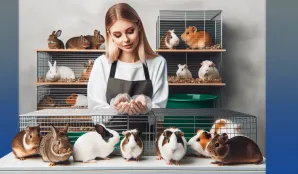
A Small Animal Caretaker primarily works with caring for pets such as rabbits, guinea pigs, hamsters, rats, and sometimes smaller birds and reptiles. Tasks include daily care such as feeding, cleaning cages and enclosures, monitoring animal health, as well as socialization and stimulation of the animals. The role is often found at veterinary clinics, animal parks, pet stores, boarding kennels, or in breeding operations. The work environment can vary from indoor settings with controlled temperatures to outdoor environments depending on the workplace and animal needs. Physical activity and good hygiene are natural parts of the job, along with close contact with both animals and pet owners.
Salary Development Over Time
The salary for Small Animal Caretakers has shown a slight upward trend over the past three years. In 2022, the average salary was 27874 SEK per month, followed by a small increase to 28 218 SEK in 2023. The most recent average salary in 2024 is 29 784 SEK per month. This represents a total increase of approximately 1.2% over the three-year period. The development reflects stable but slow growth, which may be due to limited salary room in the profession and its prevalence mainly in the public sector and small private businesses with narrow margins. The demand for Small Animal Caretakers remains relatively constant, contributing to the lack of significant salary increases. Overall, the salary level is relatively stable with small but positive changes year over year.
Small Animal Caretaker Salary – Complete Overview
- Average Salary: 29 784 SEK/month
- Lowest/Highest Salary: Data unavailable, but the average provides a good indication
- Hourly Wage: 169 SEK/hour (based on 166 hours/month)
- Gender Differences: Salary data for men and women specifically is unavailable
- Regional Differences: Specific data is unavailable
Education and Qualifications
To work as a Small Animal Caretaker, a vocational high school education in animal care, often with a focus on pets or similar, is usually required. Practical experience is highly valued, and many employers view additional training or certifications in animal handling positively. Some workplaces may also offer internal training and internships, facilitating entry into the profession. Basic knowledge in animal care, hygiene, and behavior science is central to the role.
- High School Education: Agriculture program with a focus on animals (3 years)
- Certifications: Courses in animal handling and animal welfare
- Internships: Work-based learning during training
- Prerequisites: Basic education and interest in animals
- Tips for choosing: Select education with practical components and internship opportunities
Small Animal Caretakers often encounter animals with different temperaments and needs, making each day unique. The profession requires flexibility and quick thinking in unexpected situations, offering the opportunity to develop a deep understanding of animal behaviors and welfare.
Common Benefits and Compensation
Small Animal Caretakers are often offered benefits such as wellness allowances, work clothing, and sometimes subsidized lunches or staff discounts on animal products. Many workplaces also provide training opportunities and skill development within animal care. Compensation for unsociable hours may be provided, especially at veterinary clinics or boarding kennels with on-call duties.
Competition and Challenges
The job market for Small Animal Caretakers is characterized by relatively high competition, especially in metropolitan areas where many seek roles involving daily contact with animals. One of the biggest challenges is that salary levels are relatively low compared to other animal-related professions, while the tasks can be physically and mentally demanding. Limited access to permanent positions and a high proportion of part-time or hourly contracts can also affect working conditions. Staying updated on animal welfare legislation and new research in animal care is an additional challenge requiring continuous professional development.
Tips for Aspiring Small Animal Caretakers
To succeed as a Small Animal Caretaker, it’s good to combine a strong interest in animals with patience and a sense of responsibility. Being thorough and observant is important, as it may be necessary to quickly identify if an animal is unwell, and good teamwork skills facilitate collaboration. Volunteering or internships provide valuable experience and increase employability. A continuous desire to learn about different species and their needs is a strength, as is the ability to handle stressful or unforeseen situations. Social skills and communication abilities are also crucial when interacting with pet owners and colleagues. Finally, being flexible and open to new tasks is beneficial, as the profession often involves a variety of responsibilities.
Key Facts About Small Animal Caretakers
- Average Salary: 29 784 SEK/month
- Education Level: High school vocational training (3 years)
- Work Environment: Practical, often indoors at veterinary clinics, boarding kennels, or pet stores
- Demand: Approximately 360 job openings within the profession
- Hourly Wage: 169 SEK/hour
Career Paths and Future Outlook
After three to five years as a Small Animal Caretaker, there are opportunities to advance to more specialized roles such as animal caregivers responsible for specific species, supervisors at boarding facilities, or to further educate oneself to level 2 animal caregiver for work at veterinary hospitals. Some also choose to start their own small animal care or training business. According to the Swedish Public Employment Service, the future outlook is stable, with a continuous need for Small Animal Caretakers as demand for qualified animal care increases. However, the profession is competitive, and staying updated and broadening skills are important for career development.
Frequently Asked Questions about Small Animal Caretakers
- What does a Small Animal Caretaker earn?
- A Small Animal Caretaker has an average salary of 29 784 SEK per month. - What education is required to become a Small Animal Caretaker?
- The most common is a vocational high school education in animal care with a focus on pets. - What is the job market like for Small Animal Caretakers?
- Demand is stable and there are approximately 360 job openings within the profession. - Where can a Small Animal Caretaker work?
- Small Animal Caretakers work at veterinary clinics, boarding kennels, pet stores, and sometimes in breeding operations. - What qualities are important as a Small Animal Caretaker?
- Patience, accuracy, responsibility, and good teamwork skills are important qualities. - Are there opportunities for advancement within the profession?
- Yes, for example to supervisory roles or through further training in animal care. - What common benefits are offered?
- Wellness allowances, work clothing, and sometimes staff discounts or training opportunities.

Salary distributed by age and sector

About the data
All information displayed on this page is based on data from the Swedish Central Bureau of Statistics (SCB), the Swedish Tax Agency and the Swedish employment agency. Learn more about our data and data sources here.
All figures are gross salaries, meaning salaries before tax. The average salary, or mean salary, is calculated by adding up the total salary for all individuals within the profession and dividing it by the number of individuals. For specific job categories, we have also considered various criteria such as experience and education.
Profession Small animal caretaker has the SSYK code 6122, which we use to match against the SCB database to obtain the latest salary statistics.
-

Seeking Passionate Dog Groomer – Flexible Part-Time Role
Breeders and caretakers of pets
Mon, 13 Jul 2026 - 20:36 -

Breeding Assistant for the Swedish Armed Forces' Dog Service Unit
Breeders and caretakers of pets
Mon, 6 Jul 2026 - 17:57 -
Temporary Working Dog Keeper at the Swedish Armed Forces' Working Dog Unit in Märsta
Breeders and caretakers of pets
Fri, 3 Jul 2026 - 20:44 -
Dog Caretaker for the Swedish Armed Forces Canine Service Unit in Märsta
Breeders and caretakers of pets
Fri, 3 Jul 2026 - 20:42 -
Working Dog Attendant at the Swedish Armed Forces' Working Dog Unit (Fixed-term)
Breeders and caretakers of pets
Fri, 3 Jul 2026 - 20:40
Compare salary, work tasks and job outlook in adjacent occupations to find roles with similar skills or pay levels.
-

Farmer, mixed plant species salary
Average salary: 31 752 SEK/month • Naturbruk
Growers of agricultural crops, fruit and berries
Compare with Small animal caretaker
Mon, 13 Jul 2026 - 15:41 -

Average salary: 29 784 SEK/month • Naturbruk
Breeders and caretakers of pets
Compare with Small animal caretaker
Mon, 13 Jul 2026 - 18:43 -

Average salary: 29 400 SEK/month • Naturbruk
Breeders and caretakers of farm animals
Compare with Small animal caretaker
Tue, 14 Jul 2026 - 07:13 -

Tenant, breeding, agricultural pets salary
Average salary: 29 400 SEK/month • Naturbruk
Breeders and caretakers of farm animals
Compare with Small animal caretaker
Mon, 13 Jul 2026 - 09:58 -

Average salary: 29 784 SEK/month • Naturbruk
Breeders and caretakers of pets
Compare with Small animal caretaker
Tue, 14 Jul 2026 - 07:11 -

Operations manager, agriculture, beekeepers and screen growers salary
Average salary: 30 000 SEK/month • Naturbruk
Other animal breeders and animal caretakers
Compare with Small animal caretaker
Tue, 14 Jul 2026 - 07:16


