- Salary statistics
- Plumber salary
Plumber salary
Latest available salary statistics are for 2025. Compare average pay, salary range and related job listings.
39 500 - 40 800 SEK / month
Women earn 99% of what men do.
Industriell tillverkning
Related tools
Salary progression Plumber
What does a pipefitter do? – Tasks and work environment
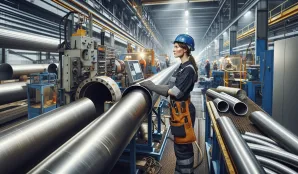
A pipefitter primarily works with installing, running, and connecting pipes in industrial facilities, workshops, or construction projects, often within the steel and metal industry. Tasks may include both assembly and maintenance of piping systems for various media, such as water, gas, or air. The work is usually performed in teams and requires precision, technical knowledge, and the ability to work according to drawings and instructions. The work environment is often industrial, meaning work may occur at heights, in confined spaces, or under varying temperature conditions. Protective equipment is regularly used to minimize risks, and workdays can be physically and mentally demanding.
Salary development over time
The salary for a pipefitter has shown a clear increase over the past three years. In 2022, the average salary was 36,300 SEK per month. In 2023, it increased to 39 800 SEK, representing a rise of about 1.7%. Between 2023 and 2024, the salary further rose to 40 100 SEK, corresponding to an increase of nearly 7.9%. This stronger increase in the past year can partly be explained by increased demand for skills in the industry and general wage adjustments in the sector. The wage trend reflects a high valuation of technical knowledge and experience, while the job market for pipefitters remains stable due to ongoing industrial needs.
Pipefitter salary – comprehensive overview
- Average salary: 40 100 SEK/month
- Lowest salary: 38,100 SEK/month (women), 38,200 SEK/month (men)
- Highest salary: 41,000 SEK/month (women), 40,400 SEK/month (men)
- Hourly wage: 239 SEK/hour
- Gender differences: Women earn 99% of what men do (39 700 SEK vs 39900 SEK)
- Regional differences: The highest salaries are found within the regional sector
Education and qualifications
To work as a pipefitter, a high school education with a focus on industry, technology, or construction is generally required, often supplemented with practical training or an apprenticeship period. Some employers also require certifications, especially when working in more complex industrial environments. Practical experience and technical understanding are crucial, and many pipefitters acquire these skills through both education and supervised work.
- High school education: Industrial or technical programs, typically 3 years
- Certifications: Special certificates for welding or working with pressurized systems
- Practical training: Apprenticeship or industrial internship strongly recommended
- Prerequisites: Basic mathematics and technical understanding
- Further education: Opportunities for courses in new technology or specialized piping systems
Many pipefitters develop a deep understanding of complex industrial processes over time and become key persons in renovations and new installations. Technological developments in automated systems mean that the profession is constantly evolving, opening up new specializations and challenges.
Common benefits and compensations
Pipefitters are often offered benefits such as overtime pay for unsociable hours, overtime compensation, and sometimes bonuses for larger projects. Collective pension schemes and insurance are standard, and wellness allowances as well as work clothing are usually included. In some cases, further training or certification opportunities are provided at the employer's expense.
Competition and challenges
The competition for jobs as a pipefitter varies depending on region and economic conditions. Changes in industrial production processes and increased automation place higher demands on technical skills and flexibility. Physical strain, safety requirements, and shift work are common challenges. Since the profession is relatively narrow, continuous further education is important to maintain employability. Limited data makes it difficult to predict exact demand, but the number of available positions remains high.
Tips for those wanting to become a pipefitter
To succeed as a pipefitter, it is good to combine technical interest with endurance and precision. Being solution-oriented helps when assembling or troubleshooting complex piping systems, and good teamwork skills are valuable since work often takes place in teams. It is wise to seek internships within the industry during education to build experience and networks. Physical strength and good condition are beneficial for heavy lifting and working in challenging environments, while the ability to read drawings and follow instructions reduces the risk of errors. Being proactive and responsible for your own skills development can open doors to more advanced tasks or specialist roles over time.
Key facts about Pipefitters
- Salary range: 38,100–41,000 SEK/month
- Average salary: 40 100 SEK/month
- Education level: High school education, often with practical training
- Work environment: Industrial, often physically demanding
- Number of job openings (profession): 1,437
Career paths and future prospects
After 3–5 years in the profession, a pipefitter can advance to team leader, specialist in specific piping systems, or project manager for larger industrial projects. There are also opportunities for further training in welding, automation, or machinery maintenance. According to forecasts from the Employment Service, it is difficult to give an exact outlook for the future of pipefitters, but the high number of available jobs indicates continued stable demand. Technological development and new industrial processes may create new roles, especially for those investing in further education and specialization.
Frequently asked questions about Pipefitters
- What does a pipefitter earn?
- A pipefitter has an average salary of 40 100 SEK per month. - What is the salary range for a pipefitter?
- The salary range is between 38,100 SEK and 41,000 SEK per month. - Are there significant differences between men's and women's salaries?
- Women earn 99% of what men do within the profession. - What education is required to become a pipefitter?
- High school education in industry or technology and practical training are recommended. - What is the job market like for pipefitters?
- There are many available jobs in the profession, but no precise forecast can be given. - What is the typical hourly wage for a pipefitter?
- The hourly wage is approximately 239 SEK for hourly workers. - What career paths are available for pipefitters?
- Team leader, specialist roles, or further training in welding and automation are possible paths.

Salary distributed by age and sector
| Age | Base salary | Monthly salary | |
|---|---|---|---|
| 18-24 | 102% | 31800 kr | 37200 kr |
| 25-34 | 99% | 34500 kr | 39500 kr |
| 35-44 | 100% | 35700 kr | 40300 kr |
| 45-54 | 97% | 36500 kr | 41000 kr |
| 55-64 | 98% | 36600 kr | 40800 kr |
| Snitt | 99% | 35500 kr | 40100 kr |
| Age | Base salary | Monthly salary | |
|---|---|---|---|
| 18-24 | 102% | 31800 kr | 37200 kr |
| 25-34 | 99% | 34500 kr | 39500 kr |
| 35-44 | 100% | 35700 kr | 40300 kr |
| 45-54 | 97% | 36500 kr | 41000 kr |
| 55-64 | 98% | 36600 kr | 40800 kr |
| Snitt | 99% | 35500 kr | 40100 kr |
| Age | Base salary | Monthly salary | |
|---|---|---|---|
| 18-24 | 102% | 31800 kr | 37200 kr |
| 25-34 | 99% | 34500 kr | 39500 kr |
| 35-44 | 100% | 35700 kr | 40300 kr |
| 45-54 | 97% | 36500 kr | 41000 kr |
| 55-64 | 98% | 36600 kr | 40800 kr |
| Snitt | 99% | 35500 kr | 40100 kr |
| Age | Base salary | Monthly salary | |
|---|---|---|---|
| 18-24 | 102% | 31700 kr | 37000 kr |
| 25-34 | 99% | 34500 kr | 39500 kr |
| 35-44 | 100% | 35800 kr | 40300 kr |
| 45-54 | 97% | 36600 kr | 41200 kr |
| 55-64 | 98% | 36700 kr | 40900 kr |
| Snitt | 99% | 35600 kr | 40200 kr |
| Age | Base salary | Monthly salary | |
|---|---|---|---|
| 18-24 | 102% | 31700 kr | 37000 kr |
| 25-34 | 99% | 34500 kr | 39500 kr |
| 35-44 | 100% | 35800 kr | 40300 kr |
| 45-54 | 97% | 36600 kr | 41200 kr |
| 55-64 | 98% | 36700 kr | 40900 kr |
| Snitt | 99% | 35600 kr | 40200 kr |
| Age | Base salary | Monthly salary | |
|---|---|---|---|
| 18-24 | 102% | 31700 kr | 37000 kr |
| 25-34 | 99% | 34500 kr | 39500 kr |
| 35-44 | 100% | 35800 kr | 40300 kr |
| 45-54 | 97% | 36600 kr | 41200 kr |
| 55-64 | 98% | 36700 kr | 40900 kr |
| Snitt | 99% | 35600 kr | 40200 kr |
| Age | Base salary | Monthly salary | |
|---|---|---|---|
| 18-24 | 102% | 31900 kr | 37900 kr |
| 25-34 | 99% | 34700 kr | 39300 kr |
| 35-44 | 100% | 35400 kr | 40300 kr |
| 45-54 | 97% | 35700 kr | 39800 kr |
| 55-64 | 98% | 36000 kr | 40000 kr |
| Snitt | 99% | 35000 kr | 39700 kr |
| Age | Base salary | Monthly salary | |
|---|---|---|---|
| 18-24 | 102% | 31900 kr | 37900 kr |
| 25-34 | 99% | 34700 kr | 39300 kr |
| 35-44 | 100% | 35400 kr | 40300 kr |
| 45-54 | 97% | 35700 kr | 39800 kr |
| 55-64 | 98% | 36000 kr | 40000 kr |
| Snitt | 99% | 35000 kr | 39700 kr |
| Age | Base salary | Monthly salary | |
|---|---|---|---|
| 18-24 | 102% | 31900 kr | 37900 kr |
| 25-34 | 99% | 34700 kr | 39300 kr |
| 35-44 | 100% | 35400 kr | 40300 kr |
| 45-54 | 97% | 35700 kr | 39800 kr |
| 55-64 | 98% | 36000 kr | 40000 kr |
| Snitt | 99% | 35000 kr | 39700 kr |

About the data
All information displayed on this page is based on data from the Swedish Central Bureau of Statistics (SCB), the Swedish Tax Agency and the Swedish employment agency. Learn more about our data and data sources here.
All figures are gross salaries, meaning salaries before tax. The average salary, or mean salary, is calculated by adding up the total salary for all individuals within the profession and dividing it by the number of individuals. For specific job categories, we have also considered various criteria such as experience and education.
Profession Plumber has the SSYK code 8129, which we use to match against the SCB database to obtain the latest salary statistics.
-

Pipe Cutter Operator for Production in Halmstad
Other machine and process operators, steel and metal
Fri, 10 Jul 2026 - 21:17 -

Industrial and Production Assignments in Vimmerby – Lernia
Other machine and process operators, steel and metal
Thu, 9 Jul 2026 - 21:13 -
Operator for Glue Department – Nord-Lock Group
Other machine and process operators, steel and metal
Thu, 9 Jul 2026 - 02:31 -

Operator for Production Company in Falkenberg
Other machine and process operators, steel and metal
Thu, 9 Jul 2026 - 01:25 -

Production Operator near Borås
Other machine and process operators, steel and metal
Wed, 8 Jul 2026 - 00:08
Compare salary, work tasks and job outlook in adjacent occupations to find roles with similar skills or pay levels.
-

Metal construction fitter salary
Average salary: 39 700 SEK/month • Industriell tillverkning
Steel construction assemblers and heavy plate workers
Compare with Plumber
Mon, 13 Jul 2026 - 10:41 -

Wood industry worker, wood fiber salary
Average salary: 38 300 SEK/month • Industriell tillverkning
Operators in sawmills, planing mills and plywood etc.
Compare with Plumber
Tue, 14 Jul 2026 - 07:16 -

Average salary: 36 300 SEK/month • Industriell tillverkning
Machine setters and machine operators, metal work
Compare with Plumber
Mon, 13 Jul 2026 - 05:38 -

Average salary: 32 200 SEK/month • Industriell tillverkning
Other machine operators, textile, leather and leather industry
Compare with Plumber
Sun, 12 Jul 2026 - 21:48 -

Average salary: 42 500 SEK/month • Industriell tillverkning
Process operators, paper
Compare with Plumber
Tue, 14 Jul 2026 - 07:14 -

Machine operator, food industry, fruit and vegetables salary
Average salary: 33 700 SEK/month • Industriell tillverkning
Other machine operators, food industry etc.
Compare with Plumber
Sun, 12 Jul 2026 - 19:00


