- Salary statistics
- Fitter, awnings salary
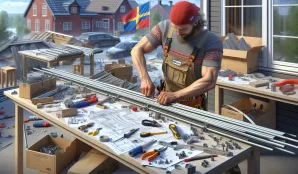
Fitter, awnings salary
Latest available salary statistics are for 2025. Compare average pay, salary range and related job listings.
32 100 - 35 800 SEK / month
Women earn 95% of what men do.
Industriell tillverkning
Related tools
Salary progression Fitter, awnings
What does an awning installer do? – Tasks and work environment
An awning installer primarily works with installing, maintaining, and sometimes repairing awnings on both private homes and commercial properties. Tasks often include measuring, attaching brackets and fabrics, adjusting mechanics and motors, and advising customers on different awning solutions. The work is mostly outdoors and can involve working at heights or from ladders and scaffolding. It requires both technical understanding and good physical ability, as heavy lifting and precision work are common. Safety is central, as the installer regularly handles tools and machinery in varying weather conditions.
Salary development over time
The salary for awning installers has shown a clear upward trend over the past three years. In 2022, the average salary was 29,600 SEK per month. In 2023, the salary increased to 32 700 SEK, corresponding to a growth of about 3.4%. In 2024, the average salary reached 33 500 SEK, a further increase of nearly 6.9% from the previous year. This positive development can be explained by continued demand for skilled installation work, combined with general salary adjustments and increased focus on the profession’s role in energy efficiency and building comfort. Despite good availability of labor, difficulties in finding experienced installers are reported, which may have contributed to the observed wage increases.
Awning installer salary – comprehensive overview
- Average salary: 33 500 SEK/month
- Lowest salary: 29,700 SEK/month (female, various sectors, pre-secondary education)
- Highest salary: 35,600 SEK/month (male, regional sector, pre-secondary education)
- Hourly wage: 196 SEK (based on 166 hours/month)
- Women: 32 200 SEK/month
- Men: 33 900 SEK/month
- Women earn: 95% of what men do
Education and qualifications
To work as an awning installer, no formal higher education is required, but high school education in construction, electrical, technology, or equivalent practical experience is often advantageous. Practical experience is highly valued, and many employers offer internal training or apprenticeships to provide necessary skills. Some certifications or specialized courses in work environment, safety, or electrical installation can be a plus, especially if you want to work with motorized or automated awning systems.
- High school education: Construction, electrical, or technology (3 years)
- Internal training: Commonly through internships or traineeships
- Certifications: Work environment and safety courses recommended
- Prerequisites: Good physical condition and technical interest
- Tips: Practical experience and attention to detail are highly valued
Working as an awning installer often involves meeting customers on-site and solving practical problems in real-time. The profession suits those who appreciate variety and want to see tangible results from their work every day. The ability to work independently and in small teams also makes social and communication skills valuable.
Common benefits and compensations
Many awning installers are covered by collective agreements regulating base salary, overtime pay, and vacation. Additional benefits such as occupational pension, wellness contributions, and work clothing are common. Some employers also offer bonuses based on results, as well as opportunities for training and certification in work environment and safety.
Competition and challenges
The profession of awning installer involves both competition and certain challenges. Despite many job openings nationwide, there are reports of difficulties in finding the right expertise, especially experienced installers with specialized skills. The work is physically demanding and often outdoors, which can be tough during colder and wetter seasons. Seasonal variations can also lead to uneven workload, with peak periods in spring and summer. The technological development of the profession, with more motorized and automated solutions, makes continuous skills development increasingly important. Some gender differences in salary and representation still exist, although the industry strives for greater gender equality.
Tips for aspiring awning installers
To succeed as an awning installer, it’s good to have a solutions-oriented attitude and a strong interest in technology. Precision is crucial, as each installation requires accuracy and safety awareness. Being physically resilient makes the work easier, especially when working at heights or in challenging weather. Good teamwork and customer service skills are important, as contact with clients and colleagues occurs daily. It’s also wise to be open to further education, such as safety courses or following technological developments in the industry. Showing initiative and willingness to take responsibility is appreciated by employers, especially in smaller teams where flexibility is an asset. Punctuality and the ability to work systematically are also valued to ensure projects are completed efficiently and safely.
Key facts about Awning Installer
- Education level: High school diploma or equivalent practical experience
- Work environment: Outdoors, often at heights and in varying weather
- Employment type: Employed by companies, sometimes seasonal work
- Demand: Great opportunities nationwide
- Special skills: Installation of motorized or automated systems
Career paths and future outlook
After three to five years as an awning installer, there are opportunities to advance to supervisor, technical specialist, or project manager within installation. Some choose to start their own business in sun protection or related crafts. According to the Swedish Public Employment Service’s forecasts for the group of installers of metal, rubber, and plastic products, job opportunities are expected to be plentiful nationwide, with demand remaining stable over the next five years. However, recruitment is characterized by a paradox: while many jobs are available, there are also difficulties finding the right skills, and a relatively high unemployment rate persists within the profession. There are over 1,400 job openings in the field, indicating good prospects for those with the right skills and willingness to develop in their area.
Frequently asked questions about Awning Installer
- What does an Awning Installer earn?
- The average salary is 33 500 SEK per month, with variations depending on experience, gender, and region. - What is the hourly wage for installers in the awning industry?
- The hourly wage averages 196 SEK based on 166 working hours per month. - Are there differences between men and women in salary?
- Yes, women earn on average 32 200 SEK while men earn 33 900 SEK, meaning women earn about 95% of men's salary. - What education is required to become an awning installer?
- High school education in construction, technology, or equivalent practical experience is recommended. - What are the future prospects for the profession?
- Job opportunities are plentiful nationwide, and demand is expected to remain unchanged over the next five years. - What are the common workplace risks?
- Work is often performed at heights and outdoors, requiring safety awareness and physical ability. - Are there opportunities for further training?
- Yes, many employers offer courses in work environment, safety, and technical development of awning systems.

Salary distributed by age and sector
| Age | Base salary | Monthly salary | |
|---|---|---|---|
| 18-24 | 97% | 29800 kr | 30900 kr |
| 25-34 | 99% | 32200 kr | 33200 kr |
| 35-44 | 94% | 32500 kr | 33400 kr |
| 45-54 | 98% | 33100 kr | 33900 kr |
| 55-64 | 89% | 34600 kr | 35100 kr |
| Snitt | 95% | 32700 kr | 33500 kr |
| Age | Base salary | Monthly salary | |
|---|---|---|---|
| 18-24 | 97% | 29800 kr | 30900 kr |
| 25-34 | 99% | 32200 kr | 33200 kr |
| 35-44 | 94% | 32500 kr | 33400 kr |
| 45-54 | 98% | 33100 kr | 33900 kr |
| 55-64 | 89% | 34600 kr | 35100 kr |
| Snitt | 95% | 32700 kr | 33500 kr |
| Age | Base salary | Monthly salary | |
|---|---|---|---|
| 18-24 | 97% | 29800 kr | 30900 kr |
| 25-34 | 99% | 32200 kr | 33200 kr |
| 35-44 | 94% | 32500 kr | 33400 kr |
| 45-54 | 98% | 33100 kr | 33900 kr |
| 55-64 | 89% | 34600 kr | 35100 kr |
| Snitt | 95% | 32700 kr | 33500 kr |
| Age | Base salary | Monthly salary | |
|---|---|---|---|
| 18-24 | 97% | 30100 kr | 31100 kr |
| 25-34 | 99% | 32300 kr | 33200 kr |
| 35-44 | 94% | 33000 kr | 33900 kr |
| 45-54 | 98% | 33300 kr | 34100 kr |
| 55-64 | 89% | 35500 kr | 35900 kr |
| Snitt | 95% | 33100 kr | 33900 kr |
| Age | Base salary | Monthly salary | |
|---|---|---|---|
| 18-24 | 97% | 30100 kr | 31100 kr |
| 25-34 | 99% | 32300 kr | 33200 kr |
| 35-44 | 94% | 33000 kr | 33900 kr |
| 45-54 | 98% | 33300 kr | 34100 kr |
| 55-64 | 89% | 35500 kr | 35900 kr |
| Snitt | 95% | 33100 kr | 33900 kr |
| Age | Base salary | Monthly salary | |
|---|---|---|---|
| 18-24 | 97% | 30100 kr | 31100 kr |
| 25-34 | 99% | 32300 kr | 33200 kr |
| 35-44 | 94% | 33000 kr | 33900 kr |
| 45-54 | 98% | 33300 kr | 34100 kr |
| 55-64 | 89% | 35500 kr | 35900 kr |
| Snitt | 95% | 33100 kr | 33900 kr |
| Age | Base salary | Monthly salary | |
|---|---|---|---|
| 18-24 | 97% | 29000 kr | 30200 kr |
| 25-34 | 99% | 31700 kr | 32800 kr |
| 35-44 | 94% | 31200 kr | 31900 kr |
| 45-54 | 98% | 32300 kr | 33300 kr |
| 55-64 | 89% | 31200 kr | 32000 kr |
| Snitt | 95% | 31300 kr | 32200 kr |
| Age | Base salary | Monthly salary | |
|---|---|---|---|
| 18-24 | 97% | 29000 kr | 30200 kr |
| 25-34 | 99% | 31700 kr | 32800 kr |
| 35-44 | 94% | 31200 kr | 31900 kr |
| 45-54 | 98% | 32300 kr | 33300 kr |
| 55-64 | 89% | 31200 kr | 32000 kr |
| Snitt | 95% | 31300 kr | 32200 kr |
| Age | Base salary | Monthly salary | |
|---|---|---|---|
| 18-24 | 97% | 29000 kr | 30200 kr |
| 25-34 | 99% | 31700 kr | 32800 kr |
| 35-44 | 94% | 31200 kr | 31900 kr |
| 45-54 | 98% | 32300 kr | 33300 kr |
| 55-64 | 89% | 31200 kr | 32000 kr |
| Snitt | 95% | 31300 kr | 32200 kr |

About the data
All information displayed on this page is based on data from the Swedish Central Bureau of Statistics (SCB), the Swedish Tax Agency and the Swedish employment agency. Learn more about our data and data sources here.
All figures are gross salaries, meaning salaries before tax. The average salary, or mean salary, is calculated by adding up the total salary for all individuals within the profession and dividing it by the number of individuals. For specific job categories, we have also considered various criteria such as experience and education.
Profession Fitter, awnings has the SSYK code 8213, which we use to match against the SCB database to obtain the latest salary statistics.
-

Sunscreen Installer at Primetex in Jönköping
Assemblers, metal, rubber and plastic products
Mon, 13 Jul 2026 - 23:52 -

Fine Assembler for Aimpoint in Malmö
Assemblers, metal, rubber and plastic products
Mon, 13 Jul 2026 - 23:52 -

Technician for Electromechanical Products - Hughes Power System AB
Assemblers, metal, rubber and plastic products
Mon, 13 Jul 2026 - 21:25 -

Installer for Cable Laying, Step Assembly, and Metalwork
Assemblers, metal, rubber and plastic products
Mon, 13 Jul 2026 - 21:06 -

Looking for industrial jobs in Töcksfors or Årjäng? Apply now!
Assemblers, metal, rubber and plastic products
Mon, 13 Jul 2026 - 21:05
Compare salary, work tasks and job outlook in adjacent occupations to find roles with similar skills or pay levels.
-
Tool technician, tool maker salary
Average salary: 37 900 SEK/month • Industriell tillverkning
Toolmakers
Compare with Fitter, awnings
Tue, 14 Jul 2026 - 10:09 -

Machine operator, glass wool salary
Average salary: 36 900 SEK/month • Industriell tillverkning
Other process and machine operators
Compare with Fitter, awnings
Tue, 14 Jul 2026 - 10:05 -

Average salary: 34 200 SEK/month • Industriell tillverkning
Machine operators, plastics industry
Compare with Fitter, awnings
Tue, 14 Jul 2026 - 07:11 -

Average salary: 36 900 SEK/month • Industriell tillverkning
Other process and machine operators
Compare with Fitter, awnings
Tue, 14 Jul 2026 - 07:12 -

Average salary: 36 300 SEK/month • Industriell tillverkning
Machine setters and machine operators, metal work
Compare with Fitter, awnings
Tue, 14 Jul 2026 - 03:57 -

Stencil manufacturer, screen printing salary
Average salary: 34 600 SEK/month • Industriell tillverkning
Printers
Compare with Fitter, awnings
Tue, 14 Jul 2026 - 08:18


