- Salary statistics
- Metal saws salary
Metal saws salary
Latest available salary statistics are for 2025. Compare average pay, salary range and related job listings.
33 600 - 37 300 SEK / month
Women earn 97% of what men do.
Industriell tillverkning
Related tools
Salary progression Metal saws
What does a metal saw operator do? – Tasks and work environment
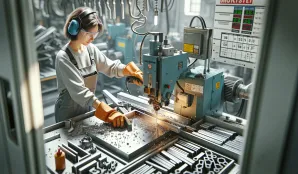
A metal saw operator works with cutting, processing, and shaping metal materials using various types of saws and machines. Common tasks include measuring materials, setting up and monitoring machines, and checking that cuts and shapes meet drawings and specifications. The work is often performed in industrial environments where precision and safety are crucial, and close cooperation with operators, technicians, and quality inspectors is common. Metal saw operators can be employed in workshop industries, construction, or specialized metal companies, and the work environment features machine noise, protective equipment, and clear safety routines.
Salary development over time
Salary levels for metal saw operators have steadily increased over the past three years. In 2022, the average salary was 33,000 SEK per month, which increased to 35 200 SEK in 2023. In 2024, the average salary has reached 36 300 SEK, representing a total increase of approximately 6.7% over the period. This development reflects ongoing demand for technical skills in the metal industry, although technological advancements and automation influence the market. Salary increases can also be linked to a shortage of qualified workers, especially in industrial regions with high recruitment needs. Gender differences remain, but the gap has narrowed somewhat as more women enter the profession.
Metal saw operator salary – complete overview
- Average salary: 36 300 SEK/month
- Lowest salary: 31,400 SEK/month (female)
- Highest salary: 36,100 SEK/month (male)
- Hourly wage: 212 SEK
- Gender differences: Women earn 97% of what men do (men: 36 500 SEK, women: 35 300 SEK)
- Regional differences: Salary levels may vary depending on region and industrial concentration
Education and qualifications
To work as a metal saw operator, a high school education with an industrial, technical, or workshop focus is generally required, often supplemented with internships or apprenticeship periods. Many employers also require specific certifications, such as forklift or crane licenses, and experience working with machines and reading drawings. The technical nature of the profession means ongoing further training and adaptation to new machines and methods are common.
- High school education: Industrial technical programs, 3 years
- Certifications: Forklift license, crane training, hot work certificates
- Internship: Apprenticeship or practical training during education is recommended
- Prerequisites: Basic mathematics and technical interest
- Further training: Courses in CNC, quality control, and machine safety
Metal saw operators often have the opportunity to work with advanced technology and automated production lines. Digitalization and machine integration are constantly increasing, making the profession today a combination of traditional craftsmanship and modern technology.
Common benefits and compensations
Many metal saw operators are covered by collective agreements that provide benefits such as occupational pension, insurance, and extra leave. It is common to have shift allowances, overtime pay for work during inconvenient hours, and wellness benefits. Other compensations include bonuses linked to production targets and opportunities for further training at the employer’s expense.
Competition and challenges
The competition for jobs as a metal saw operator is currently relatively low, as there is a significant shortage of qualified personnel in the industry. At the same time, the profession faces long-term challenges, as technological development and automation are expected to reduce the need for traditional manual tasks. To remain competitive, continuous skills development and adaptation to new technologies are necessary. Physically demanding tasks and shift work can also be challenging for some, and safety awareness is essential to avoid accidents.
Tips for those who want to become a metal saw operator
To succeed as a metal saw operator, it’s good to combine precision with technical interest and a willingness to learn new machines. Being solution-oriented helps when unexpected problems arise, and good teamwork skills are important since the work is often team-based. Practical skills and patience are needed to handle detailed tasks, while a strong safety mindset reduces the risk of accidents. Taking advantage of internship opportunities during training is recommended, as work experience weighs heavily in hiring decisions. Flexibility and willingness to further educate oneself in new technologies are also strengths, especially in a rapidly changing industry.
Key facts about Metal Saw Operators
- Education level: High school diploma, industrial technical focus
- Work environment: Industrial, often noisy and machine-dense
- Work form: Shift work is common
- Demand: Great job opportunities, but decreasing in the long term
- Special skills: Machine handling and reading drawings
Career paths and future prospects
After 3–5 years, a metal saw operator can develop into roles such as supervisor, specialized machine operator, or quality inspector. For those pursuing further education, opportunities include programming CNC machines or working as a technical instructor. According to the Employment Service’s forecast, job opportunities are currently abundant nationwide, but demand is expected to decline over five years due to increased automation and technological development. The shortage of qualified workers remains significant, with 1,437 job openings identified nationally.
Common questions about Metal Saw Operators
- What does a Metal Saw Operator earn?
- The average salary for a metal saw operator is 36 300 SEK per month. - How has the salary development looked for metal saw operators?
- Salaries have increased from 33,000 SEK in 2022 to 36 300 SEK in 2024, an increase of approximately 6.7%. - Are there differences between men and women?
- Yes, women earn 97% of what men do, with average wages of 35 300 SEK and 36 500 SEK respectively. - What education is required to become a metal saw operator?
- High school education with an industrial technical focus and internship is recommended. - What does the job market look like?
- There is high demand for metal saw operators today, but over five years, the need is expected to decrease due to automation. - What tasks are included in the role?
- Cutting and processing metal, setting up machines, and ensuring quality control. - What is the maximum salary a metal saw operator can earn?
- The highest salary is 36,100 SEK for men and 34,500 SEK for women.

Salary distributed by age and sector
| Age | Base salary | Monthly salary | |
|---|---|---|---|
| 18-24 | 100% | 31900 kr | 34300 kr |
| 25-34 | 98% | 34200 kr | 36400 kr |
| 35-44 | 96% | 34400 kr | 36400 kr |
| 45-54 | 96% | 35100 kr | 36900 kr |
| 55-64 | 95% | 35100 kr | 36700 kr |
| 65-68 | 33500 kr | 34800 kr | |
| Snitt | 97% | 34300 kr | 36300 kr |
| Age | Base salary | Monthly salary | |
|---|---|---|---|
| 25-34 | 32900 kr | 35600 kr | |
| 35-44 | 35600 kr | 36700 kr | |
| 45-54 | 32700 kr | 32700 kr | |
| 55-64 | 33300 kr | 34300 kr | |
| Snitt | 33300 kr | 34300 kr |
| Age | Base salary | Monthly salary | |
|---|---|---|---|
| 25-34 | 32900 kr | 35600 kr | |
| 35-44 | 35600 kr | 36700 kr | |
| 45-54 | 32700 kr | 32700 kr | |
| 55-64 | 33300 kr | 34300 kr | |
| Snitt | 33300 kr | 34300 kr |
| Age | Base salary | Monthly salary | |
|---|---|---|---|
| 18-24 | 100% | 31900 kr | 34300 kr |
| 25-34 | 98% | 34200 kr | 36400 kr |
| 35-44 | 96% | 34400 kr | 36400 kr |
| 45-54 | 96% | 35100 kr | 37000 kr |
| 55-64 | 95% | 35100 kr | 36700 kr |
| 65-68 | 33500 kr | 34800 kr | |
| Snitt | 97% | 34300 kr | 36300 kr |
| Age | Base salary | Monthly salary | |
|---|---|---|---|
| 18-24 | 100% | 31900 kr | 34300 kr |
| 25-34 | 98% | 34200 kr | 36400 kr |
| 35-44 | 96% | 34400 kr | 36400 kr |
| 45-54 | 96% | 35100 kr | 37000 kr |
| 55-64 | 95% | 35100 kr | 36700 kr |
| 65-68 | 33500 kr | 34800 kr | |
| Snitt | 97% | 34300 kr | 36300 kr |
| Age | Base salary | Monthly salary | |
|---|---|---|---|
| 18-24 | 100% | 32000 kr | 34300 kr |
| 25-34 | 98% | 34200 kr | 36500 kr |
| 35-44 | 96% | 34600 kr | 36700 kr |
| 45-54 | 96% | 35300 kr | 37200 kr |
| 55-64 | 95% | 35300 kr | 37000 kr |
| 65-68 | 33600 kr | 34800 kr | |
| Snitt | 97% | 34500 kr | 36500 kr |
| Age | Base salary | Monthly salary | |
|---|---|---|---|
| 25-34 | 32800 kr | 36400 kr | |
| 35-44 | 35600 kr | 36700 kr | |
| 45-54 | 32700 kr | 32700 kr | |
| 55-64 | 33300 kr | 34300 kr | |
| Snitt | 33300 kr | 34300 kr |
| Age | Base salary | Monthly salary | |
|---|---|---|---|
| 25-34 | 32800 kr | 36400 kr | |
| 35-44 | 35600 kr | 36700 kr | |
| 45-54 | 32700 kr | 32700 kr | |
| 55-64 | 33300 kr | 34300 kr | |
| Snitt | 33300 kr | 34300 kr |
| Age | Base salary | Monthly salary | |
|---|---|---|---|
| 18-24 | 100% | 32000 kr | 34300 kr |
| 25-34 | 98% | 34200 kr | 36500 kr |
| 35-44 | 96% | 34600 kr | 36700 kr |
| 45-54 | 96% | 35300 kr | 37200 kr |
| 55-64 | 95% | 35300 kr | 37000 kr |
| 65-68 | 33600 kr | 34800 kr | |
| Snitt | 97% | 34500 kr | 36500 kr |
| Age | Base salary | Monthly salary | |
|---|---|---|---|
| 18-24 | 100% | 32000 kr | 34300 kr |
| 25-34 | 98% | 34200 kr | 36500 kr |
| 35-44 | 96% | 34600 kr | 36700 kr |
| 45-54 | 96% | 35300 kr | 37200 kr |
| 55-64 | 95% | 35300 kr | 37000 kr |
| 65-68 | 33600 kr | 34800 kr | |
| Snitt | 97% | 34500 kr | 36500 kr |
| Age | Base salary | Monthly salary | |
|---|---|---|---|
| 18-24 | 100% | 31900 kr | 34300 kr |
| 25-34 | 98% | 34100 kr | 35900 kr |
| 35-44 | 96% | 33400 kr | 35300 kr |
| 45-54 | 96% | 33800 kr | 35700 kr |
| 55-64 | 95% | 33500 kr | 35200 kr |
| Snitt | 97% | 33400 kr | 35300 kr |
| Age | Base salary | Monthly salary | |
|---|---|---|---|
| 18-24 | 100% | 31900 kr | 34300 kr |
| 25-34 | 98% | 34100 kr | 35900 kr |
| 35-44 | 96% | 33400 kr | 35300 kr |
| 45-54 | 96% | 33800 kr | 35700 kr |
| 55-64 | 95% | 33500 kr | 35200 kr |
| Snitt | 97% | 33400 kr | 35300 kr |
| Age | Base salary | Monthly salary | |
|---|---|---|---|
| 18-24 | 100% | 31900 kr | 34300 kr |
| 25-34 | 98% | 34100 kr | 35900 kr |
| 35-44 | 96% | 33400 kr | 35300 kr |
| 45-54 | 96% | 33800 kr | 35700 kr |
| 55-64 | 95% | 33500 kr | 35200 kr |
| Snitt | 97% | 33400 kr | 35300 kr |

About the data
All information displayed on this page is based on data from the Swedish Central Bureau of Statistics (SCB), the Swedish Tax Agency and the Swedish employment agency. Learn more about our data and data sources here.
All figures are gross salaries, meaning salaries before tax. The average salary, or mean salary, is calculated by adding up the total salary for all individuals within the profession and dividing it by the number of individuals. For specific job categories, we have also considered various criteria such as experience and education.
Profession Metal saws has the SSYK code 7223, which we use to match against the SCB database to obtain the latest salary statistics.
-
Machine Operator for Precision Industry in Northern Stockholm
Machine setters and machine operators, metal work
Mon, 13 Jul 2026 - 21:55 -

Bending Press Operator Wanted at Plåtteknik i Kumla AB
Machine setters and machine operators, metal work
Mon, 13 Jul 2026 - 21:36 -

Machine Operator for Established Operation in Västerås
Machine setters and machine operators, metal work
Mon, 13 Jul 2026 - 21:30 -

Machine setters and machine operators, metal work
Mon, 13 Jul 2026 - 21:27 -

CNC Operator in Årjäng – Opportunity for Permanent Employment
Machine setters and machine operators, metal work
Mon, 13 Jul 2026 - 21:26
Compare salary, work tasks and job outlook in adjacent occupations to find roles with similar skills or pay levels.
-

Window fitter, manufacturing salary
Average salary: 34 400 SEK/month • Industriell tillverkning
Assemblers, wood products
Compare with Metal saws
Mon, 13 Jul 2026 - 20:16 -

Average salary: 39 900 SEK/month • Industriell tillverkning
Machine operators, pharmaceutical products
Compare with Metal saws
Mon, 13 Jul 2026 - 13:46 -

Average salary: 40 300 SEK/month • Industriell tillverkning
Machine operators, paper goods industry
Compare with Metal saws
Sat, 11 Jul 2026 - 17:51 -

Machine operator, food industry, tea, coffee, cocoa salary
Average salary: 33 700 SEK/month • Industriell tillverkning
Other machine operators, food industry etc.
Compare with Metal saws
Tue, 14 Jul 2026 - 04:42 -

Average salary: 32 200 SEK/month • Industriell tillverkning
Other machine operators, textile, leather and leather industry
Compare with Metal saws
Mon, 6 Jul 2026 - 15:34 -

Average salary: 34 700 SEK/month • Industriell tillverkning
Machine carpenters and machine operators, wood industry
Compare with Metal saws
Tue, 14 Jul 2026 - 01:43


