- Salary statistics
- Awning fitter, manufacturing salary
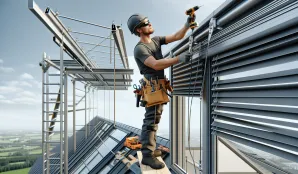
Awning fitter, manufacturing salary
Latest available salary statistics are for 2025. Compare average pay, salary range and related job listings.
33 500 - 40 100 SEK / month
Women earn 99% of what men do.
Industriell tillverkning
Related tools
Salary progression Awning fitter, manufacturing
What does a marquee installer in manufacturing do? – Tasks and work environment
A marquee installer in manufacturing is responsible for assembling, adjusting, and installing various types of awnings and sun protection systems, both in workshop settings and at customer sites. Tasks range from preparatory manufacturing steps, such as cutting and assembling profiles, to installation and commissioning on-site. The work often requires precision, technical knowledge, and the ability to read drawings. The work environment varies – some tasks are indoors in production facilities, while others are outdoors where weather and working at heights may be part of daily work.
Salary development over time
The salary for marquee installers in manufacturing has shown a clear upward trend in recent years. In 2022, the average salary was 31,300 SEK, increasing to 36 100 SEK in 2023. In 2024, the average salary reached 37 100 SEK, representing a total increase of over 15% over three years. This positive trend reflects a growing demand for skilled installers as the construction and renovation markets expand, and as sun protection technology becomes more advanced. Increased awareness of work environment and improved collective agreements have also contributed to the strong salary development in the profession.
Marquee installer in manufacturing salary – comprehensive overview
- Average salary: 37 100 SEK/month
- Lowest salary: 33,100 SEK/month
- Highest salary: 38,300 SEK/month
- Hourly wage (average): 217 SEK
- Men's average salary: 37 200 SEK/month
- Women's average salary: 36 800 SEK/month
- Women earn: 99% of what men do
- Regional differences: Data not available
Education and qualifications
To work as a marquee installer in manufacturing, a high school diploma is typically required, preferably with a focus on construction, electrical work, or industrial production. Further training or specialized courses in assembly and safety can be advantageous. Practical experience is highly valued, and many employers prefer new hires to have completed internships or trainee programs within the industry.
- High school education: Construction and civil engineering programs or similar (3 years)
- Internship/trainee: Common, often 6–12 months
- Specialized courses: Assembly, lifting techniques, and work environment
- Prerequisites: Technical interest and good physical condition
- Certifications: May be required for certain types of assembly or work at heights
Marquee installers in manufacturing often gain a unique insight into both craftsmanship and the technical solutions behind modern sun protection systems. The profession combines practical work with problem-solving and offers the opportunity to follow a product from design to finished installation.
Common benefits and compensations
Marquee installers in manufacturing are often covered by collective agreements that provide occupational pension, additional health insurance, and wellness contributions. Other common benefits include work clothing, tool allowances, and sometimes bonuses for meeting targets. Some employers also offer training support and opportunities for further development within the company.
Competition and challenges
The profession as a marquee installer in manufacturing is characterized by a relatively strong labor market with high demand for skilled installers. Challenges include increasing technical requirements for installations and the need for continuous skills development. Competition may be tougher in metropolitan areas, where more people seek employment in the industry, while smaller towns may have fewer available positions. Seasonal variations impact workload, especially during spring and summer when demand for awnings is highest. Physical strain and working at heights require safety awareness and good health.
Tips for those who want to become a marquee installer in manufacturing
To succeed as a marquee installer in manufacturing, it is good to be precise and detail-oriented from the start. Being technically curious and eager to learn new methods and products facilitates, as the industry is constantly evolving. Physical endurance and good health are necessary, as the work is often heavy and may involve working at heights. Being service-minded and able to cooperate with colleagues and customers is a big advantage, especially during on-site installations. Flexibility and problem-solving skills are appreciated by employers, since unexpected challenges often arise on site. Having a driver’s license can also increase chances of employment, as many employers require it. Finally, a positive attitude and a responsible approach are valuable qualities for building trust and developing within the profession.
Key facts about marquee installers in manufacturing
- Education level: High school, often construction or industrial programs
- Work environment: Varies between workshop and outdoor work, sometimes at heights
- Demand: High – 1,437 available jobs in the latest survey
- Gender distribution: Predominantly men, but the proportion of women is increasing
- Work form: Full-time most common, but hourly employment also occurs
Career paths and future prospects
After three to five years in the profession, a marquee installer in manufacturing can advance to lead installer, supervisor, or production manager, especially within larger companies. Other possible paths include specialization in installing advanced sun protection systems or technical support. Forecasts from the Employment Service indicate continued good prospects, with stable demand for skilled installers. Digitalization and new technical solutions may also open opportunities for further education and new roles within the industry.
Common questions about marquee installers in manufacturing
- What does a marquee installer in manufacturing earn?
- The average salary is 37 100 SEK per month, with variations depending on experience and employer. - How has the salary development looked for marquee installers?
- Salaries have increased by over 15% in the past three years, from 31,300 SEK to 37 100. - What education is required to become a marquee installer in manufacturing?
- High school education with a focus on construction or industry is most common; internships are advantageous. - Are there salary differences between men and women?
- Yes, women earn 99% of men's salaries, with an average of 36 800 SEK compared to 37 200 SEK for men. - What career opportunities are available after a few years as a marquee installer?
- Opportunities include becoming a lead installer, supervisor, or specializing in technical and installation roles. - What is the job market like for marquee installers?
- The job market is strong with many available positions, especially during peak seasons. - What are the highest and lowest salaries for a marquee installer in manufacturing?
- The highest salary is 38,300 SEK, and the lowest is 33,100 SEK, depending on experience, education, and employer.

Salary distributed by age and sector
| Age | Base salary | Monthly salary | |
|---|---|---|---|
| 18-24 | 111% | 34200 kr | 37400 kr |
| 25-34 | 97% | 35800 kr | 38000 kr |
| 35-44 | 92% | 34500 kr | 36000 kr |
| 45-54 | 90% | 35100 kr | 36600 kr |
| 55-64 | 93% | 34800 kr | 35900 kr |
| Snitt | 99% | 34900 kr | 37100 kr |
| Age | Base salary | Monthly salary | |
|---|---|---|---|
| 18-24 | 111% | 34200 kr | 37400 kr |
| 25-34 | 97% | 35800 kr | 38000 kr |
| 35-44 | 92% | 34500 kr | 36000 kr |
| 45-54 | 90% | 35100 kr | 36600 kr |
| 55-64 | 93% | 34800 kr | 35900 kr |
| Snitt | 99% | 34900 kr | 37100 kr |
| Age | Base salary | Monthly salary | |
|---|---|---|---|
| 18-24 | 111% | 34200 kr | 37400 kr |
| 25-34 | 97% | 35800 kr | 38000 kr |
| 35-44 | 92% | 34500 kr | 36000 kr |
| 45-54 | 90% | 35100 kr | 36600 kr |
| 55-64 | 93% | 34800 kr | 35900 kr |
| Snitt | 99% | 34900 kr | 37100 kr |
| Age | Base salary | Monthly salary | |
|---|---|---|---|
| 18-24 | 111% | 33600 kr | 36500 kr |
| 25-34 | 97% | 35900 kr | 38300 kr |
| 35-44 | 92% | 35100 kr | 36600 kr |
| 45-54 | 90% | 36000 kr | 37500 kr |
| 55-64 | 93% | 35400 kr | 36500 kr |
| Snitt | 99% | 35000 kr | 37200 kr |
| Age | Base salary | Monthly salary | |
|---|---|---|---|
| 18-24 | 111% | 33600 kr | 36500 kr |
| 25-34 | 97% | 35900 kr | 38300 kr |
| 35-44 | 92% | 35100 kr | 36600 kr |
| 45-54 | 90% | 36000 kr | 37500 kr |
| 55-64 | 93% | 35400 kr | 36500 kr |
| Snitt | 99% | 35000 kr | 37200 kr |
| Age | Base salary | Monthly salary | |
|---|---|---|---|
| 18-24 | 111% | 33600 kr | 36500 kr |
| 25-34 | 97% | 35900 kr | 38300 kr |
| 35-44 | 92% | 35100 kr | 36600 kr |
| 45-54 | 90% | 36000 kr | 37500 kr |
| 55-64 | 93% | 35400 kr | 36500 kr |
| Snitt | 99% | 35000 kr | 37200 kr |
| Age | Base salary | Monthly salary | |
|---|---|---|---|
| 18-24 | 111% | 36200 kr | 40300 kr |
| 25-34 | 97% | 35500 kr | 37300 kr |
| 35-44 | 92% | 32900 kr | 33900 kr |
| 45-54 | 90% | 32600 kr | 33900 kr |
| 55-64 | 93% | 33000 kr | 33900 kr |
| Snitt | 99% | 34600 kr | 36800 kr |
| Age | Base salary | Monthly salary | |
|---|---|---|---|
| 18-24 | 111% | 36200 kr | 40300 kr |
| 25-34 | 97% | 35500 kr | 37300 kr |
| 35-44 | 92% | 32900 kr | 33900 kr |
| 45-54 | 90% | 32600 kr | 33900 kr |
| 55-64 | 93% | 33000 kr | 33900 kr |
| Snitt | 99% | 34600 kr | 36800 kr |
| Age | Base salary | Monthly salary | |
|---|---|---|---|
| 18-24 | 111% | 36200 kr | 40300 kr |
| 25-34 | 97% | 35500 kr | 37300 kr |
| 35-44 | 92% | 32900 kr | 33900 kr |
| 45-54 | 90% | 32600 kr | 33900 kr |
| 55-64 | 93% | 33000 kr | 33900 kr |
| Snitt | 99% | 34600 kr | 36800 kr |

About the data
All information displayed on this page is based on data from the Swedish Central Bureau of Statistics (SCB), the Swedish Tax Agency and the Swedish employment agency. Learn more about our data and data sources here.
All figures are gross salaries, meaning salaries before tax. The average salary, or mean salary, is calculated by adding up the total salary for all individuals within the profession and dividing it by the number of individuals. For specific job categories, we have also considered various criteria such as experience and education.
Profession Awning fitter, manufacturing has the SSYK code 8219, which we use to match against the SCB database to obtain the latest salary statistics.
-

Installer for Värmekoncept – Fireplace and Chimney Installation in Gothenburg
Other assemblers
Thu, 2 Jul 2026 - 22:11


Compare salary, work tasks and job outlook in adjacent occupations to find roles with similar skills or pay levels.
-
Tool technician, tool maker salary
Average salary: 37 900 SEK/month • Industriell tillverkning
Toolmakers
Compare with Awning fitter, manufacturing
Tue, 14 Jul 2026 - 10:09 -

Machine operator, glass wool salary
Average salary: 36 900 SEK/month • Industriell tillverkning
Other process and machine operators
Compare with Awning fitter, manufacturing
Tue, 14 Jul 2026 - 10:05 -

Average salary: 34 200 SEK/month • Industriell tillverkning
Machine operators, plastics industry
Compare with Awning fitter, manufacturing
Tue, 14 Jul 2026 - 07:11 -

Average salary: 36 900 SEK/month • Industriell tillverkning
Other process and machine operators
Compare with Awning fitter, manufacturing
Tue, 14 Jul 2026 - 07:12 -

Average salary: 36 300 SEK/month • Industriell tillverkning
Machine setters and machine operators, metal work
Compare with Awning fitter, manufacturing
Tue, 14 Jul 2026 - 03:57 -

Stencil manufacturer, screen printing salary
Average salary: 34 600 SEK/month • Industriell tillverkning
Printers
Compare with Awning fitter, manufacturing
Tue, 14 Jul 2026 - 08:18


