- Salary statistics
- Clippers salary
Clippers salary
Latest available salary statistics are for 2025. Compare average pay, salary range and related job listings.
33 300 - 36 100 SEK / month
Women earn 97% of what men do.
Industriell tillverkning
Related tools
Salary progression Clippers
What does a Knippare do? – Tasks and Work Environment
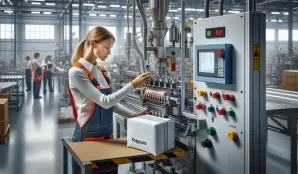
A Knippare mainly works within industrial manufacturing and is primarily responsible for handling machines for filling, packaging, and labeling goods. The role often involves monitoring production lines, ensuring machines operate correctly, and troubleshooting simpler technical issues as needed. The work can also include inspecting packaging materials, quality control, and some documentation related to production. The work environment is typically a factory setting with a fast pace and demands for precision and safety. Shift work occurs, and tasks are often performed standing for much of the day, requiring good physical condition and attention to detail.
Salary development over time
Over the past three years, Knippare have experienced steady salary growth. In 2022, the average salary was 31,600 SEK per month. The following year, it increased to 33,000 SEK, representing an increase of just over 4%. Up to 2024, salaries continued to rise, and the average salary reached 34 800 SEK. Overall, this represents a total salary increase of approximately 5.7% over three years. This development reflects the general demand for machine operators in industry and is influenced by factors such as increased production speed, technological advancements, and the need for skilled labor. Salaries have also been affected by collective bargaining negotiations and the economic situation of the labor market, where stable demand for workers in the field has contributed to positive salary development.
Knippare Salary – Complete Overview
- Average salary: 34 800 SEK/month
- Lowest salary: 32,400 SEK/month (female), 33,000 SEK/month (male)
- Highest salary: 33,600 SEK/month (female), 34,500 SEK/month (male)
- Hourly wage: 201 SEK
- Gender differences: Women earn 97% of what men do
- Regional differences: Data not available
Education and Qualifications
To work as a Knippare, a high school education in industry, technology, or a similar field is usually required. Many employers also value practical experience in industrial work or machine handling. Some employers may offer on-the-job training, especially if machines have specific requirements. Certifications in occupational safety and health can be advantageous, and having a good technical understanding and teamwork skills is beneficial.
- High school education: Industry, technology, or equivalent (3 years)
- Internal training: Common upon employment
- Practical experience: Meritorious, often through vocational introduction or apprenticeships
- Certifications: Occupational safety, safety, forklift license can be advantageous
- Technical understanding: Basic requirement
Many Knippare develop specialized skills over time regarding certain machines or production processes, which can lead to increased responsibilities, such as team leader or trainer for new employees. For those interested in technology and working with their hands, there are good opportunities to grow within the role and enjoy a varied workday.
Common Benefits and Compensation
Knippare are often covered by collective agreements, which include occupational pension, insurance, and overtime pay. Many employers also offer wellness allowances, subsidized meals, and sometimes opportunities for training or skills development. Shift work may include shift allowances, and some workplaces have bonus systems tied to production or quality.
Competition and Challenges
The job market for Knippare is characterized by steady demand, but competition for the most attractive positions can be high, especially in regions with a strong industrial presence. Technological changes and automation mean that requirements for technical competence and flexibility are increasing. A challenge is to stay updated on new machines and methods, while the work environment can be physically demanding with monotonous movements and heavy lifting. Success requires precision and the ability to quickly solve problems that arise during production. Limited statistical data makes it difficult to precisely assess future recruitment needs, but signs indicate employers are seeking experienced personnel with broad skills.
Tips for those wanting to become a Knippare
To succeed as a Knippare, it is important to be meticulous and attentive to detail, as tasks often require precision in machine handling and quality checks. Good teamwork skills are essential since the work is performed in teams and requires smooth collaboration with colleagues on the production line. Flexibility and adaptability are helpful during shift work and when tasks vary between different machines or processes. For those interested in technology, gaining experience with machines early on through internships or summer jobs in industry is recommended. Being solution-oriented helps with troubleshooting and maintenance, while a positive attitude toward physical work makes the workday easier. Finally, early contact with employers about internal training or apprenticeship opportunities is advantageous.
Key Facts about Knippare
- Education level: High school education in industry or technology
- Work environment: Industrial production, often shift work
- Common employment forms: Full-time or shift, sometimes temporary
- Demand: 1,437 available jobs within the profession (May 2024)
Career Paths and Future Outlook
After 3–5 years as a Knippare, there are opportunities to move into more specialized roles, such as machine supervisor, team leader, or trainer for new employees. Some choose to further their education in automation or production technology and can then advance to supervisory positions. According to the Employment Service's forecast, there is no specific assessment for Knippare due to limited data, but there is steady demand for machine operators, filling, packing, and labeling. With experience and further training, opportunities for higher salaries and greater responsibilities increase, and expertise in the field is in demand nationwide.
Frequently Asked Questions about Knippare
- What does a Knippare earn?
- A Knippare has an average salary of 34 800 SEK per month. - Are there salary differences between men and women?
- Yes, women earn an average of 32,400 SEK while men earn 35 100 SEK, which means women earn 97% of men's salaries. - What education is required to become a Knippare?
- Usually, high school education in industry or technology, along with possible internal training. - What is the job market like for Knippare?
- There are 1,437 available jobs in the profession, indicating strong demand. - What are the biggest challenges in the profession?
- Challenges include physically demanding work environment, monotonous tasks, and the need for technical knowledge. - What benefits are typically offered?
- Common benefits include occupational pension, insurance, wellness allowance, and overtime pay. - What are the future prospects?
- The outlook is uncertain, but steady demand exists within the profession according to the Employment Service.

Salary distributed by age and sector
| Age | Base salary | Monthly salary | |
|---|---|---|---|
| 18-24 | 94% | 29200 kr | 33700 kr |
| 25-34 | 96% | 30500 kr | 35100 kr |
| 35-44 | 97% | 31200 kr | 34900 kr |
| 45-54 | 98% | 31700 kr | 34500 kr |
| 55-64 | 99% | 32200 kr | 35700 kr |
| Snitt | 97% | 31000 kr | 34800 kr |
| Age | Base salary | Monthly salary | |
|---|---|---|---|
| 18-24 | 94% | 29200 kr | 33700 kr |
| 25-34 | 96% | 30500 kr | 35100 kr |
| 35-44 | 97% | 31200 kr | 34900 kr |
| 45-54 | 98% | 31700 kr | 34500 kr |
| 55-64 | 99% | 32200 kr | 35700 kr |
| Snitt | 97% | 31000 kr | 34800 kr |
| Age | Base salary | Monthly salary | |
|---|---|---|---|
| 18-24 | 94% | 29200 kr | 33700 kr |
| 25-34 | 96% | 30500 kr | 35100 kr |
| 35-44 | 97% | 31200 kr | 34900 kr |
| 45-54 | 98% | 31700 kr | 34500 kr |
| 55-64 | 99% | 32200 kr | 35700 kr |
| Snitt | 97% | 31000 kr | 34800 kr |
| Age | Base salary | Monthly salary | |
|---|---|---|---|
| 18-24 | 94% | 29500 kr | 34400 kr |
| 25-34 | 96% | 30500 kr | 35400 kr |
| 35-44 | 97% | 31500 kr | 35200 kr |
| 45-54 | 98% | 32000 kr | 34800 kr |
| 55-64 | 99% | 32300 kr | 35800 kr |
| Snitt | 97% | 31100 kr | 35100 kr |
| Age | Base salary | Monthly salary | |
|---|---|---|---|
| 18-24 | 94% | 29500 kr | 34400 kr |
| 25-34 | 96% | 30500 kr | 35400 kr |
| 35-44 | 97% | 31500 kr | 35200 kr |
| 45-54 | 98% | 32000 kr | 34800 kr |
| 55-64 | 99% | 32300 kr | 35800 kr |
| Snitt | 97% | 31100 kr | 35100 kr |
| Age | Base salary | Monthly salary | |
|---|---|---|---|
| 18-24 | 94% | 29500 kr | 34400 kr |
| 25-34 | 96% | 30500 kr | 35400 kr |
| 35-44 | 97% | 31500 kr | 35200 kr |
| 45-54 | 98% | 32000 kr | 34800 kr |
| 55-64 | 99% | 32300 kr | 35800 kr |
| Snitt | 97% | 31100 kr | 35100 kr |
| Age | Base salary | Monthly salary | |
|---|---|---|---|
| 18-24 | 94% | 28500 kr | 32500 kr |
| 25-34 | 96% | 30500 kr | 34100 kr |
| 35-44 | 97% | 30700 kr | 34200 kr |
| 45-54 | 98% | 31200 kr | 34100 kr |
| 55-64 | 99% | 32000 kr | 35500 kr |
| Snitt | 97% | 30600 kr | 34000 kr |
| Age | Base salary | Monthly salary | |
|---|---|---|---|
| 18-24 | 94% | 28500 kr | 32500 kr |
| 25-34 | 96% | 30500 kr | 34100 kr |
| 35-44 | 97% | 30700 kr | 34200 kr |
| 45-54 | 98% | 31200 kr | 34100 kr |
| 55-64 | 99% | 32000 kr | 35500 kr |
| Snitt | 97% | 30600 kr | 34000 kr |
| Age | Base salary | Monthly salary | |
|---|---|---|---|
| 18-24 | 94% | 28500 kr | 32500 kr |
| 25-34 | 96% | 30500 kr | 34100 kr |
| 35-44 | 97% | 30700 kr | 34200 kr |
| 45-54 | 98% | 31200 kr | 34100 kr |
| 55-64 | 99% | 32000 kr | 35500 kr |
| Snitt | 97% | 30600 kr | 34000 kr |

About the data
All information displayed on this page is based on data from the Swedish Central Bureau of Statistics (SCB), the Swedish Tax Agency and the Swedish employment agency. Learn more about our data and data sources here.
All figures are gross salaries, meaning salaries before tax. The average salary, or mean salary, is calculated by adding up the total salary for all individuals within the profession and dividing it by the number of individuals. For specific job categories, we have also considered various criteria such as experience and education.
Profession Clippers has the SSYK code 8181, which we use to match against the SCB database to obtain the latest salary statistics.
-
Production Team Member at Ankarsrum Kitchen in Västervik
Machine operators, filling, packing and labeling
Fri, 10 Jul 2026 - 20:39 -
Machine Operator for Modern Production Environment
Machine operators, filling, packing and labeling
Thu, 9 Jul 2026 - 00:07 -

Packager Wanted for Packaging Department
Machine operators, filling, packing and labeling
Wed, 1 Jul 2026 - 09:20 -
Machine Operator for Modern Production
Machine operators, filling, packing and labeling
Mon, 29 Jun 2026 - 20:48 -
Machine Operator for Modern Production Environment
Machine operators, filling, packing and labeling
Mon, 22 Jun 2026 - 21:43
Compare salary, work tasks and job outlook in adjacent occupations to find roles with similar skills or pay levels.
-

Average salary: 36 800 SEK/month • Industriell tillverkning
Welders and gas cutters
Compare with Clippers
Tue, 14 Jul 2026 - 17:55 -

Average salary: 36 000 SEK/month • Industriell tillverkning
Machine operators, surface treatment
Compare with Clippers
Tue, 14 Jul 2026 - 13:54 -

Machine operator, textile industry, sewing salary
Average salary: 32 200 SEK/month • Industriell tillverkning
Other machine operators, textile, leather and leather industry
Compare with Clippers
Tue, 14 Jul 2026 - 17:57 -

Average salary: 36 900 SEK/month • Industriell tillverkning
Machine operators, dairy
Compare with Clippers
Tue, 14 Jul 2026 - 13:55 -

Charcuterie worker, manufacturing salary
Average salary: 33 000 SEK/month • Industriell tillverkning
Machine operators, meat and fish processing industry
Compare with Clippers
Tue, 14 Jul 2026 - 13:08 -

Average salary: 35 700 SEK/month • Industriell tillverkning
Grinders etc.
Compare with Clippers
Tue, 14 Jul 2026 - 18:51


