- Salary statistics
- Nuclear maker, machine salary
Nuclear maker, machine salary
Latest available salary statistics are for 2025. Compare average pay, salary range and related job listings.
39 500 - 40 800 SEK / month
Women earn 99% of what men do.
Industriell tillverkning
Related tools
Salary progression Nuclear maker, machine
What does a core maker in machinery do – tasks and work environment
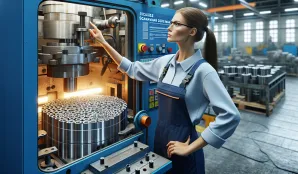
A core maker in machinery primarily works within the steel and metal industry, manufacturing molds and cores used in metal casting. Tasks include supervising and maintaining machines that form and cure sand cores, quality control of finished products, and equipment maintenance. The work often takes place in a production environment with high demands on precision and safety. The environment can be noisy and dusty, making protective gear standard. Collaboration with other operators and technicians is common, and duties may vary depending on the production focus and technical equipment.
Salary development over time
The salary level for core makers in machinery has shown a clear positive trend over the past three years. In 2022, the average salary was 36,300 SEK per month, which increased to 39 800 SEK in 2023. The latest measured average salary for 2024 is 40 100 SEK, representing an increase of about 9.6% over two years. This salary development can partly be explained by increased demand for technically skilled operators in the steel and metal sector, as well as general wage pressure within the industry. Industry investments in automation and technological development have increased the need for qualified personnel, often leading to higher wages for experienced workers.
Core maker, machinery salary – complete overview
- Average salary: 40 100 SEK/month
- Lowest salary: 38,100 SEK/month (women), 38,200 SEK/month (men)
- Highest salary: 41,000 SEK/month (women), 40,400 SEK/month (men)
- Hourly wage: 239 SEK
- Gender differences: Women earn 99% of what men do
- Regional differences: Salaries vary depending on sector and education level
Education and qualifications
To work as a core maker in machinery, a high school education in industry, technology, or equivalent is usually required. Practical experience from production or machine operation is often advantageous, as well as some knowledge of materials science and quality assurance. Further training in control and regulation technology or certifications can provide advantages on the job market.
- High school education: Industrial technology programs, 3 years
- Practical training: Apprenticeship or trainee positions are common
- Certifications: Meritorious in machine safety and quality
- Prerequisites: Basic mathematics and technology
- Further education: Courses in control and regulation technology, materials science
Core makers in machinery often have the opportunity to work with advanced technology and machines that are constantly evolving. Curious individuals who enjoy problem-solving can quickly become valuable assets in production. The profession is especially suitable if you appreciate variety and technical challenges.
Common benefits and compensations
Common benefits for core makers in machinery include shift differentials, wellness allowances, work clothing, and sometimes bonuses based on production results. Some employers also offer further training and skills development to meet new technical demands within the industry.
Competition and challenges
The competition for available positions as a core maker in machinery varies depending on region and economic conditions. The industry is affected by fluctuations in industrial production and investments in new technology. A challenge is that tasks require high precision and responsibility, especially when working with automated machines. Skills in maintenance, troubleshooting, and digital control systems are increasingly important. Additionally, high demands are placed on work environment and safety, requiring good knowledge of routines and regulations.
Tips for those wishing to become a core maker in machinery
To succeed as a core maker in machinery, it is good to have a meticulous attitude and an interest in technology. Being solution-oriented helps with troubleshooting and machine maintenance. Good collaboration skills facilitate teamwork, especially during shift work. Curiosity about new technical solutions makes it easier to adapt to changes in the industry. Patience and responsibility are essential qualities when following safety routines and quality standards. Taking initiative for skills development can also give an advantage in the job market. Finally, endurance is an asset, as the work can sometimes be monotonous but requires constant attention to detail.
Key facts about Core Maker, machinery
- Education level: High school education, often supplemented with practical training
- Work environment: Industrial production environment with shift work
- Typical employment: Full-time, often shift work
- Demand: 1,437 available jobs in the profession
- Special skills: Machine handling and materials science
Career paths and future prospects
After several years of experience as a core maker in machinery, opportunities include advancing to supervisory roles, such as team leader or production technician. Specialization in maintenance, programming control systems, or quality control can also open doors to more qualified positions. According to the Swedish Public Employment Service’s forecasts, it is difficult to give an exact assessment of future prospects due to limited data, but the number of available jobs in the profession is relatively large. Technological development and automation place higher demands on digital skills and adaptability. The industry’s development is also influenced by the global demand for steel and metal products, which can lead to periods of both high and low demand.
Frequently asked questions about Core Maker, machinery
- What does a core maker in machinery earn?
- The average salary is 40 100 SEK per month, with an hourly wage of 239 SEK. - How has the salary development looked over the years?
- The salary has increased from 36,300 SEK (2022) to 40 100 SEK (2024), showing a clear upward trend. - What education is required to become a core maker in machinery?
- High school education in industry or technology is most common, often complemented with practical training. - Are there gender differences in salary for core makers in machinery?
- Women earn 99% of what men do within the profession. - What is the work environment like for a core maker in machinery?
- Work takes place in an industrial environment with requirements for protective gear and often shift work. - What career paths are available after a few years in the profession?
- Opportunities include roles such as supervisor, production technician, or maintenance specialist. - What is the demand like on the job market?
- There are 1,437 available jobs in the profession according to the latest statistics.

Salary distributed by age and sector
| Age | Base salary | Monthly salary | |
|---|---|---|---|
| 18-24 | 102% | 31800 kr | 37200 kr |
| 25-34 | 99% | 34500 kr | 39500 kr |
| 35-44 | 100% | 35700 kr | 40300 kr |
| 45-54 | 97% | 36500 kr | 41000 kr |
| 55-64 | 98% | 36600 kr | 40800 kr |
| Snitt | 99% | 35500 kr | 40100 kr |
| Age | Base salary | Monthly salary | |
|---|---|---|---|
| 18-24 | 102% | 31800 kr | 37200 kr |
| 25-34 | 99% | 34500 kr | 39500 kr |
| 35-44 | 100% | 35700 kr | 40300 kr |
| 45-54 | 97% | 36500 kr | 41000 kr |
| 55-64 | 98% | 36600 kr | 40800 kr |
| Snitt | 99% | 35500 kr | 40100 kr |
| Age | Base salary | Monthly salary | |
|---|---|---|---|
| 18-24 | 102% | 31800 kr | 37200 kr |
| 25-34 | 99% | 34500 kr | 39500 kr |
| 35-44 | 100% | 35700 kr | 40300 kr |
| 45-54 | 97% | 36500 kr | 41000 kr |
| 55-64 | 98% | 36600 kr | 40800 kr |
| Snitt | 99% | 35500 kr | 40100 kr |
| Age | Base salary | Monthly salary | |
|---|---|---|---|
| 18-24 | 102% | 31700 kr | 37000 kr |
| 25-34 | 99% | 34500 kr | 39500 kr |
| 35-44 | 100% | 35800 kr | 40300 kr |
| 45-54 | 97% | 36600 kr | 41200 kr |
| 55-64 | 98% | 36700 kr | 40900 kr |
| Snitt | 99% | 35600 kr | 40200 kr |
| Age | Base salary | Monthly salary | |
|---|---|---|---|
| 18-24 | 102% | 31700 kr | 37000 kr |
| 25-34 | 99% | 34500 kr | 39500 kr |
| 35-44 | 100% | 35800 kr | 40300 kr |
| 45-54 | 97% | 36600 kr | 41200 kr |
| 55-64 | 98% | 36700 kr | 40900 kr |
| Snitt | 99% | 35600 kr | 40200 kr |
| Age | Base salary | Monthly salary | |
|---|---|---|---|
| 18-24 | 102% | 31700 kr | 37000 kr |
| 25-34 | 99% | 34500 kr | 39500 kr |
| 35-44 | 100% | 35800 kr | 40300 kr |
| 45-54 | 97% | 36600 kr | 41200 kr |
| 55-64 | 98% | 36700 kr | 40900 kr |
| Snitt | 99% | 35600 kr | 40200 kr |
| Age | Base salary | Monthly salary | |
|---|---|---|---|
| 18-24 | 102% | 31900 kr | 37900 kr |
| 25-34 | 99% | 34700 kr | 39300 kr |
| 35-44 | 100% | 35400 kr | 40300 kr |
| 45-54 | 97% | 35700 kr | 39800 kr |
| 55-64 | 98% | 36000 kr | 40000 kr |
| Snitt | 99% | 35000 kr | 39700 kr |
| Age | Base salary | Monthly salary | |
|---|---|---|---|
| 18-24 | 102% | 31900 kr | 37900 kr |
| 25-34 | 99% | 34700 kr | 39300 kr |
| 35-44 | 100% | 35400 kr | 40300 kr |
| 45-54 | 97% | 35700 kr | 39800 kr |
| 55-64 | 98% | 36000 kr | 40000 kr |
| Snitt | 99% | 35000 kr | 39700 kr |
| Age | Base salary | Monthly salary | |
|---|---|---|---|
| 18-24 | 102% | 31900 kr | 37900 kr |
| 25-34 | 99% | 34700 kr | 39300 kr |
| 35-44 | 100% | 35400 kr | 40300 kr |
| 45-54 | 97% | 35700 kr | 39800 kr |
| 55-64 | 98% | 36000 kr | 40000 kr |
| Snitt | 99% | 35000 kr | 39700 kr |

About the data
All information displayed on this page is based on data from the Swedish Central Bureau of Statistics (SCB), the Swedish Tax Agency and the Swedish employment agency. Learn more about our data and data sources here.
All figures are gross salaries, meaning salaries before tax. The average salary, or mean salary, is calculated by adding up the total salary for all individuals within the profession and dividing it by the number of individuals. For specific job categories, we have also considered various criteria such as experience and education.
Profession Nuclear maker, machine has the SSYK code 8129, which we use to match against the SCB database to obtain the latest salary statistics.
-

Pipe Cutter Operator for Production in Halmstad
Other machine and process operators, steel and metal
Fri, 10 Jul 2026 - 21:17 -

Industrial and Production Assignments in Vimmerby – Lernia
Other machine and process operators, steel and metal
Thu, 9 Jul 2026 - 21:13 -
Operator for Glue Department – Nord-Lock Group
Other machine and process operators, steel and metal
Thu, 9 Jul 2026 - 02:31 -

Operator for Production Company in Falkenberg
Other machine and process operators, steel and metal
Thu, 9 Jul 2026 - 01:25 -

Production Operator near Borås
Other machine and process operators, steel and metal
Wed, 8 Jul 2026 - 00:08
Compare salary, work tasks and job outlook in adjacent occupations to find roles with similar skills or pay levels.
-

Metal construction fitter salary
Average salary: 39 700 SEK/month • Industriell tillverkning
Steel construction assemblers and heavy plate workers
Compare with Nuclear maker, machine
Mon, 13 Jul 2026 - 10:41 -

Wood industry worker, wood fiber salary
Average salary: 38 300 SEK/month • Industriell tillverkning
Operators in sawmills, planing mills and plywood etc.
Compare with Nuclear maker, machine
Tue, 14 Jul 2026 - 07:16 -

Average salary: 36 300 SEK/month • Industriell tillverkning
Machine setters and machine operators, metal work
Compare with Nuclear maker, machine
Mon, 13 Jul 2026 - 05:38 -

Average salary: 32 200 SEK/month • Industriell tillverkning
Other machine operators, textile, leather and leather industry
Compare with Nuclear maker, machine
Sun, 12 Jul 2026 - 21:48 -

Average salary: 42 500 SEK/month • Industriell tillverkning
Process operators, paper
Compare with Nuclear maker, machine
Tue, 14 Jul 2026 - 07:14 -

Machine operator, food industry, fruit and vegetables salary
Average salary: 33 700 SEK/month • Industriell tillverkning
Other machine operators, food industry etc.
Compare with Nuclear maker, machine
Sun, 12 Jul 2026 - 19:00


