- Salary statistics
- Edge grinder, glass salary
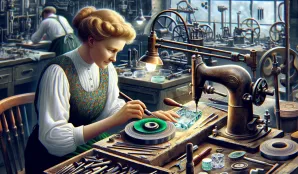
Edge grinder, glass salary
Latest available salary statistics are for 2025. Compare average pay, salary range and related job listings.
33 800 - 34 000 SEK / month
Hantverksyrken
Related tools
Salary progression Edge grinder, glass
What does a glass edge polisher do? – Tasks and work environment
A glass edge polisher works with processing and grinding edges on glass products to achieve the correct shape, safety, and aesthetics. Tasks include handling specialized grinding machines, measuring and quality control, and often simpler repairs. The role requires great precision, as glass is a fragile material where accuracy is crucial for the final result. The work environment is typically workshop-based, where protective gear and routines for handling glass are important to minimize the risk of accidents and injuries.
Salary development over time
The salary development for glass edge polishers has shown variations over the past three years. In 2022, the average salary was 34,382 SEK per month, increasing slightly to 30 900 SEK in 2023. In 2024, a decline has been noted, with an average salary of 34 000 SEK, which is approximately a 10.8% decrease compared to the previous year. This change may be due to several factors, including changing demand within the glass industry, increased competition from automated processes, or changes in collective agreements. Despite the variation, the salary remains at a stable level compared to related craft professions, but the trend emphasizes the importance for professionals to stay updated on industry developments and skill requirements.
Glass edge polisher, salary – comprehensive overview
- Average salary: 34 000 SEK/month
- Lowest/Highest salary: Data not available
- Hourly wage: 186 SEK
- Gender differences: Data not available
- Regional differences: Data not available
Education and qualifications
To work as a glass edge polisher, a high school education with a focus on crafts, glass, or industry is usually required. Practical experience through apprenticeships or on-the-job training is also common, where hands-on experience with machinery and materials is central. Employers often value documented experience and the ability to work carefully and safely. Further training and specialized courses can provide advantages for those looking to develop within the profession.
- High school education: Crafts program, glass specialization (3 years)
- Practical training/apprenticeship: Common and often decisive
- Certification courses: Possible in safe handling of glass and machinery
- Prerequisites: Good physical condition, precision, technical interest
- Further education: Courses in advanced glass processing can be advantageous
Working as a glass edge polisher requires not only technical skill but also an artistic sense of form and aesthetics. Many products are custom-made, which means each workday can present new challenges and creative solutions. It is a profession where craftsmanship meets modern technology in a unique way.
Common benefits and compensations
Common benefits for glass edge polishers include work clothing, wellness allowances, and sometimes educational support for skill development. Collective agreements often regulate overtime pay, vacation, and pension contributions. In some cases, subsidized meals or access to corporate health services are also offered.
Competition and challenges
The competition within the profession is moderate but increasing as automation and digital technology are introduced into the glass industry. One of the biggest challenges is maintaining high precision and quality in work, especially when production speed is high. Physical strain occurs, and the risk of work-related injuries is elevated due to handling heavy and sharp materials. Changing market conditions, such as economic fluctuations or decreased demand for specialized glass, can also affect employment opportunities. However, there remains a demand for skilled craftsmen, especially for advanced or custom projects.
Tips for those wanting to become a glass edge polisher
To succeed as a glass edge polisher, patience and meticulousness are important, as every detail influences the final result. Being technically interested makes it easier to learn new machinery and methods, while good physical health helps handle the physical challenges of the job. Flexibility is also key, as tasks can vary greatly from day to day. An eye for form and aesthetics helps create attractive products that meet customer wishes. Responsibility and following safety routines are crucial to minimize accident risks. Finally, curiosity and willingness to learn continuously are beneficial, as the industry is constantly evolving.
Key facts about Glass Edge Polisher
- Education level: High school diploma with craft specialization
- Work environment: Workshop and industry
- Employment type: Full-time or part-time
- Demand: 341 available jobs in the profession
- Special skills: Handling grinding machines and safety routines
Career paths and future prospects
After three to five years in the profession, a glass edge polisher can advance to more specialized roles, such as production manager, supervisor, or trainer in glass processing. There are also opportunities to deepen skills in advanced glass design or start a business in glass production and repair. According to the Swedish Public Employment Service, the future outlook is stable, with 341 available jobs in the field, indicating ongoing demand for skilled workers. Digitalization and technological development may change job tasks over time, making it important for professionals to continuously update their skills.
Common questions about Glass Edge Polisher
- What does a glass edge polisher earn?
- The average salary is 34 000 SEK per month. - What is the work environment like for a glass edge polisher?
- The work environment is workshop-based and involves handling machinery and safety equipment. - Is training required to become a glass edge polisher?
- Yes, a high school education with a focus on crafts or industry is recommended, along with practical training. - What benefits are common in the profession?
- Common benefits include work clothing, wellness allowances, and collective agreement compensations. - What are the future prospects for glass edge polishers?
- The outlook is stable with a large number of available jobs within the profession. - Are there opportunities for further education?
- Yes, there are courses and certifications in advanced glass processing and machinery technology. - Is part-time employment common?
- Yes, both full-time and part-time positions are common in the profession.

Salary distributed by age and sector
| Age | Base salary | Monthly salary | |
|---|---|---|---|
| Snitt | 33800 kr | 34000 kr |
| Age | Base salary | Monthly salary | |
|---|---|---|---|
| Snitt | 33800 kr | 34000 kr |
| Age | Base salary | Monthly salary | |
|---|---|---|---|
| Snitt | 33800 kr | 34000 kr |

About the data
All information displayed on this page is based on data from the Swedish Central Bureau of Statistics (SCB), the Swedish Tax Agency and the Swedish employment agency. Learn more about our data and data sources here.
All figures are gross salaries, meaning salaries before tax. The average salary, or mean salary, is calculated by adding up the total salary for all individuals within the profession and dividing it by the number of individuals. For specific job categories, we have also considered various criteria such as experience and education.
Profession Edge grinder, glass has the SSYK code 7319, which we use to match against the SCB database to obtain the latest salary statistics.
-

Production Staff Wanted at Svebab – Svenska Brandslangsfabriken AB
Musical instrument makers and other artisans
Fri, 10 Jul 2026 - 21:23 -

Engraver and Customer Receptionist at Vasaboden – Full-Time Temporary Position
Musical instrument makers and other artisans
Tue, 7 Jul 2026 - 09:01 -

Screen Printer for Sign Production in Tumba
Musical instrument makers and other artisans
Mon, 29 Jun 2026 - 23:45 -

Machine Operator for Glass Manufacturing in Limmared
Musical instrument makers and other artisans
Thu, 25 Jun 2026 - 22:17 -

Teacher in Wood and Metal Craft at Vasaskolan in Hedemora
Musical instrument makers and other artisans
Thu, 25 Jun 2026 - 21:44
Compare salary, work tasks and job outlook in adjacent occupations to find roles with similar skills or pay levels.
-

Cabin assistant, glass cabin salary
Average salary: 34 000 SEK/month • Hantverksyrken
Musical instrument makers and other artisans
Compare with Edge grinder, glass
Mon, 13 Jul 2026 - 18:19 -

Average salary: 34 200 SEK/month • Hantverksyrken
Fine, interior and furniture carpenters
Compare with Edge grinder, glass
Wed, 8 Jul 2026 - 18:06 -

Average salary: 34 000 SEK/month • Hantverksyrken
Musical instrument makers and other artisans
Compare with Edge grinder, glass
Tue, 14 Jul 2026 - 05:42 -

Average salary: 34 200 SEK/month • Hantverksyrken
Fine, interior and furniture carpenters
Compare with Edge grinder, glass
Mon, 13 Jul 2026 - 11:47 -

Average salary: 40 900 SEK/month • Hantverksyrken
Precision mechanics
Compare with Edge grinder, glass
Mon, 13 Jul 2026 - 14:21 -

Average salary: 34 000 SEK/month • Hantverksyrken
Musical instrument makers and other artisans
Compare with Edge grinder, glass
Tue, 14 Jul 2026 - 05:19


