- Salary statistics
- Jet burners, quarries salary
Jet burners, quarries salary
Latest available salary statistics are for 2025. Compare average pay, salary range and related job listings.
38 800 - 52 500 SEK / month
Women earn 84% of what men do.
Bygg & anläggning
Related tools
Salary progression Jet burners, quarries
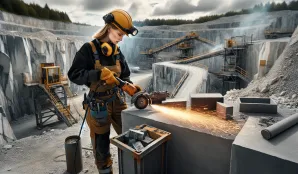
What does a jet burner in a quarry do? – Tasks and work environment
A jet burner in a quarry works with processing and breaking stone blocks using high-efficiency burners that generate extremely high temperatures. Tasks include planning and executing burner operations, handling specialized equipment, and monitoring safety routines in the often noisy and dusty quarry environment. The jet burner often collaborates with other specialists in stone extraction and is responsible for proper use and maintenance of machinery and equipment. The work environment can be physically demanding, with outdoor work in varying weather conditions and sometimes irregular hours depending on production needs.
Salary development over time
The salary for a jet burner in a quarry has shown clear fluctuations over the past three years. In 2022, the average salary was 42,900 SEK per month. In 2023, the salary increased significantly to 47 500 SEK, representing an increase of nearly 18%. Afterwards, the average salary decreased to 45 800 SEK in 2024, which can be interpreted as a market adjustment after the sharp rise the previous year. These variations can be explained by temporary changes in demand, availability of experienced jet burners, and economic factors in the construction and civil engineering industry. Salary levels are also affected by project volumes in the quarry industry and the specialized skills required for the profession.
Jet burner, quarry salary – comprehensive overview
- Average salary: 45 800 SEK/month
- Minimum/Maximum salary: Data not available
- Hourly wage: 286 SEK
- Gender differences: Men earn 46 200 SEK, salary data for women is unavailable
- Regional differences: No specific data available
Education and qualifications
The path to becoming a jet burner in a quarry often involves practical training in industry or construction, combined with specialized courses in burner technology and safety. The profession requires both theoretical understanding and practical skills in handling advanced equipment. Practical experience and good physical condition are important factors for success.
- High school education: Industrial/technical programs, 3 years
- Specialized courses: Burner technology, safety training
- Internship: Workplace-based internships are common
- Certifications: Some employers require hot work certificates
- Prerequisites: Often B-driving license and good physical health
Jet burners often work in teams where clear communication and collaboration are crucial for safety. A good ability to assess risks and make quick decisions is therefore a valuable asset in daily work.
Common benefits and compensations
Jet burners in quarries are often covered by collective agreements that provide access to occupational pensions, insurance, and overtime pay. Other common benefits may include wellness allowances, work clothing, extra vacation, and access to company health services. In some cases, bonuses are offered for larger projects or particularly risky tasks.
Competition and challenges
The job market for jet burners in quarries is characterized by a limited number of specialist roles, making competition for the most attractive positions intense. Technological development requires workers to continuously update their safety knowledge and machinery handling skills. Physically demanding work environments and high safety standards pose challenges that require endurance and precision. The lack of detailed labor market statistics makes it difficult to predict long-term trends, but the number of available jobs indicates ongoing demand for skilled jet burners. Those wishing to establish themselves in the profession need both technical skills and a strong safety mindset.
Tips for those wanting to become a jet burner in a quarry
To succeed as a jet burner in a quarry, it is important to be meticulous and have a strong safety awareness, as the work often involves handling powerful equipment and risky situations. Good physical condition facilitates heavy tasks and makes it easier to work in varying weather conditions. Being cooperative and communicative is important since the work is team-based and requires clear dialogue about safety and task distribution. It is recommended to take specialized courses in burner technology and hot work, as well as seek internships or trainee positions to gain practical experience. Flexibility and problem-solving skills are valued, especially when unexpected situations arise. Staying updated on new techniques and safety regulations provides a competitive edge. Finally, demonstrating responsibility and the ability to work independently under pressure is a significant advantage.
Key facts about jet burners in quarries
- Education level: High school diploma (industry/technology) + specialized courses
- Work environment: Physically demanding, outdoors in quarries
- Typical employment type: Full-time, often covered by collective agreements
- Demand: 378 job openings within the profession
- Special skills: Burner technology and safety procedures
Career paths and future prospects
After three to five years as a jet burner in a quarry, there are opportunities to take on more advanced roles, such as supervisor, safety officer, or specialist in machinery maintenance. Skills in project management and work environment safety can also open doors to new positions within the mining and construction industries. According to the Employment Service, detailed forecasts for this specialization are lacking, but the large number of job openings indicates continued demand for skilled jet burners. Technological advancements may change work tasks over time, but the need for experienced professionals is expected to persist.
Frequently asked questions about jet burners in quarries
- What does a jet burner in a quarry earn?
- The average salary is 45 800 SEK per month according to current statistics. - What education is required to become a jet burner?
- High school education in industry/technology and specialized courses in burner technology and safety are recommended. - What does the work environment look like?
- The work environment is outdoors, physically demanding, and often involves working with heavy machinery and high safety standards. - Are there regional salary differences?
- Specific information about regional differences is lacking, but salaries can generally vary depending on the workplace and demand. - What are the future prospects?
- No specific forecast for the role, but there are 378 job openings in the profession according to the latest data. - What personal qualities are important?
- Attention to detail, responsibility, physical strength, and teamwork skills are key qualities.

Salary distributed by age and sector
| Age | Base salary | Monthly salary | |
|---|---|---|---|
| 18-24 | 36900 kr | 41600 kr | |
| 25-34 | 39200 kr | 44900 kr | |
| 35-44 | 43000 kr | 50000 kr | |
| 45-54 | 42900 kr | 47500 kr | |
| 55-64 | 42400 kr | 44200 kr | |
| Snitt | 84% | 40600 kr | 45800 kr |
| Age | Base salary | Monthly salary | |
|---|---|---|---|
| 18-24 | 36900 kr | 41600 kr | |
| 25-34 | 39200 kr | 44900 kr | |
| 35-44 | 43000 kr | 50000 kr | |
| 45-54 | 42900 kr | 47500 kr | |
| 55-64 | 42400 kr | 44200 kr | |
| Snitt | 84% | 40600 kr | 45800 kr |
| Age | Base salary | Monthly salary | |
|---|---|---|---|
| 18-24 | 36900 kr | 41600 kr | |
| 25-34 | 39200 kr | 44900 kr | |
| 35-44 | 43000 kr | 50000 kr | |
| 45-54 | 42900 kr | 47500 kr | |
| 55-64 | 42400 kr | 44200 kr | |
| Snitt | 84% | 40600 kr | 45800 kr |
| Age | Base salary | Monthly salary | |
|---|---|---|---|
| 18-24 | 36900 kr | 41800 kr | |
| 25-34 | 39600 kr | 45700 kr | |
| 35-44 | 43200 kr | 50300 kr | |
| 45-54 | 42900 kr | 47500 kr | |
| 55-64 | 42300 kr | 44100 kr | |
| Snitt | 84% | 40900 kr | 46200 kr |
| Age | Base salary | Monthly salary | |
|---|---|---|---|
| 18-24 | 36900 kr | 41800 kr | |
| 25-34 | 39600 kr | 45700 kr | |
| 35-44 | 43200 kr | 50300 kr | |
| 45-54 | 42900 kr | 47500 kr | |
| 55-64 | 42300 kr | 44100 kr | |
| Snitt | 84% | 40900 kr | 46200 kr |
| Age | Base salary | Monthly salary | |
|---|---|---|---|
| 18-24 | 36900 kr | 41800 kr | |
| 25-34 | 39600 kr | 45700 kr | |
| 35-44 | 43200 kr | 50300 kr | |
| 45-54 | 42900 kr | 47500 kr | |
| 55-64 | 42300 kr | 44100 kr | |
| Snitt | 84% | 40900 kr | 46200 kr |
| Age | Base salary | Monthly salary | |
|---|---|---|---|
| Snitt | 84% | 36400 kr | 38800 kr |
| Age | Base salary | Monthly salary | |
|---|---|---|---|
| Snitt | 84% | 36400 kr | 38800 kr |
| Age | Base salary | Monthly salary | |
|---|---|---|---|
| Snitt | 84% | 36400 kr | 38800 kr |

About the data
All information displayed on this page is based on data from the Swedish Central Bureau of Statistics (SCB), the Swedish Tax Agency and the Swedish employment agency. Learn more about our data and data sources here.
All figures are gross salaries, meaning salaries before tax. The average salary, or mean salary, is calculated by adding up the total salary for all individuals within the profession and dividing it by the number of individuals. For specific job categories, we have also considered various criteria such as experience and education.
Profession Jet burners, quarries has the SSYK code 8111, which we use to match against the SCB database to obtain the latest salary statistics.
-
Heat Treatment Operator – Rock Drilling Tools, Fagersta
Miners and quarry workers
Fri, 10 Jul 2026 - 20:53 -
Seeking Young and Driven Person for Rock Technology and Climbing in Dalsland
Miners and quarry workers
Sat, 4 Jul 2026 - 01:36


Compare salary, work tasks and job outlook in adjacent occupations to find roles with similar skills or pay levels.
-

Armor, construction and civil engineering salary
Average salary: 40 500 SEK/month • Bygg & anläggning
Concrete workers
Compare with Jet burners, quarries
Tue, 14 Jul 2026 - 11:01 -

Average salary: 40 400 SEK/month • Bygg & anläggning
Construction workers
Compare with Jet burners, quarries
Tue, 14 Jul 2026 - 08:29 -

Average salary: 36 700 SEK/month • Bygg & anläggning
Construction machine operators etc.
Compare with Jet burners, quarries
Tue, 14 Jul 2026 - 08:16 -

Demolition worker, machine operator salary
Average salary: 36 700 SEK/month • Bygg & anläggning
Construction machine operators etc.
Compare with Jet burners, quarries
Tue, 14 Jul 2026 - 13:07 -

Average salary: 45 800 SEK/month • Bygg & anläggning
Miners and quarry workers
Compare with Jet burners, quarries
Tue, 14 Jul 2026 - 13:38 -

Average salary: 39 200 SEK/month • Bygg & anläggning
Crane operators etc.
Compare with Jet burners, quarries
Mon, 13 Jul 2026 - 18:20


