- Salary statistics
- Ice sculptor salary
Ice sculptor salary
Latest available salary statistics are for 2025. Compare average pay, salary range and related job listings.
43 692 - 41 986 SEK / month
Kultur, media, design
Related tools
Salary progression Ice sculptor
What does an ice sculptor do? – Tasks and work environment
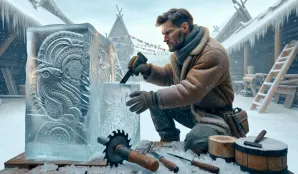
An ice sculptor creates artworks and installations from ice, often for events, festivals, hotels, or public spaces. Tasks include everything from designing and planning sculptures to sawing, chipping, and shaping large blocks of ice with specialized tools. The work is often outdoors or in cold storage environments, which places special demands on equipment and clothing. Ice sculptors often collaborate with other artists and technicians, especially on larger projects, and must be able to work efficiently under time pressure and in varying weather conditions.
Salary development over time
The salary for ice sculptors has shown a steady increase over the past three years. In 2022, the average salary was 36,200 SEK per month. In 2023, it increased to 39 779 SEK, representing an increase of about 6%. In 2024, the average salary further increased to 41 986 SEK per month, which is an additional rise of just over 3.5% from the previous year. This trend reflects a growing demand for specialized artistic professions, especially within event management and tourism, where ice sculptures have become popular attractions. Salary development is also influenced by factors such as experience, project size, and geographic location, but the overall trend is positive for the profession.
Ice sculptor salary – comprehensive overview
- Average salary: 41 986 SEK/month
- Lowest/Highest salary: Data not available
- Hourly wage: 239 SEK
- Gender differences: No specific statistics available
- Regional differences: No detailed statistics available
Education and qualifications
The path to becoming an ice sculptor often involves artistic education, preferably with a focus on sculpture or crafts. Formal education in visual arts or applied arts can provide a good foundation, but many ice sculptors develop their skills through practice, courses, and self-study. Practical experience is especially valuable, as the work requires high technical skill and material knowledge.
- Formal education: Artistic training (2–4 years), often at folk high schools or universities
- Short courses: Specialized courses in ice sculpting, often organized by industry organizations or events
- Internships: Apprenticeships or internships on larger projects
- Prerequisites: Experience in sculpture, crafts, or visual arts is advantageous
- Self-study: Personal projects and portfolio building are common
Ice sculptors often work in teams where each member has different specializations, such as lighting or construction. This collaboration is crucial for creating larger and more complex sculptures that are successful and safe for the public to view.
Common benefits and compensations
In addition to salary, ice sculptors are often compensated for travel and accommodation related to assignments, especially for international or long-term projects. Many also gain access to specialized equipment, protective clothing, and sometimes further training in new techniques or materials. For larger events, fees and bonuses may be offered, along with opportunities to collaborate on artistic exhibitions and displays.
Competition and challenges
The profession of ice sculptor is niche, and competition for larger projects can be fierce, especially during the winter months when demand peaks. Since the work is seasonal and often project-based, flexibility and the ability to manage periods of high and low workload are essential. Challenges include working in cold conditions and under time pressure, as well as continuously developing artistic skills to meet new trends and client demands. Networking and visibility on the market are critical for securing new assignments.
Tips for aspiring ice sculptors
To succeed as an ice sculptor, it is important to combine technical skills with artistic creativity and precision. Being resilient and able to handle stress facilitates work, especially on large or time-critical projects where the sculpture must be finished quickly. A curious and problem-solving approach is valuable, as unexpected challenges often arise when working with ice as a material. Building a strong portfolio and showcasing your work, for example on social media or exhibitions, increases chances of getting assignments. Collaboration skills are also important since larger projects often involve multiple roles, and ongoing education in new techniques helps stay competitive. Finally, it is crucial to enjoy working outdoors and in cold environments.
Key facts about Ice Sculptors
- Education level: Artistic education, often 2–4 years
- Work environment: Outdoors, cold environments, project-based
- Typical employment: Seasonal and project-based contracts
- Demand: Highest during winter and at events
- Special skills: Handling ice, artistic design, tool management
Career paths and future prospects
After three to five years in the profession, many ice sculptors have the opportunity to take on larger and more prestigious assignments, both nationally and internationally. Career development can also include project management, teaching, or specialization in areas such as lighting or installation techniques. According to the Swedish Employment Agency's forecast for visual artists, including ice sculptors, detailed assessments are lacking due to limited data. The profession is small and competitive, but there is a growing interest in artistic installations at events and festivals. In 2024, there were 620 job openings within the visual arts field, indicating some movement and opportunities for established practitioners.
Frequently asked questions about Ice Sculptors
- What does an ice sculptor earn?
- An ice sculptor has an average salary of 41 986 SEK per month and an hourly wage of 239 SEK. - What education is required to become an ice sculptor?
- An artistic education with a focus on sculpture or crafts is recommended, often 2–4 years at college or folk high school. - What does the job market look like for ice sculptors?
- The market is niche, and competition for larger assignments is high, but there are periodically up to 620 job openings within relevant occupational groups. - What are the working environment requirements for ice sculptors?
- Work is often outdoors or in cold environments, requiring good physical condition and appropriate protective gear. - Are there regional salary differences for ice sculptors?
- There is no detailed statistics available on regional differences for ice sculptors. - What personal qualities are important?
- Creativity, resilience, teamwork skills, and problem-solving abilities are particularly valuable.

Salary distributed by age and sector

About the data
All information displayed on this page is based on data from the Swedish Central Bureau of Statistics (SCB), the Swedish Tax Agency and the Swedish employment agency. Learn more about our data and data sources here.
All figures are gross salaries, meaning salaries before tax. The average salary, or mean salary, is calculated by adding up the total salary for all individuals within the profession and dividing it by the number of individuals. For specific job categories, we have also considered various criteria such as experience and education.
Profession Ice sculptor has the SSYK code 2651, which we use to match against the SCB database to obtain the latest salary statistics.


Compare salary, work tasks and job outlook in adjacent occupations to find roles with similar skills or pay levels.
-

Average salary: 42 300 SEK/month • Kultur, media, design
Image and broadcast technicians
Compare with Ice sculptor
Tue, 14 Jul 2026 - 16:17 -
Average salary: 41 986 SEK/month • Kultur, media, design
Visual artists etc.
Compare with Ice sculptor
Tue, 14 Jul 2026 - 16:31 -

Average salary: 47 400 SEK/month • Kultur, media, design
Musicians, singers and composers
Compare with Ice sculptor
Tue, 14 Jul 2026 - 19:02 -

Average salary: 39 900 SEK/month • Kultur, media, design
Interior designers, decorators and scenographers etc.
Compare with Ice sculptor
Tue, 14 Jul 2026 - 10:07 -

Average salary: 38 900 SEK/month • Kultur, media, design
Librarians and archivists
Compare with Ice sculptor
Tue, 14 Jul 2026 - 10:06 -

Average salary: 38 500 SEK/month • Kultur, media, design
Photographers
Compare with Ice sculptor
Tue, 14 Jul 2026 - 14:13


