- Salary statistics
- Planer, metal salary
Planer, metal salary
Latest available salary statistics are for 2025. Compare average pay, salary range and related job listings.
39 500 - 40 800 SEK / month
Women earn 99% of what men do.
Industriell tillverkning
Related tools
Salary progression Planer, metal
What does a metal drawworker do – tasks and work environment
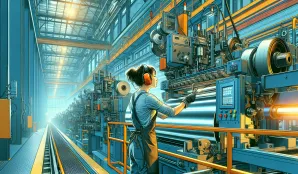
A metal drawworker primarily works with processing and shaping metal wire or strips into desired lengths, shapes, and dimensions. The profession involves monitoring and controlling machines that draw, spin, or wind the metal into coils or rolls. Other tasks may include quality control, machine maintenance, and troubleshooting. The work environment is usually industrial, meaning work in large production halls with high noise levels and sometimes varying temperatures. A good understanding of safety procedures is essential, as the work is performed near heavy machinery and moving parts.
Salary development over time
Metal drawworkers have experienced a stable and positive salary growth in recent years. In 2022, the average salary was 36,300 SEK per month, increasing to 39 800 SEK in 2023 and further to 40 100 SEK in 2024. The total increase over the period amounts to approximately 9.6 % over three years, which is slightly above the industry average. The salary increase can partly be explained by increased demand for skilled labor in the metal industry, as well as increased technical complexity in the tasks. The market has also been influenced by retirements and a general shortage of experienced operators, strengthening salary development for drawworkers.
Metal drawworker salary – comprehensive overview
- Average salary: 40 100 SEK/month
- Lowest salary: 38,100 SEK/month (female, pre-secondary education)
- Highest salary: 41,000 SEK/month (female, regional sector, high school education up to 2 years)
- Hourly wage: 239 SEK/hour (average, hourly worker)
- Gender differences: Women earn 39 700 SEK/month, men 39900 SEK/month (women 99 % of men's salary)
- Regional differences: Highest salaries are found in the regional sector, with variations between sectors and education levels
Education and qualifications
To work as a metal drawworker, a high school education focusing on industry, technology, or production is usually required. Many employers seek practical experience in machine and process work, but in-house training is common, and some employers offer trainee positions. Certain specializations may require certifications in machine safety or quality systems.
- Formal education: High school diploma, preferably with a focus on industrial technology (3 years)
- Certifications: Machine safety, quality assurance (e.g., ISO standards)
- Practical training: On-the-job learning during education or trainee programs
- Prerequisites: Basic mathematics and technical interest
- Tips: Vocational training via Komvux or YH (Yrkeshögskola) can be a pathway for adults
A person working as a metal drawworker often needs a good sense of detail and precision, as even small deviations in the process can affect the quality of the final product. The work often involves collaboration with other professionals, such as maintenance technicians and quality engineers, making communication skills a valuable trait.
Common benefits and compensations
Metal drawworkers are often offered collective agreement benefits such as occupational pension, insurance, and extra vacation days. Shift work can provide additional allowances, and many employers offer wellness contributions. Other common benefits include work clothing, subsidized meals, and opportunities for further training.
Competition and challenges
The job market for metal drawworkers is characterized by some competition, especially in regions with a strong metal industry presence. Although there are over 1,400 job openings in the profession, requirements for technical skills and experience can limit access for beginners. Challenges in the profession include handling advanced machinery and constantly following safety regulations. The physical environment can be demanding, with monotonous tasks and shift work. Technological changes and automation require ongoing training and adaptability to remain competitive in the job market.
Tips for those who want to become a metal drawworker
To succeed as a metal drawworker, it is beneficial to combine precision with technical interest and a willingness to learn new processes. An open mind for further education and an analytical approach make it easier to understand and adjust machine settings. Practical problem-solving skills are valuable when unexpected deviations occur, and good communication skills facilitate collaboration with colleagues in production and maintenance. Being resilient and stress-tolerant is also an advantage, especially during shift work and high-paced environments. Taking initiative for further training or showing interest in new technologies can lead to greater responsibility and better career opportunities within a company.
Key facts about Metal Drawworkers
- Education level: High school diploma, industrial/technical focus
- Work environment: Industrial hall, shift work common
- Average salary: 40 100 SEK/month (2024)
- Demand: 1,437 job openings in the occupational group
- Special skills: Machine handling, process monitoring
Career paths and future outlook
After three to five years as a metal drawworker, there are opportunities to advance to leadership roles such as team leader, supervisor, or process manager within production. Experienced drawworkers often move on to roles in quality assurance, maintenance, or training new operators. The Swedish Public Employment Service's forecasts for machine and process operators in steel and metal plants indicate some uncertainty about future prospects, as the industry is affected by economic cycles and technological development. Nevertheless, the number of job openings shows good demand, especially for those willing to further educate themselves and adapt to new technical requirements.
Frequently asked questions about Metal Drawworkers
- What does a metal drawworker earn?
- The average salary is 40 100 SEK per month, with an hourly wage of 239 SEK. - Are there differences between men's and women's salaries?
- Yes, women earn 39 700 SEK on average, which is 99 % of men's salaries. - What education is required to become a metal drawworker?
- High school education with a focus on industry or technology is recommended, often supplemented with practical training. - What is the work environment like for metal drawworkers?
- Work takes place in industrial halls, often with shift work and high safety standards. - Are there many job openings in the profession?
- Yes, approximately 1,437 job openings are available according to recent data. - What are common benefits?
- Occupational pension, insurance, shift allowances, and wellness contributions are typical. - What are the future prospects for the profession?
- The outlook is uncertain, but demand remains stable thanks to technological development and retirements.

Salary distributed by age and sector
| Age | Base salary | Monthly salary | |
|---|---|---|---|
| 18-24 | 102% | 31800 kr | 37200 kr |
| 25-34 | 99% | 34500 kr | 39500 kr |
| 35-44 | 100% | 35700 kr | 40300 kr |
| 45-54 | 97% | 36500 kr | 41000 kr |
| 55-64 | 98% | 36600 kr | 40800 kr |
| Snitt | 99% | 35500 kr | 40100 kr |
| Age | Base salary | Monthly salary | |
|---|---|---|---|
| 18-24 | 102% | 31800 kr | 37200 kr |
| 25-34 | 99% | 34500 kr | 39500 kr |
| 35-44 | 100% | 35700 kr | 40300 kr |
| 45-54 | 97% | 36500 kr | 41000 kr |
| 55-64 | 98% | 36600 kr | 40800 kr |
| Snitt | 99% | 35500 kr | 40100 kr |
| Age | Base salary | Monthly salary | |
|---|---|---|---|
| 18-24 | 102% | 31800 kr | 37200 kr |
| 25-34 | 99% | 34500 kr | 39500 kr |
| 35-44 | 100% | 35700 kr | 40300 kr |
| 45-54 | 97% | 36500 kr | 41000 kr |
| 55-64 | 98% | 36600 kr | 40800 kr |
| Snitt | 99% | 35500 kr | 40100 kr |
| Age | Base salary | Monthly salary | |
|---|---|---|---|
| 18-24 | 102% | 31700 kr | 37000 kr |
| 25-34 | 99% | 34500 kr | 39500 kr |
| 35-44 | 100% | 35800 kr | 40300 kr |
| 45-54 | 97% | 36600 kr | 41200 kr |
| 55-64 | 98% | 36700 kr | 40900 kr |
| Snitt | 99% | 35600 kr | 40200 kr |
| Age | Base salary | Monthly salary | |
|---|---|---|---|
| 18-24 | 102% | 31700 kr | 37000 kr |
| 25-34 | 99% | 34500 kr | 39500 kr |
| 35-44 | 100% | 35800 kr | 40300 kr |
| 45-54 | 97% | 36600 kr | 41200 kr |
| 55-64 | 98% | 36700 kr | 40900 kr |
| Snitt | 99% | 35600 kr | 40200 kr |
| Age | Base salary | Monthly salary | |
|---|---|---|---|
| 18-24 | 102% | 31700 kr | 37000 kr |
| 25-34 | 99% | 34500 kr | 39500 kr |
| 35-44 | 100% | 35800 kr | 40300 kr |
| 45-54 | 97% | 36600 kr | 41200 kr |
| 55-64 | 98% | 36700 kr | 40900 kr |
| Snitt | 99% | 35600 kr | 40200 kr |
| Age | Base salary | Monthly salary | |
|---|---|---|---|
| 18-24 | 102% | 31900 kr | 37900 kr |
| 25-34 | 99% | 34700 kr | 39300 kr |
| 35-44 | 100% | 35400 kr | 40300 kr |
| 45-54 | 97% | 35700 kr | 39800 kr |
| 55-64 | 98% | 36000 kr | 40000 kr |
| Snitt | 99% | 35000 kr | 39700 kr |
| Age | Base salary | Monthly salary | |
|---|---|---|---|
| 18-24 | 102% | 31900 kr | 37900 kr |
| 25-34 | 99% | 34700 kr | 39300 kr |
| 35-44 | 100% | 35400 kr | 40300 kr |
| 45-54 | 97% | 35700 kr | 39800 kr |
| 55-64 | 98% | 36000 kr | 40000 kr |
| Snitt | 99% | 35000 kr | 39700 kr |
| Age | Base salary | Monthly salary | |
|---|---|---|---|
| 18-24 | 102% | 31900 kr | 37900 kr |
| 25-34 | 99% | 34700 kr | 39300 kr |
| 35-44 | 100% | 35400 kr | 40300 kr |
| 45-54 | 97% | 35700 kr | 39800 kr |
| 55-64 | 98% | 36000 kr | 40000 kr |
| Snitt | 99% | 35000 kr | 39700 kr |

About the data
All information displayed on this page is based on data from the Swedish Central Bureau of Statistics (SCB), the Swedish Tax Agency and the Swedish employment agency. Learn more about our data and data sources here.
All figures are gross salaries, meaning salaries before tax. The average salary, or mean salary, is calculated by adding up the total salary for all individuals within the profession and dividing it by the number of individuals. For specific job categories, we have also considered various criteria such as experience and education.
Profession Planer, metal has the SSYK code 8129, which we use to match against the SCB database to obtain the latest salary statistics.
-

Pipe Cutter Operator for Production in Halmstad
Other machine and process operators, steel and metal
Fri, 10 Jul 2026 - 21:17 -

Industrial and Production Assignments in Vimmerby – Lernia
Other machine and process operators, steel and metal
Thu, 9 Jul 2026 - 21:13 -
Operator for Glue Department – Nord-Lock Group
Other machine and process operators, steel and metal
Thu, 9 Jul 2026 - 02:31 -

Operator for Production Company in Falkenberg
Other machine and process operators, steel and metal
Thu, 9 Jul 2026 - 01:25 -

Production Operator near Borås
Other machine and process operators, steel and metal
Wed, 8 Jul 2026 - 00:08
Compare salary, work tasks and job outlook in adjacent occupations to find roles with similar skills or pay levels.
-

Window fitter, manufacturing salary
Average salary: 34 400 SEK/month • Industriell tillverkning
Assemblers, wood products
Compare with Planer, metal
Mon, 13 Jul 2026 - 20:16 -

Average salary: 39 900 SEK/month • Industriell tillverkning
Machine operators, pharmaceutical products
Compare with Planer, metal
Mon, 13 Jul 2026 - 13:46 -

Average salary: 40 300 SEK/month • Industriell tillverkning
Machine operators, paper goods industry
Compare with Planer, metal
Sat, 11 Jul 2026 - 17:51 -

Machine operator, food industry, tea, coffee, cocoa salary
Average salary: 33 700 SEK/month • Industriell tillverkning
Other machine operators, food industry etc.
Compare with Planer, metal
Tue, 14 Jul 2026 - 04:42 -

Average salary: 32 200 SEK/month • Industriell tillverkning
Other machine operators, textile, leather and leather industry
Compare with Planer, metal
Mon, 6 Jul 2026 - 15:34 -

Average salary: 34 700 SEK/month • Industriell tillverkning
Machine carpenters and machine operators, wood industry
Compare with Planer, metal
Tue, 14 Jul 2026 - 01:43


