- Salary statistics
- Glass cutter, glassworks salary
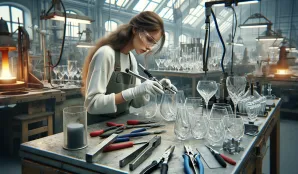
Glass cutter, glassworks salary
Latest available salary statistics are for 2025. Compare average pay, salary range and related job listings.
33 800 - 34 000 SEK / month
Hantverksyrken
Related tools
Salary progression Glass cutter, glassworks
What does a glass cutter do in a glassworks? – Tasks and work environment
A glass cutter in a glassworks works with measuring, marking, and cutting glass according to precise measurements and specifications. The work is often performed in close collaboration with other craftsmen and machine operators in production environments where both manual and mechanical methods are used. The glass cutter is responsible for handling various types of glass, from window and industrial glass to art glass, ensuring the finished product maintains high quality. The work environment is characterized by precision, high safety standards, and sometimes high temperatures, especially near melting furnaces and cutting machines.
Salary development over time
The salary for a glass cutter in a glassworks has varied over the past three years. In 2022, the average salary was 34,382 SEK per month, while in 2023 it increased slightly to 30 900 SEK. In 2024, however, a decline was noted to 34 000 SEK per month, corresponding to a decrease of about 10.9% compared to the previous year. This change may be due to several factors, such as economic conditions, shifts in demand for craft professions, and potentially a higher proportion of new hires with lower starting salaries in the industry. Despite the decline, the profession remains in demand within art crafts and specialized production, but salary levels have been affected by market fluctuations and industry development.
Glass cutter in a glassworks salary – comprehensive overview
- Average salary: 34 000 SEK/month
- Lowest/Highest salary: Data not available
- Hourly wage: 186 SEK/hour
- Gender differences: Data not available
- Regional differences: Data not available
Education and qualifications
To work as a glass cutter in a glassworks, a high school education in crafts is usually required, especially with a focus on glass or art crafts. Many employers prefer that applicants have relevant internships or experience from similar production environments. Special courses and internal training are common and can be crucial for learning the specific techniques and machines used at the workplace.
- High school education: Craft program with a focus on glass (3 years)
- Internships: Work-based learning (APL) is strongly recommended
- Special courses: Glass processing and machine handling
- Prerequisites: Precision, good vision, and technical interest
- Trainee or apprenticeship period: Common in larger glassworks
Glass cutters in glassworks often work with traditional tools and techniques handed down through generations, but modern glassworks combine this craft with advanced technology and machinery. Patience and attention to detail are crucial for success in the profession.
Common benefits and compensations
Glass cutters in glassworks are often offered collective agreement benefits such as occupational pension, insurance, and paid breaks. Other common benefits can include work clothing, wellness allowances, and opportunities for skill development through courses and training paid for by the employer.
Competitions and challenges
The profession of glass cutter in a glassworks has a relatively limited job market, as the number of glassworks in Sweden is small and many positions are concentrated in certain regions. Competition for positions can therefore be fierce, especially for the most attractive glassworks with strong brands. Technical changes and automation also mean that some tasks may be replaced by machines, which requires continuous skill development. At the same time, craftsmanship is highly valued, and those who can combine traditional skills with modern technology have good prospects to stand out in the job market.
Tips for those who want to become a glass cutter in a glassworks
To succeed as a glass cutter in a glassworks, it is good to have a genuine interest in craftsmanship and aesthetics, as the profession requires both precision and artistic sense. Being meticulous and patient is crucial when working with delicate materials and precise measurements, while technical interest helps you quickly learn new machines and methods. Seek internships or summer jobs at glassworks to gain insight into the work environment and make contacts in the industry. Show engagement and willingness to learn from experienced colleagues, as much knowledge is transferred directly at the workplace. Flexibility and teamwork skills are important, especially when part of a team working towards common deadlines. Finally, the ability to work independently and take responsibility for delivering high quality in every step is an advantage.
Key facts about glass cutters in a glassworks
- Education level: High school education in crafts recommended
- Work environment: Industrial and craft-oriented, often near machines and furnaces
- Typical work form: Full-time and shift work occur
- Demand: 341 available jobs in the profession according to current statistics
- Special skills: Cutting techniques and material knowledge
Career paths and future prospects
After three to five years as a glass cutter in a glassworks, there are opportunities to advance to more specialized roles, such as supervisor, production manager, or trainer in glass processing. For those with a strong interest in design, further education in design or art crafts can open doors to roles as art glassmakers or product developers. According to the Swedish Public Employment Service, demand for the profession remains stable, although the number of workplaces is limited. Specialized skills and experience with new techniques particularly enhance opportunities for continued career development within the industry.
Frequently asked questions about glass cutters in glassworks
- What does a glass cutter earn in a glassworks?
- The average salary is 34 000 SEK per month in 2024. - What is the hourly wage for a glass cutter?
- The hourly wage is 186 SEK, based on 166 working hours per month. - What education is required to become a glass cutter?
- High school education in crafts, preferably with a focus on glass, and internships are recommended. - Are there many jobs as a glass cutter?
- There are 341 available jobs in the profession according to current statistics. - What personal qualities are important?
- Attention to detail, patience, and technical interest are especially valued. - Does a glass cutter work mostly independently or in a team?
- The work is carried out both independently and with others, depending on the project and workplace.

Salary distributed by age and sector
| Age | Base salary | Monthly salary | |
|---|---|---|---|
| Snitt | 33800 kr | 34000 kr |
| Age | Base salary | Monthly salary | |
|---|---|---|---|
| Snitt | 33800 kr | 34000 kr |
| Age | Base salary | Monthly salary | |
|---|---|---|---|
| Snitt | 33800 kr | 34000 kr |

About the data
All information displayed on this page is based on data from the Swedish Central Bureau of Statistics (SCB), the Swedish Tax Agency and the Swedish employment agency. Learn more about our data and data sources here.
All figures are gross salaries, meaning salaries before tax. The average salary, or mean salary, is calculated by adding up the total salary for all individuals within the profession and dividing it by the number of individuals. For specific job categories, we have also considered various criteria such as experience and education.
Profession Glass cutter, glassworks has the SSYK code 7319, which we use to match against the SCB database to obtain the latest salary statistics.
-

Production Staff Wanted at Svebab – Svenska Brandslangsfabriken AB
Musical instrument makers and other artisans
Fri, 10 Jul 2026 - 21:23 -

Engraver and Customer Receptionist at Vasaboden – Full-Time Temporary Position
Musical instrument makers and other artisans
Tue, 7 Jul 2026 - 09:01 -

Screen Printer for Sign Production in Tumba
Musical instrument makers and other artisans
Mon, 29 Jun 2026 - 23:45 -

Machine Operator for Glass Manufacturing in Limmared
Musical instrument makers and other artisans
Thu, 25 Jun 2026 - 22:17 -

Teacher in Wood and Metal Craft at Vasaskolan in Hedemora
Musical instrument makers and other artisans
Thu, 25 Jun 2026 - 21:44
Compare salary, work tasks and job outlook in adjacent occupations to find roles with similar skills or pay levels.
-

Decorative painter, signage salary
Average salary: 34 000 SEK/month • Hantverksyrken
Musical instrument makers and other artisans
Compare with Glass cutter, glassworks
Tue, 14 Jul 2026 - 10:58 -

Average salary: 34 100 SEK/month • Hantverksyrken
Leather craftsmen and shoemakers
Compare with Glass cutter, glassworks
Sat, 11 Jul 2026 - 05:25 -

Average salary: 33 100 SEK/month • Hantverksyrken
Tailors and atelier seamstresses etc.
Compare with Glass cutter, glassworks
Tue, 14 Jul 2026 - 12:39 -

Average salary: 34 100 SEK/month • Hantverksyrken
Leather craftsmen and shoemakers
Compare with Glass cutter, glassworks
Tue, 14 Jul 2026 - 07:12 -

Average salary: 40 900 SEK/month • Hantverksyrken
Precision mechanics
Compare with Glass cutter, glassworks
Mon, 13 Jul 2026 - 18:19 -

Average salary: 34 000 SEK/month • Hantverksyrken
Musical instrument makers and other artisans
Compare with Glass cutter, glassworks
Tue, 14 Jul 2026 - 14:06


