- Salary statistics
- Vehicle electrician salary
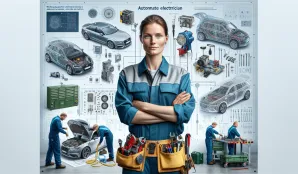
Vehicle electrician salary
Latest available salary statistics are for 2025. Compare average pay, salary range and related job listings.
38 500 - 47 700 SEK / month
Women earn 93% of what men do.
Installation & drift/underhåll
Related tools
Salary progression Vehicle electrician
What does a vehicle electrician do? – Tasks and work environment
A vehicle electrician works with installation, repair, and maintenance of electrical systems in vehicles such as cars, trucks, construction machinery, and sometimes trains or special vehicles. Common tasks include troubleshooting electrical systems, installing electrical components, as well as programming and calibrating control systems. The profession involves using both traditional tools and advanced diagnostic equipment, and the work environment can vary from workshops and service halls to outdoor work on machines or vehicles in the field. The job requires great precision, technical interest, and the ability to quickly solve problems when electrical faults occur.
Salary development over time
The salary for a vehicle electrician has shown steady growth over the past three years. In 2022, the average salary was 36,800 SEK per month, which increased to 39 700 in 2023, and now reaches 41 000 in 2024. This corresponds to an increase of approximately 7.9% over the period. The positive trend can largely be explained by increased demand for specialized skills in vehicle electronics, especially with the electrification of vehicle fleets and technological advances in the transport sector. The industry’s need for qualified electricians drives up salary levels, while educational requirements and experience levels among the workforce continue to rise.
Vehicle electrician salary – complete overview
- Average salary: 41 000 SEK/month
- Lowest salary: 35,300 SEK/month (women), 37,200 SEK/month (men)
- Highest salary: 44,700 SEK/month (men), 35,500 SEK/month (women)
- Hourly wage: 239 SEK
- Gender difference: Women earn 93% of what men do
- Regional differences: Salary variations may occur depending on region and employer
Education and qualifications
To work as a vehicle electrician, a vocational education in automotive or electrical engineering is usually required, often through high school programs such as the automotive and transport program or the electrical and energy program. Some employers also value supplementary courses and certificates in electronics and electrical systems, especially for work with modern vehicles. Practical experience through internships or apprenticeships is highly meritorious and often a requirement for employment.
- High school education: Automotive and transport program or Electrical and energy program (3 years)
- Certifications: Additional courses in vehicle electronics or electrical engineering can be advantageous
- Practical training: Apprenticeship or internship during education is often a requirement
- Prerequisites: Interest in technology and problem-solving, with good grades in core subjects
- Further education: Opportunities for further specialization, e.g., in electric vehicles or advanced control systems
Vehicle electricians are among the professions where technological development is most noticeable, especially through the electrification of vehicles and the increase of digital control systems. This entails constant new challenges and opportunities for specialization, making the profession both varied and future-oriented.
Common benefits and compensations
Among the most common benefits for vehicle electricians are occupational pension, wellness allowance, work clothes, and sometimes bonus programs linked to performance or company results. Many employers also offer further training, subsidized lunches, or travel allowances for work outside regular workplaces.
Challenges and competition
The profession of vehicle electrician is characterized by relatively high demand, but competition can vary depending on region and specialization level. The technological development within the automotive industry imposes high demands on continuous skills development, especially in areas like electric vehicles and advanced control systems. An additional challenge is the ability to quickly adapt to new technical solutions and standards, which requires flexibility and curiosity. The work environment can sometimes be physically demanding and involve working under pressure, especially during urgent repairs. A shortage of experienced electricians can also be advantageous for recent graduates in the field.
Tips for those who want to become a vehicle electrician
To succeed as a vehicle electrician, it is good to combine technical interest with a problem-solving attitude. Being precise and systematic makes troubleshooting complex electrical systems easier, while good communication skills facilitate cooperation with colleagues and customers. Flexibility and willingness to learn new things are crucial, as technology develops rapidly and new knowledge is needed continuously. Patience and the ability to work under time pressure can be critical during urgent faults, and a structured approach helps avoid mistakes. Finally, showing engagement and initiative is valuable, as taking extra responsibility often leads to more career opportunities.
Key facts about vehicle electricians
- Education level: High school education in automotive or electrical engineering (3 years)
- Work environment: Workshop, service hall, or fieldwork
- Employment type: Usually permanent employment, sometimes shift work
- Demand: 479 job openings in the field right now
- Special skills: Troubleshooting modern electrical systems and digital control systems
Career paths and future prospects
After three to five years as a vehicle electrician, there are good opportunities to advance to roles such as supervisor, technical specialist, or trainer within electronics and vehicle technology. Further education and certification in areas like electric vehicles, hybrid technology, or advanced troubleshooting open doors to more qualified positions and higher salaries. According to the Swedish Public Employment Service’s forecasts for the industry electrician group, which includes vehicle electricians, no precise assessment is made due to limited data. However, the number of job openings indicates a significant need. The industry is expected to continue evolving with the electrification of vehicle fleets, suggesting good future prospects for the profession.
Frequently asked questions about vehicle electricians
- What is the average salary of a vehicle electrician?
- The average salary for a vehicle electrician is 41 000 SEK per month. - What is the highest salary for a vehicle electrician?
- The highest salary is 44,700 SEK per month for men and 35,500 SEK for women. - Is there a pay gap between genders?
- Yes, women earn approximately 93% of what men do in the profession. - What is the job market like for vehicle electricians?
- Currently, there are 479 job openings in the field. - What education is required to become a vehicle electrician?
- High school education in automotive or electrical engineering, often with practical training, is most common. - How much does a vehicle electrician earn per hour?
- The average hourly wage is 239 SEK. - What career paths are available after a few years?
- Opportunities include becoming a supervisor, technical specialist, or trainer within the industry.

Salary distributed by age and sector
| Age | Base salary | Monthly salary | |
|---|---|---|---|
| 18-24 | 105% | 35700 kr | 37200 kr |
| 25-34 | 94% | 38700 kr | 41000 kr |
| 35-44 | 88% | 39300 kr | 42200 kr |
| 45-54 | 40200 kr | 43100 kr | |
| 55-64 | 41200 kr | 44000 kr | |
| Snitt | 93% | 38600 kr | 41000 kr |
| Age | Base salary | Monthly salary | |
|---|---|---|---|
| 45-54 | 38800 kr | 43800 kr | |
| 55-64 | 39200 kr | 43900 kr | |
| Snitt | 39200 kr | 43500 kr |
| Age | Base salary | Monthly salary | |
|---|---|---|---|
| 45-54 | 38800 kr | 43800 kr | |
| 55-64 | 39200 kr | 43900 kr | |
| Snitt | 39200 kr | 43500 kr |
| Age | Base salary | Monthly salary | |
|---|---|---|---|
| 18-24 | 105% | 35700 kr | 37200 kr |
| 25-34 | 94% | 38700 kr | 41000 kr |
| 35-44 | 88% | 39300 kr | 42200 kr |
| 45-54 | 40200 kr | 43100 kr | |
| 55-64 | 41200 kr | 44000 kr | |
| Snitt | 93% | 38600 kr | 41000 kr |
| Age | Base salary | Monthly salary | |
|---|---|---|---|
| 18-24 | 105% | 35700 kr | 37200 kr |
| 25-34 | 94% | 38700 kr | 41000 kr |
| 35-44 | 88% | 39300 kr | 42200 kr |
| 45-54 | 40200 kr | 43100 kr | |
| 55-64 | 41200 kr | 44000 kr | |
| Snitt | 93% | 38600 kr | 41000 kr |
| Age | Base salary | Monthly salary | |
|---|---|---|---|
| 18-24 | 105% | 35000 kr | 36700 kr |
| 25-34 | 94% | 38800 kr | 41200 kr |
| 35-44 | 88% | 39600 kr | 42700 kr |
| 45-54 | 40500 kr | 43400 kr | |
| 55-64 | 41300 kr | 44200 kr | |
| Snitt | 93% | 38800 kr | 41300 kr |
| Age | Base salary | Monthly salary | |
|---|---|---|---|
| 45-54 | 38900 kr | 44600 kr | |
| 55-64 | 39200 kr | 43900 kr | |
| Snitt | 39300 kr | 43800 kr |
| Age | Base salary | Monthly salary | |
|---|---|---|---|
| 45-54 | 38900 kr | 44600 kr | |
| 55-64 | 39200 kr | 43900 kr | |
| Snitt | 39300 kr | 43800 kr |
| Age | Base salary | Monthly salary | |
|---|---|---|---|
| 18-24 | 105% | 35000 kr | 36700 kr |
| 25-34 | 94% | 38800 kr | 41200 kr |
| 35-44 | 88% | 39600 kr | 42700 kr |
| 45-54 | 40500 kr | 43400 kr | |
| 55-64 | 41300 kr | 44200 kr | |
| Snitt | 93% | 38800 kr | 41300 kr |
| Age | Base salary | Monthly salary | |
|---|---|---|---|
| 18-24 | 105% | 35000 kr | 36700 kr |
| 25-34 | 94% | 38800 kr | 41200 kr |
| 35-44 | 88% | 39600 kr | 42700 kr |
| 45-54 | 40500 kr | 43400 kr | |
| 55-64 | 41300 kr | 44200 kr | |
| Snitt | 93% | 38800 kr | 41300 kr |
| Age | Base salary | Monthly salary | |
|---|---|---|---|
| 18-24 | 105% | 37900 kr | 38700 kr |
| 25-34 | 94% | 36400 kr | 38600 kr |
| 35-44 | 88% | 36300 kr | 37500 kr |
| Snitt | 93% | 37300 kr | 38500 kr |
| Age | Base salary | Monthly salary | |
|---|---|---|---|
| 18-24 | 105% | 37900 kr | 38700 kr |
| 25-34 | 94% | 36400 kr | 38600 kr |
| 35-44 | 88% | 36300 kr | 37500 kr |
| Snitt | 93% | 37300 kr | 38500 kr |
| Age | Base salary | Monthly salary | |
|---|---|---|---|
| 18-24 | 105% | 37900 kr | 38700 kr |
| 25-34 | 94% | 36400 kr | 38600 kr |
| 35-44 | 88% | 36300 kr | 37500 kr |
| Snitt | 93% | 37300 kr | 38500 kr |

About the data
All information displayed on this page is based on data from the Swedish Central Bureau of Statistics (SCB), the Swedish Tax Agency and the Swedish employment agency. Learn more about our data and data sources here.
All figures are gross salaries, meaning salaries before tax. The average salary, or mean salary, is calculated by adding up the total salary for all individuals within the profession and dividing it by the number of individuals. For specific job categories, we have also considered various criteria such as experience and education.
Profession Vehicle electrician has the SSYK code 7412, which we use to match against the SCB database to obtain the latest salary statistics.
-

Assembler for Industrial Assignments in the Gävle Region
Industrial electricians
Fri, 10 Jul 2026 - 20:54 -

Electrician in Nacka & Värmdo – Flexible Hourly Position for Senior Electricians
Industrial electricians
Fri, 10 Jul 2026 - 20:42



Compare salary, work tasks and job outlook in adjacent occupations to find roles with similar skills or pay levels.
-

Average salary: 39 300 SEK/month • Installation & drift/underhåll
Process supervisors, metal production
Compare with Vehicle electrician
Tue, 14 Jul 2026 - 07:15 -

Average salary: 27 300 SEK/month • Installation & drift/underhåll
Other service workers
Compare with Vehicle electrician
Mon, 13 Jul 2026 - 02:45 -

Melters, electric steel furnace salary
Average salary: 39 300 SEK/month • Installation & drift/underhåll
Process supervisors, metal production
Compare with Vehicle electrician
Thu, 9 Jul 2026 - 16:39 -

Fitter, installation el salary
Average salary: 39 600 SEK/month • Installation & drift/underhåll
Installation and service electricians
Compare with Vehicle electrician
Mon, 13 Jul 2026 - 03:18 -

Average salary: 30 900 SEK/month • Installation & drift/underhåll
Janitors etc.
Compare with Vehicle electrician
Tue, 14 Jul 2026 - 01:44 -

Average salary: 30 900 SEK/month • Installation & drift/underhåll
Janitors etc.
Compare with Vehicle electrician
Mon, 13 Jul 2026 - 07:22


