- Salary statistics
- Factor, sawmill salary
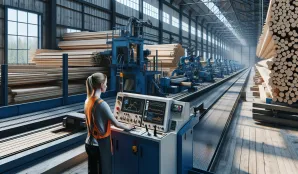
Factor, sawmill salary
Latest available salary statistics are for 2025. Compare average pay, salary range and related job listings.
36 700 - 39 200 SEK / month
Women earn 95% of what men do.
Industriell tillverkning
Related tools
Salary progression Factor, sawmill
What does a Faktor in a sawmill do? – Tasks and work environment
A Faktor in a sawmill is responsible for leading and supervising production within the wood industry’s sawmill section. Tasks include planning workflows, staffing, quality control, and reporting production outcomes. The role often involves close cooperation with machine operators and management to ensure that production meets both schedules and quality standards. The work environment is typically industrial, with elements of office work and presence on-site, where the Faktor needs good knowledge of machinery and processes. Safety is central, as work is conducted in environments with high noise levels and heavy machinery.
Salary development over time
Over the past three years, salaries for Faktor in sawmills have shown steady growth. In 2022, the average salary was 33,600 SEK per month, which increased to 36 800 SEK in 2023. In 2024, the average salary has risen further to 38 300 SEK, representing a total increase of nearly 9.5% over the period. This development reflects increased demand for skills in the timber industry, along with influences from inflation and collective agreement wage adjustments. Wage increases have been somewhat stronger than the average for similar professions, likely due to experience requirements and leadership needs in production.
Faktor, sawmill salary – complete overview
- Average salary: 38 300 SEK/month
- Lowest salary: 35,400 SEK/month
- Highest salary: 37,400 SEK/month
- Hourly wage (average): 221 SEK
- Women earn: 35,400 SEK/month (95 % of men's salary)
- Men earn: 38 600 SEK/month
- Regional differences: Highest salaries are found in certain regions and sectors, especially among men with high school education
Education and qualifications
To work as a Faktor in a sawmill, a high school education in industry, engineering, or wood technology is usually required, often supplemented with work experience from sawmills or the timber industry. Further training is common through internal courses or vocational-specific programs, and leadership experience is a clear merit. Some employers may also require specific certifications or safety training.
- High school education: Industrial or wood technology programs, 3 years
- Certifications: Courses in work environment, leadership, or production technology
- Practical training: On-the-job learning or trainee programs within the sawmill industry
- Prerequisites: Experience in production, machinery handling, and work management
- Tips for selection: Focus on leadership and technical understanding to increase opportunities
Many factors in sawmills have the opportunity to directly influence both the work environment and production efficiency through their leadership. The role often involves balancing technology, work management, and problem-solving – making it particularly rewarding for those who want to combine practical and strategic work.
Common benefits and compensations
In the sawmill industry, benefits such as wellness allowances, extra vacation days, and opportunities for skills development through internal and external training are common. Shift and overtime allowances are typical, and some employers offer bonus schemes linked to production results. Pension contributions and insurance are normally included in collective agreements.
Competition and challenges
The market for Faktor in sawmills is characterized by some competition, especially in regions where the sawmill industry has a strong tradition. Since the role requires both technical skills and leadership experience, it can be challenging for new candidates to establish themselves quickly. Automation and digitalization of production increase demands on technical understanding, while work environment and safety require continuous updating of knowledge. Availability of job openings varies regionally and over time, but those with broad experience and the right education have good employment prospects.
Tips for those who want to become a Faktor in a sawmill
To succeed as a Faktor in a sawmill, it is good to combine technical understanding with leadership skills and good communication abilities. Gaining experience in production, preferably through internships or trainee programs, provides a solid foundation and enhances employability. Curiosity and problem-solving skills are important qualities, especially when managing production challenges and developing work processes. Working methodically and paying attention to details facilitates both quality work and work environment improvements. For those who enjoy taking responsibility and collaborating with different professional groups, there are good opportunities to develop and make a difference in the role of Faktor.
Key facts about Faktor, sawmill
- Education level: High school (industry/engineering), often supplemented with experience
- Work environment: Industrial environment with elements of office work
- Common employment type: Permanent employment, often shift work
- Number of available jobs: 1,437 within the profession
- Gender salary gap: Women earn 95 % of men's salary
Career paths and future prospects
After three to five years as a Faktor in a sawmill, there are opportunities to advance to production manager, supervisor, or other leadership roles within the timber industry. Some choose to specialize in quality control, work environment, or production technology. According to the Swedish Public Employment Service's forecasts, there is no specific assessment for this job title due to limited data, but the profession as a whole currently has 1,437 available jobs and demand is driven by economic conditions and industry development. Automation and efficiency requirements may influence future needs, but those with experience combined with further training are well-positioned in the job market.
Frequently asked questions about Faktor, sawmill
- What does a Faktor in a sawmill earn?
- The average salary is 38 300 SEK per month, with variations depending on experience, gender, and region. - What education is required to become a Faktor in a sawmill?
- High school education in industry or engineering is most common, often supplemented with experience and further training. - What is the work environment like for a Faktor in a sawmill?
- The work environment is industrial, with elements of office work and a strong focus on safety and management. - Are there many job openings for Faktor in a sawmill?
- Currently, there are 1,437 available jobs in the profession according to recent statistics. - How has the salary development been for Faktor in a sawmill?
- Salaries have increased by approximately 9.5% over three years, from 33,600 SEK to 38 300 SEK on average. - What are the major challenges in the profession?
- Challenges include technological development, work environment issues, and demands for leadership and problem-solving skills. - Are there regional salary differences?
- Yes, the highest salaries are found in certain regions and sectors, especially among men with high school education.

Salary distributed by age and sector
| Age | Base salary | Monthly salary | |
|---|---|---|---|
| 18-24 | 96% | 32000 kr | 36600 kr |
| 25-34 | 97% | 33700 kr | 38400 kr |
| 35-44 | 95% | 33900 kr | 38100 kr |
| 45-54 | 34400 kr | 38700 kr | |
| 55-64 | 34800 kr | 39000 kr | |
| Snitt | 95% | 33900 kr | 38300 kr |
| Age | Base salary | Monthly salary | |
|---|---|---|---|
| 18-24 | 96% | 32000 kr | 36600 kr |
| 25-34 | 97% | 33700 kr | 38400 kr |
| 35-44 | 95% | 33900 kr | 38100 kr |
| 45-54 | 34400 kr | 38700 kr | |
| 55-64 | 34800 kr | 39000 kr | |
| Snitt | 95% | 33900 kr | 38300 kr |
| Age | Base salary | Monthly salary | |
|---|---|---|---|
| 18-24 | 96% | 32000 kr | 36600 kr |
| 25-34 | 97% | 33700 kr | 38400 kr |
| 35-44 | 95% | 33900 kr | 38100 kr |
| 45-54 | 34400 kr | 38700 kr | |
| 55-64 | 34800 kr | 39000 kr | |
| Snitt | 95% | 33900 kr | 38300 kr |
| Age | Base salary | Monthly salary | |
|---|---|---|---|
| 18-24 | 96% | 32200 kr | 37000 kr |
| 25-34 | 97% | 33800 kr | 38600 kr |
| 35-44 | 95% | 34100 kr | 38400 kr |
| 45-54 | 34500 kr | 38900 kr | |
| 55-64 | 34900 kr | 39200 kr | |
| Snitt | 95% | 34100 kr | 38600 kr |
| Age | Base salary | Monthly salary | |
|---|---|---|---|
| 18-24 | 96% | 32200 kr | 37000 kr |
| 25-34 | 97% | 33800 kr | 38600 kr |
| 35-44 | 95% | 34100 kr | 38400 kr |
| 45-54 | 34500 kr | 38900 kr | |
| 55-64 | 34900 kr | 39200 kr | |
| Snitt | 95% | 34100 kr | 38600 kr |
| Age | Base salary | Monthly salary | |
|---|---|---|---|
| 18-24 | 96% | 32200 kr | 37000 kr |
| 25-34 | 97% | 33800 kr | 38600 kr |
| 35-44 | 95% | 34100 kr | 38400 kr |
| 45-54 | 34500 kr | 38900 kr | |
| 55-64 | 34900 kr | 39200 kr | |
| Snitt | 95% | 34100 kr | 38600 kr |
| Age | Base salary | Monthly salary | |
|---|---|---|---|
| 18-24 | 96% | 31000 kr | 35600 kr |
| 25-34 | 97% | 33100 kr | 37300 kr |
| 35-44 | 95% | 33300 kr | 36600 kr |
| Snitt | 95% | 32900 kr | 36800 kr |
| Age | Base salary | Monthly salary | |
|---|---|---|---|
| 18-24 | 96% | 31000 kr | 35600 kr |
| 25-34 | 97% | 33100 kr | 37300 kr |
| 35-44 | 95% | 33300 kr | 36600 kr |
| Snitt | 95% | 32900 kr | 36800 kr |
| Age | Base salary | Monthly salary | |
|---|---|---|---|
| 18-24 | 96% | 31000 kr | 35600 kr |
| 25-34 | 97% | 33100 kr | 37300 kr |
| 35-44 | 95% | 33300 kr | 36600 kr |
| Snitt | 95% | 32900 kr | 36800 kr |

About the data
All information displayed on this page is based on data from the Swedish Central Bureau of Statistics (SCB), the Swedish Tax Agency and the Swedish employment agency. Learn more about our data and data sources here.
All figures are gross salaries, meaning salaries before tax. The average salary, or mean salary, is calculated by adding up the total salary for all individuals within the profession and dividing it by the number of individuals. For specific job categories, we have also considered various criteria such as experience and education.
Profession Factor, sawmill has the SSYK code 8173, which we use to match against the SCB database to obtain the latest salary statistics.
-

Production Technician in Gnosjö – Start Week 34
Operators in sawmills, planing mills and plywood etc.
Mon, 6 Jul 2026 - 22:52 -

Boiler and Drying Operator at Sävar Sawmill
Operators in sawmills, planing mills and plywood etc.
Thu, 2 Jul 2026 - 09:12 -

Sawmill Operator at Södra Wood in Ivaberg
Operators in sawmills, planing mills and plywood etc.
Tue, 30 Jun 2026 - 21:21 -

Operators in sawmills, planing mills and plywood etc.
Mon, 29 Jun 2026 - 22:30 -

Operator with Maintenance Experience for Pellet Plant in Ruda
Operators in sawmills, planing mills and plywood etc.
Mon, 29 Jun 2026 - 22:29
Compare salary, work tasks and job outlook in adjacent occupations to find roles with similar skills or pay levels.
-
Tool technician, tool maker salary
Average salary: 37 900 SEK/month • Industriell tillverkning
Toolmakers
Compare with Factor, sawmill
Tue, 14 Jul 2026 - 10:09 -

Machine operator, glass wool salary
Average salary: 36 900 SEK/month • Industriell tillverkning
Other process and machine operators
Compare with Factor, sawmill
Tue, 14 Jul 2026 - 10:05 -

Average salary: 34 200 SEK/month • Industriell tillverkning
Machine operators, plastics industry
Compare with Factor, sawmill
Tue, 14 Jul 2026 - 07:11 -

Average salary: 36 900 SEK/month • Industriell tillverkning
Other process and machine operators
Compare with Factor, sawmill
Tue, 14 Jul 2026 - 07:12 -

Average salary: 36 300 SEK/month • Industriell tillverkning
Machine setters and machine operators, metal work
Compare with Factor, sawmill
Tue, 14 Jul 2026 - 03:57 -

Stencil manufacturer, screen printing salary
Average salary: 34 600 SEK/month • Industriell tillverkning
Printers
Compare with Factor, sawmill
Tue, 14 Jul 2026 - 08:18


