- Salary statistics
- Packer, machine salary
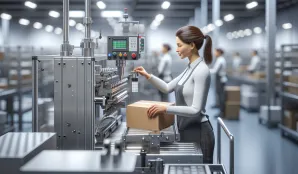
Packer, machine salary
Latest available salary statistics are for 2025. Compare average pay, salary range and related job listings.
33 300 - 36 100 SEK / month
Women earn 97% of what men do.
Industriell tillverkning
Related tools
Salary progression Packer, machine
What does a machine packer do – tasks and working environment
The profession of a machine packer involves working with packing and packaging products using automated machines in factories and production facilities. The main tasks include monitoring, controlling, and adjusting machines that handle filling, packing, and labeling goods, often within industrial manufacturing. The work may also include quality control, basic maintenance of equipment, and ensuring products are packaged according to standards and customer requirements. The working environment is typically physical, with monotonous tasks, but also a high pace and demands for accuracy to ensure product quality and safety.
Salary development over time
Salaries for machine packers have shown a steady but slow increase over the past three years. In 2022, the average salary was 31,600 SEK per month, rising to 33,000 SEK in 2023, and further to 34 800 in 2024. The total increase over three years amounts to approximately 5.7%, indicating a somewhat weaker salary growth compared to some other industrial professions. The modest increase can be linked to stable but not rapidly growing demand, with many employers still having access to workers with relevant training. Since the profession is not yet heavily affected by automation or labor shortages, salary increases remain steady but slow.
Machine packer salary – comprehensive overview
- Average salary: 34 800 SEK/month
- Lowest salary: 32,400 SEK/month
- Highest salary: 34,500 SEK/month
- Hourly wage: 201 SEK
- Women earn: 32,400 SEK/month (97% of men's salary)
- Men earn: 35 100 SEK/month
- Regional differences: No clear differences reported
Education and qualifications
To work as a machine packer, usually no extensive formal education is required, but a high school diploma in industrial technology or similar is advantageous. Many employers offer internal training and introductory programs for new employees, where practical skills and safety routines are taught. Industry-specific certifications and experience in machine operation can be especially valuable to increase employability within the profession.
- High school education: Industrial technology program (3 years)
- Internal training: Often provided by the employer, 1–4 weeks
- Internship: Meritorious, often offered within education
- Certifications: Machine and safety certificates may be required
- Prerequisites: Precision, technical interest
Many machine packers quickly gain broad experience with different machine types, which can open doors to more qualified roles in production technology or maintenance. The profession provides a good foundation for further development in the industry for those with ambition.
Common benefits and compensation
Common benefits for machine packers include shift allowances, wellness contributions, subsidized work clothing, and sometimes bonuses linked to production targets. Insurance and pension contributions according to collective agreements are standard, and some employers also offer training support or opportunities for further education within the company.
Competition and challenges
The competitive situation for machine packers is influenced to some extent by technological development within the industry. Automation of production lines means that tasks change and demands for technical understanding increase. At the same time, demand remains stable because many companies need experienced staff to operate and monitor machines. Challenges in the profession include monotonous tasks, ergonomic risks, and the need to quickly handle machine stops or quality deviations. For those wishing to develop, a willingness to learn new skills and adapt to changing work methods is required.
Tips for aspiring machine packers
To succeed as a machine packer, it is important to have an attentive and responsible attitude, as tasks often require following details precisely. An interest in technology facilitates understanding and quickly learning new machines and workflows. Flexibility and stress tolerance are also important, especially during production peaks or unexpected machine stops. Showing initiative by actively participating in internal training and being willing to take on new responsibilities is beneficial. Good teamwork skills are appreciated, as work is often performed in teams requiring smooth communication. Staying updated on safety routines and being proactive in work environment matters provides safety and increases chances for more tasks. Finally, an interest in quality and continuous improvement is valuable, as there are often opportunities to contribute to more efficient processes and better end results.
Key facts about machine packers
- Education level: High school diploma or equivalent
- Typical working environment: Industrial production, shift work may occur
- Work form: Full-time, sometimes temporary or hourly employment
- Demand: 1,437 job openings in May 2024 within the profession
- Special skills: Machine handling and quality control
Career paths and future outlook
After three to five years in the profession, opportunities exist to advance to roles such as team leader, machine technician, or production planner, especially for those who further their education or demonstrate strong technical skills. Some also choose to specialize in maintenance or quality assurance within the industry. The forecast from the Swedish Public Employment Service does not give an exact assessment of future prospects for this specific role, but the broad occupational group has over 1,400 job vacancies, indicating continued demand. However, technological development may eventually change tasks and require higher technical knowledge and flexibility.
Frequently asked questions about machine packers
-
What does a machine packer earn?
- The average salary for a machine packer is 34 800 SEK per month, but it varies depending on experience, gender, and education level. -
Are there differences between men's and women's salaries in the profession?
- Yes, men earn on average 35 100 SEK while women earn 32,400 SEK, which means women have approximately 97% of men's salaries. -
What is the working environment like for machine packers?
- The working environment is industrial with shifts, monotonous tasks, and demands for accuracy and safety. -
What education is required to become a machine packer?
- High school education in industrial technology is advantageous, and on-the-job training is often provided by the employer. -
What are the future prospects in the profession?
- There are no exact forecasts, but over 1,400 job openings in the field indicate stable demand. -
What common benefits are offered?
- Benefits include shift allowances, wellness contributions, subsidized work clothing, and collective insurance agreements. -
What is the highest and lowest salary for a machine packer?
- The highest salary is 34,500 SEK and the lowest is 32,400 SEK, depending on education and employment type.

Salary distributed by age and sector
| Age | Base salary | Monthly salary | |
|---|---|---|---|
| 18-24 | 94% | 29200 kr | 33700 kr |
| 25-34 | 96% | 30500 kr | 35100 kr |
| 35-44 | 97% | 31200 kr | 34900 kr |
| 45-54 | 98% | 31700 kr | 34500 kr |
| 55-64 | 99% | 32200 kr | 35700 kr |
| Snitt | 97% | 31000 kr | 34800 kr |
| Age | Base salary | Monthly salary | |
|---|---|---|---|
| 18-24 | 94% | 29200 kr | 33700 kr |
| 25-34 | 96% | 30500 kr | 35100 kr |
| 35-44 | 97% | 31200 kr | 34900 kr |
| 45-54 | 98% | 31700 kr | 34500 kr |
| 55-64 | 99% | 32200 kr | 35700 kr |
| Snitt | 97% | 31000 kr | 34800 kr |
| Age | Base salary | Monthly salary | |
|---|---|---|---|
| 18-24 | 94% | 29200 kr | 33700 kr |
| 25-34 | 96% | 30500 kr | 35100 kr |
| 35-44 | 97% | 31200 kr | 34900 kr |
| 45-54 | 98% | 31700 kr | 34500 kr |
| 55-64 | 99% | 32200 kr | 35700 kr |
| Snitt | 97% | 31000 kr | 34800 kr |
| Age | Base salary | Monthly salary | |
|---|---|---|---|
| 18-24 | 94% | 29500 kr | 34400 kr |
| 25-34 | 96% | 30500 kr | 35400 kr |
| 35-44 | 97% | 31500 kr | 35200 kr |
| 45-54 | 98% | 32000 kr | 34800 kr |
| 55-64 | 99% | 32300 kr | 35800 kr |
| Snitt | 97% | 31100 kr | 35100 kr |
| Age | Base salary | Monthly salary | |
|---|---|---|---|
| 18-24 | 94% | 29500 kr | 34400 kr |
| 25-34 | 96% | 30500 kr | 35400 kr |
| 35-44 | 97% | 31500 kr | 35200 kr |
| 45-54 | 98% | 32000 kr | 34800 kr |
| 55-64 | 99% | 32300 kr | 35800 kr |
| Snitt | 97% | 31100 kr | 35100 kr |
| Age | Base salary | Monthly salary | |
|---|---|---|---|
| 18-24 | 94% | 29500 kr | 34400 kr |
| 25-34 | 96% | 30500 kr | 35400 kr |
| 35-44 | 97% | 31500 kr | 35200 kr |
| 45-54 | 98% | 32000 kr | 34800 kr |
| 55-64 | 99% | 32300 kr | 35800 kr |
| Snitt | 97% | 31100 kr | 35100 kr |
| Age | Base salary | Monthly salary | |
|---|---|---|---|
| 18-24 | 94% | 28500 kr | 32500 kr |
| 25-34 | 96% | 30500 kr | 34100 kr |
| 35-44 | 97% | 30700 kr | 34200 kr |
| 45-54 | 98% | 31200 kr | 34100 kr |
| 55-64 | 99% | 32000 kr | 35500 kr |
| Snitt | 97% | 30600 kr | 34000 kr |
| Age | Base salary | Monthly salary | |
|---|---|---|---|
| 18-24 | 94% | 28500 kr | 32500 kr |
| 25-34 | 96% | 30500 kr | 34100 kr |
| 35-44 | 97% | 30700 kr | 34200 kr |
| 45-54 | 98% | 31200 kr | 34100 kr |
| 55-64 | 99% | 32000 kr | 35500 kr |
| Snitt | 97% | 30600 kr | 34000 kr |
| Age | Base salary | Monthly salary | |
|---|---|---|---|
| 18-24 | 94% | 28500 kr | 32500 kr |
| 25-34 | 96% | 30500 kr | 34100 kr |
| 35-44 | 97% | 30700 kr | 34200 kr |
| 45-54 | 98% | 31200 kr | 34100 kr |
| 55-64 | 99% | 32000 kr | 35500 kr |
| Snitt | 97% | 30600 kr | 34000 kr |

About the data
All information displayed on this page is based on data from the Swedish Central Bureau of Statistics (SCB), the Swedish Tax Agency and the Swedish employment agency. Learn more about our data and data sources here.
All figures are gross salaries, meaning salaries before tax. The average salary, or mean salary, is calculated by adding up the total salary for all individuals within the profession and dividing it by the number of individuals. For specific job categories, we have also considered various criteria such as experience and education.
Profession Packer, machine has the SSYK code 8181, which we use to match against the SCB database to obtain the latest salary statistics.
-
Production Team Member at Ankarsrum Kitchen in Västervik
Machine operators, filling, packing and labeling
Fri, 10 Jul 2026 - 20:39 -
Machine Operator for Modern Production Environment
Machine operators, filling, packing and labeling
Thu, 9 Jul 2026 - 00:07 -

Packager Wanted for Packaging Department
Machine operators, filling, packing and labeling
Wed, 1 Jul 2026 - 09:20 -
Machine Operator for Modern Production
Machine operators, filling, packing and labeling
Mon, 29 Jun 2026 - 20:48 -
Machine Operator for Modern Production Environment
Machine operators, filling, packing and labeling
Mon, 22 Jun 2026 - 21:43
Compare salary, work tasks and job outlook in adjacent occupations to find roles with similar skills or pay levels.
-

Metal construction fitter salary
Average salary: 39 700 SEK/month • Industriell tillverkning
Steel construction assemblers and heavy plate workers
Compare with Packer, machine
Mon, 13 Jul 2026 - 10:41 -

Wood industry worker, wood fiber salary
Average salary: 38 300 SEK/month • Industriell tillverkning
Operators in sawmills, planing mills and plywood etc.
Compare with Packer, machine
Tue, 14 Jul 2026 - 07:16 -

Average salary: 36 300 SEK/month • Industriell tillverkning
Machine setters and machine operators, metal work
Compare with Packer, machine
Mon, 13 Jul 2026 - 05:38 -

Average salary: 32 200 SEK/month • Industriell tillverkning
Other machine operators, textile, leather and leather industry
Compare with Packer, machine
Sun, 12 Jul 2026 - 21:48 -

Average salary: 42 500 SEK/month • Industriell tillverkning
Process operators, paper
Compare with Packer, machine
Tue, 14 Jul 2026 - 07:14 -

Machine operator, food industry, fruit and vegetables salary
Average salary: 33 700 SEK/month • Industriell tillverkning
Other machine operators, food industry etc.
Compare with Packer, machine
Sun, 12 Jul 2026 - 19:00


