- Salary statistics
- Buntare salary
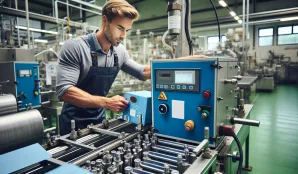
Buntare salary
Latest available salary statistics are for 2025. Compare average pay, salary range and related job listings.
33 300 - 36 100 SEK / month
Women earn 97% of what men do.
Industriell tillverkning
Related tools
Salary progression Buntare
What does a Buntare do? – Tasks and Work Environment
A Buntare primarily works in the industry and is responsible for bundling, packing, and handling materials or products, often in connection with machine filling and labeling. Tasks include monitoring and servicing machines, checking quality, preparing for further transportation, and ensuring correct labeling and packaging according to company and customer requirements. The work is usually performed in production facilities where the pace can be high, requiring good physical ability and the ability to work carefully and structured. Safety regulations and ergonomic guidelines are central parts of daily work to minimize work-related injuries.
Salary development over time
Over the past three years, Buntare has experienced stable but positive salary growth. In 2022, the average salary was 31,600 kronor per month, increasing to 33,000 kronor in 2023. The latest data for 2024 shows that the salary now amounts to 34 800 kronor per month. This represents a total increase of approximately 5.7% over the period, reflecting a steady demand for the profession and some salary adjustments in line with inflation and collective agreement increases. The salary development has been somewhat stronger than the average for similar manual jobs, possibly due to increased demands for quality assurance and efficiency in the industry. Despite a relatively narrow job role, the need for reliable and experienced Buntare has remained consistent, which is also reflected in the number of job openings in the profession.
Buntare salary – comprehensive overview
- Average salary: 34 800 kr/month
- Lowest salary: 32,400 kr/month
- Highest salary: 34,500 kr/month
- Hourly wage: 201 kr
- Women earn: 32,400 kr/month (97% of men's salary)
- Men earn: 35 100 kr/month
- Regional differences: Data on salary differences between regions is unavailable
Education and qualifications
The path to becoming a Buntare often goes through high school education with an industrial or technical focus, but it is common for employers to supplement with internal training. Formal educational requirements are generally low, but practical experience and understanding of machine handling and quality assurance are highly valued. For those wishing to improve their chances of employment, relevant certifications or courses in production, safety, and logistics can be advantageous.
- High school education: Industrial, technical, or production programs (3 years)
- Internal training: Commonly provided by employers
- Certifications: Forklift licenses, safety training, and quality courses can be beneficial
- Practical experience: Previous work in production or warehousing is advantageous
- Prerequisites: Good physical condition and precision
Many Buntare quickly become specialists at their workplace because workflows, machines, and routines often differ between companies. This creates good opportunities to develop unique skills and become a key person in the production chain.
Common benefits and compensations
Buntare are often covered by collective agreements, which means access to benefits such as occupational pension, insurance, wellness contributions, and overtime pay. Other common benefits include wellness subsidies, work clothing, and sometimes shift or overtime allowances depending on working hours and location. Many employers also offer further training and opportunities for development within the company.
Competition and challenges
The competition for jobs as a Buntare varies depending on region and economic climate, but the number of job openings in the profession is relatively high. A challenge is that tasks can be monotonous and physically demanding, requiring endurance and precision. Automation in the industry may change the role over time, but the need for skilled operators and problem-solvers remains. For those wishing to advance within the industry, it is important to be open to change and further training, as the job market develops alongside technological progress.
Tips for those who want to become a Buntare
To succeed as a Buntare, it is good to have a strong sense of accuracy and structure, as tasks often require products to be handled precisely according to instructions. Good organizational skills facilitate sorting and packing materials efficiently, while teamwork skills are crucial since work is often done in teams. Flexibility is also important, as tasks can vary between shifts and production peaks. Physical endurance is a significant asset, especially during monotonous or heavy tasks. For the proactive, there are opportunities to suggest improvements in workflows, which many employers appreciate. Learning machines quickly and showing interest in quality assurance can also pave the way for advancement within the company. Lastly, being communicative is an advantage, as clear reporting and feedback are important parts of the role.
Key facts about Buntare
- Education level: High school, industrial or technical programs
- Work environment: Industrial production, often physically demanding
- Work schedule: Shift or day shifts, often in teams
- Demand: 1,437 job openings in the profession
- Special skills: Machine handling and quality assurance
Career paths and future prospects
After three to five years as a Buntare, it is common to move on to senior roles such as team leader, supervisor, or machine operator with increased responsibility. For those combining experience with further education, opportunities exist to advance within production management or quality control. Forecasts from the Employment Service indicate that, due to limited data, no precise assessment can be made for the profession, but demand for industrial manufacturing and related occupations continues. Automation may change the nature of work over time, but the human factor in quality work and problem-solving remains central. For those seeking long-term security and career development in the industry, there are good opportunities, especially for those willing to further their education and take on greater responsibilities.
Frequently asked questions about Buntare
- What is the average salary of a Buntare?
- A Buntare has an average salary of 34 800 kronor per month. - How large is the salary difference between men and women?
- Women earn 32,400 kronor, which is 97% of men's salary at 35 100 kronor. - What education is required to become a Buntare?
- High school education in industry or technology is most common, often with internal training. - What is the work environment like for a Buntare?
- Work takes place in industrial environments, often with physically demanding tasks and a high pace. - Are there opportunities for career development?
- Yes, after a few years of experience, one can advance to team leader or machine operator with greater responsibility. - What benefits are common?
- Benefits such as occupational pension, insurance, wellness contributions, and overtime pay are common according to collective agreements. - What is the job market like for Buntare?
- There are over 1400 job openings in the profession, indicating continued demand.

Salary distributed by age and sector
| Age | Base salary | Monthly salary | |
|---|---|---|---|
| 18-24 | 94% | 29200 kr | 33700 kr |
| 25-34 | 96% | 30500 kr | 35100 kr |
| 35-44 | 97% | 31200 kr | 34900 kr |
| 45-54 | 98% | 31700 kr | 34500 kr |
| 55-64 | 99% | 32200 kr | 35700 kr |
| Snitt | 97% | 31000 kr | 34800 kr |
| Age | Base salary | Monthly salary | |
|---|---|---|---|
| 18-24 | 94% | 29200 kr | 33700 kr |
| 25-34 | 96% | 30500 kr | 35100 kr |
| 35-44 | 97% | 31200 kr | 34900 kr |
| 45-54 | 98% | 31700 kr | 34500 kr |
| 55-64 | 99% | 32200 kr | 35700 kr |
| Snitt | 97% | 31000 kr | 34800 kr |
| Age | Base salary | Monthly salary | |
|---|---|---|---|
| 18-24 | 94% | 29200 kr | 33700 kr |
| 25-34 | 96% | 30500 kr | 35100 kr |
| 35-44 | 97% | 31200 kr | 34900 kr |
| 45-54 | 98% | 31700 kr | 34500 kr |
| 55-64 | 99% | 32200 kr | 35700 kr |
| Snitt | 97% | 31000 kr | 34800 kr |
| Age | Base salary | Monthly salary | |
|---|---|---|---|
| 18-24 | 94% | 29500 kr | 34400 kr |
| 25-34 | 96% | 30500 kr | 35400 kr |
| 35-44 | 97% | 31500 kr | 35200 kr |
| 45-54 | 98% | 32000 kr | 34800 kr |
| 55-64 | 99% | 32300 kr | 35800 kr |
| Snitt | 97% | 31100 kr | 35100 kr |
| Age | Base salary | Monthly salary | |
|---|---|---|---|
| 18-24 | 94% | 29500 kr | 34400 kr |
| 25-34 | 96% | 30500 kr | 35400 kr |
| 35-44 | 97% | 31500 kr | 35200 kr |
| 45-54 | 98% | 32000 kr | 34800 kr |
| 55-64 | 99% | 32300 kr | 35800 kr |
| Snitt | 97% | 31100 kr | 35100 kr |
| Age | Base salary | Monthly salary | |
|---|---|---|---|
| 18-24 | 94% | 29500 kr | 34400 kr |
| 25-34 | 96% | 30500 kr | 35400 kr |
| 35-44 | 97% | 31500 kr | 35200 kr |
| 45-54 | 98% | 32000 kr | 34800 kr |
| 55-64 | 99% | 32300 kr | 35800 kr |
| Snitt | 97% | 31100 kr | 35100 kr |
| Age | Base salary | Monthly salary | |
|---|---|---|---|
| 18-24 | 94% | 28500 kr | 32500 kr |
| 25-34 | 96% | 30500 kr | 34100 kr |
| 35-44 | 97% | 30700 kr | 34200 kr |
| 45-54 | 98% | 31200 kr | 34100 kr |
| 55-64 | 99% | 32000 kr | 35500 kr |
| Snitt | 97% | 30600 kr | 34000 kr |
| Age | Base salary | Monthly salary | |
|---|---|---|---|
| 18-24 | 94% | 28500 kr | 32500 kr |
| 25-34 | 96% | 30500 kr | 34100 kr |
| 35-44 | 97% | 30700 kr | 34200 kr |
| 45-54 | 98% | 31200 kr | 34100 kr |
| 55-64 | 99% | 32000 kr | 35500 kr |
| Snitt | 97% | 30600 kr | 34000 kr |
| Age | Base salary | Monthly salary | |
|---|---|---|---|
| 18-24 | 94% | 28500 kr | 32500 kr |
| 25-34 | 96% | 30500 kr | 34100 kr |
| 35-44 | 97% | 30700 kr | 34200 kr |
| 45-54 | 98% | 31200 kr | 34100 kr |
| 55-64 | 99% | 32000 kr | 35500 kr |
| Snitt | 97% | 30600 kr | 34000 kr |

About the data
All information displayed on this page is based on data from the Swedish Central Bureau of Statistics (SCB), the Swedish Tax Agency and the Swedish employment agency. Learn more about our data and data sources here.
All figures are gross salaries, meaning salaries before tax. The average salary, or mean salary, is calculated by adding up the total salary for all individuals within the profession and dividing it by the number of individuals. For specific job categories, we have also considered various criteria such as experience and education.
Profession Buntare has the SSYK code 8181, which we use to match against the SCB database to obtain the latest salary statistics.
-
Production Team Member at Ankarsrum Kitchen in Västervik
Machine operators, filling, packing and labeling
Fri, 10 Jul 2026 - 20:39 -
Machine Operator for Modern Production Environment
Machine operators, filling, packing and labeling
Thu, 9 Jul 2026 - 00:07 -

Packager Wanted for Packaging Department
Machine operators, filling, packing and labeling
Wed, 1 Jul 2026 - 09:20 -
Machine Operator for Modern Production
Machine operators, filling, packing and labeling
Mon, 29 Jun 2026 - 20:48 -
Machine Operator for Modern Production Environment
Machine operators, filling, packing and labeling
Mon, 22 Jun 2026 - 21:43
Compare salary, work tasks and job outlook in adjacent occupations to find roles with similar skills or pay levels.
-

Average salary: 40 100 SEK/month • Industriell tillverkning
Other machine and process operators, steel and metal
Compare with Buntare
Tue, 14 Jul 2026 - 17:11 -

Average salary: 40 000 SEK/month • Industriell tillverkning
Rolling mill operators
Compare with Buntare
Sat, 11 Jul 2026 - 23:24 -

Bookbinder, handicrafts salary
Average salary: 33 800 SEK/month • Industriell tillverkning
Bookbinders etc.
Compare with Buntare
Tue, 14 Jul 2026 - 17:13 -

Average salary: 35 700 SEK/month • Industriell tillverkning
Vehicle assemblers
Compare with Buntare
Tue, 14 Jul 2026 - 07:14 -

Average salary: 48 700 SEK/month • Industriell tillverkning
Process operators, stone crushing and ore processing
Compare with Buntare
Tue, 14 Jul 2026 - 17:57 -

Average salary: 36 300 SEK/month • Industriell tillverkning
Machine setters and machine operators, metal work
Compare with Buntare
Tue, 14 Jul 2026 - 10:54


