- Salary statistics
- Fuel receiver, recycling station salary
Fuel receiver, recycling station salary
Latest available salary statistics are for 2025. Compare average pay, salary range and related job listings.
27 600 - 35 800 SEK / month
Women earn 97% of what men do.
Sanering och renhållning
Related tools
Salary progression Fuel receiver, recycling station
What does a fuel receiver do at a recycling station? – Tasks and work environment
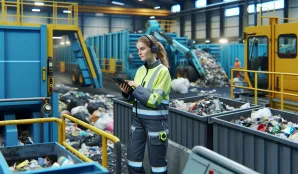
A fuel receiver at a recycling station primarily works with receiving, sorting, and handling combustible waste and residual products intended for energy recovery. The role involves daily contact with transporters and private individuals who deliver materials, inspection of received waste, and monitoring compliance with environmental and safety regulations. The work is often outdoors in varying weather conditions and may include some machine operation as well as documentation and reporting of incoming materials. High demands are placed on accuracy, responsibility, and the ability to quickly identify deviations in waste sorting to ensure efficient and safe handling.
Salary development over time
The professional group of fuel receivers at recycling stations has shown a stable salary development over the past three years. In 2022, the average salary was 30,100 SEK per month. In 2023, it increased to 32 700 SEK, corresponding to an increase of approximately 6.6%. In 2024, the average salary is 33 800 SEK, a growth of about 1.9% compared to the previous year. This positive trend is partly explained by increased demand for skilled workers in the recycling industry, where stricter environmental requirements and higher workload drive up wages. At the same time, high staff turnover and recruitment difficulties influence salary development, as employers are forced to offer more competitive conditions to attract and retain staff.
Fuel receiver at a recycling station salary – comprehensive overview
- Average salary: 33 800 SEK/month
- Lowest salary: 27,700 SEK/month (female, private sector, short pre-high school education)
- Highest salary: 35,000 SEK/month (female, government sector, post-secondary education 3+ years)
- Hourly wage: 196 SEK/hour (based on 166 working hours/month)
- Gender differences: Men earn 34 000 SEK, women 33 000 SEK (women 97% of men's salary)
- Regional differences: Data on regional differences is unavailable
Education and qualifications
To work as a fuel receiver at a recycling station, usually no higher formal education is required, but employers prefer candidates with relevant high school education and experience with similar tasks. Practical skills, good physical condition, and knowledge of environmental and safety regulations are important for success in the role. Many employers also offer internal training and onboarding on site.
- High school education: Vehicle and transport programs or Industrial technology programs are advantageous
- Certifications: Forklift license, ADR certificate, and hazardous waste training may be required
- Internship: Internships or summer jobs at recycling stations provide valuable experience
- Prerequisites: Good physical health, responsibility, and basic Swedish skills
- Tips for choosing: Interest in environment and sustainability facilitates career choice
Many fuel receivers at recycling stations quickly become experts at identifying different materials and waste types, making them valuable resources for reducing sorting errors and improving recycling rates.
Common benefits and compensations
Employment benefits for fuel receivers at recycling stations often include overtime pay for inconvenient hours, wellness contributions, work clothing, and protective equipment. Some employers also offer skills development, extra vacation days, and opportunities for further education in environmental or occupational safety.
Competition and challenges
The profession is characterized by paradoxical recruitment conditions where there is both high staff turnover and recruitment difficulties, despite a relatively good labor supply. Challenges for fuel receivers include physically demanding work, exposure to weather and sometimes hazardous substances, and high demands for accuracy and responsibility. The industry is also affected by changing environmental regulations and increased documentation and safety requirements. At the same time, digitalization and automation are changing work tasks and requiring new skills.
Tips for those wishing to become a fuel receiver at a recycling station
To succeed as a fuel receiver at a recycling station, it is good to be meticulous and responsible, as safety and correct sorting are crucial. Good physical condition facilitates the daily work, which is often mobile and sometimes heavy. Showing engagement for environment and sustainability adds value, as the tasks directly contribute to societal benefit. Flexibility and teamwork skills are important, as the workday can involve quick changes and contact with various people. A willingness to learn new routines and handle machines is an advantage, especially as technology and regulations evolve. Treating visitors with patience and service-mindedness creates a safe and well-functioning workplace. Finally, an interest in following safety regulations is essential for everyone's safety.
Key facts about fuel receivers at recycling stations
- Education level: High school education often sufficient, but certifications advantageous
- Work environment: Physically demanding and outdoor-based
- Demand: High, with 123 available jobs nationwide
- Typical employment form: Full-time, but part-time employment also occurs
- Special skills: Handling hazardous waste and machine operation
Career paths and future prospects
After three to five years as a fuel receiver at a recycling station, there are opportunities to advance to supervisory roles, such as site manager or operations supervisor. Some choose to further educate themselves in environmental technology or occupational safety, which can lead to specialist positions or consulting assignments. The Employment Service assesses that job opportunities in the profession are large, and demand is expected to remain unchanged over the next five years. This provides stable future prospects, although competition for the most attractive positions may be higher in certain regions. Digitalization and increased environmental awareness can also create new career paths for those willing to develop within the industry.
Common questions about fuel receivers at recycling stations
- What does a fuel receiver earn at a recycling station?
- The average salary is 33 800 SEK per month, with variations depending on experience, education, and sector. - What education is required to become a fuel receiver?
- Usually high school education in a relevant field is sufficient, but certifications and experience are advantageous. - Are there salary differences between men and women?
- Yes, women earn 33 000 SEK on average, which is 97% of men's salaries. - What is the work environment like for fuel receivers?
- The work is physically demanding, often outdoors, involving handling various types of waste. - What are the future prospects?
- Projections show that demand for the profession is high and expected to remain unchanged in the coming years. - What are the most common benefits?
- Overtime pay, wellness contributions, work clothing, and training are common benefits. - What are the job opportunities?
- Currently, there are 123 available jobs nationwide within the profession.

Salary distributed by age and sector
| Age | Base salary | Monthly salary | |
|---|---|---|---|
| 18-24 | 99% | 30700 kr | 32200 kr |
| 25-34 | 96% | 32500 kr | 33900 kr |
| 35-44 | 98% | 33100 kr | 34500 kr |
| 45-54 | 94% | 33100 kr | 34400 kr |
| 55-64 | 98% | 32500 kr | 33500 kr |
| 65-68 | 32100 kr | 33600 kr | |
| Snitt | 97% | 32500 kr | 33800 kr |
| Age | Base salary | Monthly salary | |
|---|---|---|---|
| 18-24 | 102% | 27500 kr | 29400 kr |
| 25-34 | 98% | 30100 kr | 31400 kr |
| 35-44 | 99% | 31300 kr | 32500 kr |
| 45-54 | 101% | 31400 kr | 32500 kr |
| 55-64 | 98% | 31500 kr | 32400 kr |
| 65-68 | 97% | 30900 kr | 32900 kr |
| Snitt | 98% | 30800 kr | 32000 kr |
| Age | Base salary | Monthly salary | |
|---|---|---|---|
| 18-24 | 102% | 27500 kr | 29400 kr |
| 25-34 | 98% | 30100 kr | 31400 kr |
| 35-44 | 99% | 31300 kr | 32500 kr |
| 45-54 | 101% | 31400 kr | 32500 kr |
| 55-64 | 98% | 31500 kr | 32400 kr |
| 65-68 | 97% | 30900 kr | 32900 kr |
| Snitt | 98% | 30800 kr | 32000 kr |
| Age | Base salary | Monthly salary | |
|---|---|---|---|
| 18-24 | 100% | 31200 kr | 32500 kr |
| 25-34 | 97% | 32900 kr | 34400 kr |
| 35-44 | 99% | 33400 kr | 34900 kr |
| 45-54 | 33400 kr | 34800 kr | |
| 55-64 | 32700 kr | 33800 kr | |
| 65-68 | 32700 kr | 34000 kr | |
| Snitt | 97% | 32800 kr | 34200 kr |
| Age | Base salary | Monthly salary | |
|---|---|---|---|
| 18-24 | 100% | 31200 kr | 32500 kr |
| 25-34 | 97% | 32900 kr | 34400 kr |
| 35-44 | 99% | 33400 kr | 34900 kr |
| 45-54 | 33400 kr | 34800 kr | |
| 55-64 | 32700 kr | 33800 kr | |
| 65-68 | 32700 kr | 34000 kr | |
| Snitt | 97% | 32800 kr | 34200 kr |
| Age | Base salary | Monthly salary | |
|---|---|---|---|
| 18-24 | 99% | 30800 kr | 32200 kr |
| 25-34 | 96% | 32700 kr | 34200 kr |
| 35-44 | 98% | 33200 kr | 34600 kr |
| 45-54 | 94% | 33300 kr | 34600 kr |
| 55-64 | 98% | 32600 kr | 33600 kr |
| 65-68 | 32200 kr | 33700 kr | |
| Snitt | 97% | 32700 kr | 34000 kr |
| Age | Base salary | Monthly salary | |
|---|---|---|---|
| 18-24 | 102% | 27400 kr | 29200 kr |
| 25-34 | 98% | 30300 kr | 31600 kr |
| 35-44 | 99% | 31400 kr | 32500 kr |
| 45-54 | 101% | 31400 kr | 32400 kr |
| 55-64 | 98% | 31600 kr | 32500 kr |
| 65-68 | 97% | 31000 kr | 33000 kr |
| Snitt | 98% | 30900 kr | 32100 kr |
| Age | Base salary | Monthly salary | |
|---|---|---|---|
| 18-24 | 102% | 27400 kr | 29200 kr |
| 25-34 | 98% | 30300 kr | 31600 kr |
| 35-44 | 99% | 31400 kr | 32500 kr |
| 45-54 | 101% | 31400 kr | 32400 kr |
| 55-64 | 98% | 31600 kr | 32500 kr |
| 65-68 | 97% | 31000 kr | 33000 kr |
| Snitt | 98% | 30900 kr | 32100 kr |
| Age | Base salary | Monthly salary | |
|---|---|---|---|
| 18-24 | 100% | 31200 kr | 32600 kr |
| 25-34 | 97% | 33100 kr | 34600 kr |
| 35-44 | 99% | 33500 kr | 35000 kr |
| 45-54 | 33600 kr | 35100 kr | |
| 55-64 | 32800 kr | 33800 kr | |
| 65-68 | 32800 kr | 34000 kr | |
| Snitt | 97% | 33000 kr | 34300 kr |
| Age | Base salary | Monthly salary | |
|---|---|---|---|
| 18-24 | 100% | 31200 kr | 32600 kr |
| 25-34 | 97% | 33100 kr | 34600 kr |
| 35-44 | 99% | 33500 kr | 35000 kr |
| 45-54 | 33600 kr | 35100 kr | |
| 55-64 | 32800 kr | 33800 kr | |
| 65-68 | 32800 kr | 34000 kr | |
| Snitt | 97% | 33000 kr | 34300 kr |
| Age | Base salary | Monthly salary | |
|---|---|---|---|
| 18-24 | 99% | 30600 kr | 32000 kr |
| 25-34 | 96% | 31400 kr | 32900 kr |
| 35-44 | 98% | 32700 kr | 34100 kr |
| 45-54 | 94% | 31500 kr | 32700 kr |
| 55-64 | 98% | 31500 kr | 33000 kr |
| Snitt | 97% | 31500 kr | 33000 kr |
| Age | Base salary | Monthly salary | |
|---|---|---|---|
| 18-24 | 102% | 27800 kr | 29900 kr |
| 25-34 | 98% | 29200 kr | 30800 kr |
| 35-44 | 99% | 30800 kr | 32300 kr |
| 45-54 | 101% | 31300 kr | 32900 kr |
| 55-64 | 98% | 30900 kr | 32000 kr |
| 65-68 | 97% | 29200 kr | 32000 kr |
| Snitt | 98% | 30100 kr | 31600 kr |
| Age | Base salary | Monthly salary | |
|---|---|---|---|
| 18-24 | 102% | 27800 kr | 29900 kr |
| 25-34 | 98% | 29200 kr | 30800 kr |
| 35-44 | 99% | 30800 kr | 32300 kr |
| 45-54 | 101% | 31300 kr | 32900 kr |
| 55-64 | 98% | 30900 kr | 32000 kr |
| 65-68 | 97% | 29200 kr | 32000 kr |
| Snitt | 98% | 30100 kr | 31600 kr |
| Age | Base salary | Monthly salary | |
|---|---|---|---|
| 18-24 | 100% | 31200 kr | 32500 kr |
| 25-34 | 97% | 31900 kr | 33400 kr |
| 35-44 | 99% | 33200 kr | 34500 kr |
| Snitt | 97% | 32000 kr | 33400 kr |
| Age | Base salary | Monthly salary | |
|---|---|---|---|
| 18-24 | 100% | 31200 kr | 32500 kr |
| 25-34 | 97% | 31900 kr | 33400 kr |
| 35-44 | 99% | 33200 kr | 34500 kr |
| Snitt | 97% | 32000 kr | 33400 kr |

About the data
All information displayed on this page is based on data from the Swedish Central Bureau of Statistics (SCB), the Swedish Tax Agency and the Swedish employment agency. Learn more about our data and data sources here.
All figures are gross salaries, meaning salaries before tax. The average salary, or mean salary, is calculated by adding up the total salary for all individuals within the profession and dividing it by the number of individuals. For specific job categories, we have also considered various criteria such as experience and education.
Profession Fuel receiver, recycling station has the SSYK code 9610, which we use to match against the SCB database to obtain the latest salary statistics.
-
Team Leader for Cleaning and Estate Clearance – Bonus for Flea Market Sales
Sanitation and recycling workers
Fri, 10 Jul 2026 - 21:41 -
Environmental Worker in Lindesberg – Daytime & Double Crew
Sanitation and recycling workers
Mon, 6 Jul 2026 - 22:50 -

Hazardous Waste and Chemical Handler at Stena Recycling in Örebro
Sanitation and recycling workers
Sat, 4 Jul 2026 - 01:12


Compare salary, work tasks and job outlook in adjacent occupations to find roles with similar skills or pay levels.
-

Average salary: 28 600 SEK/month • Sanering och renhållning
Cleaners
Compare with Fuel receiver, recycling station
Tue, 14 Jul 2026 - 10:29 -

Average salary: 31 200 SEK/month • Sanering och renhållning
Car detailers, window cleaners etc.
Compare with Fuel receiver, recycling station
Mon, 13 Jul 2026 - 05:58 -

Average salary: 28 600 SEK/month • Sanering och renhållning
Cleaners
Compare with Fuel receiver, recycling station
Tue, 14 Jul 2026 - 05:30 -

Average salary: 34 700 SEK/month • Sanering och renhållning
Sanitation workers etc.
Compare with Fuel receiver, recycling station
Tue, 14 Jul 2026 - 09:21 -

Average salary: 34 700 SEK/month • Sanering och renhållning
Sanitation workers etc.
Compare with Fuel receiver, recycling station
Mon, 13 Jul 2026 - 15:09 -

Babysitter, private home salary
Average salary: 25 300 SEK/month • Sanering och renhållning
Other home service staff etc.
Compare with Fuel receiver, recycling station
Tue, 14 Jul 2026 - 07:13


