Latest posts
Image that illustrates

An animal protection officer works to ensure that animal husbandry complies with applicable laws and regulations. The role often involves inspections of farms, animal shelters, and other facilities where animals are kept, to verify that animal welfare is maintained. They also provide advice and support to animal owners, inform about legislation, and work preventively to prevent animal cruelty or neglect. The work environment can vary between field visits, office work, and educational efforts aimed at the public and professionals in animal care. The work is often conducted in close collaboration with authorities such as the County Administrative Board or municipal environmental and health offices.

Read more ->
Image that illustrates

An animal protection inspector works to ensure compliance with laws and regulations regarding animal welfare. Tasks include inspections of farms, animal keepers, and companies, investigating reports of suspected animal cruelty, and advising both individuals and businesses on animal welfare. The work often involves both planned and urgent visits, and can include documentation, report writing, and sometimes testimony in legal proceedings. The work environment is varied and may involve outdoor work in different weather conditions, travel within the region, and contact with both animal owners and authorities. Animal protection inspectors are often employed by municipalities or county administrative boards and play an important role in upholding animal welfare legislation in society.

Read more ->
  • Public Opinion - Opinion Poll Status Novus: Unchanged Support – Social Democrats Largest
    Wed, 19 Nov 2025 - 08:35
Image that illustrates What does a farm animal caretaker do? – Tasks and work environment
What does a farm animal caretaker do? – Tasks and work environment

A farm animal caretaker is responsible for the daily care of farm animals, which often include cows, pigs, sheep, and other production animals. Tasks range from feeding, watering, and cleaning stalls to monitoring animal health and well-being. The role also includes assisting with calvings, minor veterinary procedures, and documenting animal conditions. The work environment involves physical work outdoors and indoors, with the workday often aligned with the animals’ needs rather than fixed office hours. Safety and hygiene are central aspects of the profession, and the work environment can sometimes be demanding, especially during busy periods such as lambing or calving.

Read more ->
Image that illustrates What does a Veterinary Nurse do? – Tasks and work environment
What does a Veterinary Nurse do? – Tasks and work environment

A veterinary nurse works with providing medical care, nursing, and support to sick or injured animals, primarily at veterinary clinics, animal hospitals, or veterinary stations. Tasks include assisting veterinarians during examinations and surgeries, administering medications, taking blood samples, wound care, and monitoring animals during and after treatment. Veterinary nurses are also responsible for informing and supporting pet owners, managing medical records, and maintaining hygiene routines in the work environment. The work is often physically demanding and may involve irregular hours, including evenings and weekends, especially at emergency clinics.

Read more ->
Image that illustrates What does a veterinary nurse do? – Tasks and work environment
What does a veterinary nurse do? – Tasks and work environment

A veterinary nurse works with care and medical treatment of animals, often at animal hospitals, veterinary clinics, or research institutions. The role involves assisting veterinarians during examinations, surgeries, and treatments, as well as independently performing certain medical procedures. Tasks include sample collection, medication administration, wound care, and monitoring animals’ health status. Veterinary nurses are also responsible for informing and supporting pet owners, documenting care, and ensuring hygiene routines and safety regulations are followed. The work environment is often fast-paced, physically demanding, and involves close contact with both animals and humans, requiring technical skills as well as empathetic communication.

Read more ->
Image that illustrates What does a veterinary surgeon at an animal hospital do? – duties and work environment
What does a veterinary surgeon at an animal hospital do? – duties and work environment

A veterinary surgeon at an animal hospital works with diagnosing, treating, and preventing diseases in animals, mainly at animal hospitals or larger clinics. Tasks include everything from surgical procedures and emergency interventions to advice and follow-up of treatments. Close collaboration with pet owners, veterinary nurses, and other healthcare staff is often required to ensure the animal's well-being. The work environment is often intense and may involve on-call duties, irregular hours, and handling both small and large animals in sometimes stressful situations.

Read more ->
Image that illustrates What does a Djurhälsoveterinär do? – Tasks and Work Environment
What does a Djurhälsoveterinär do? – Tasks and Work Environment

Djurhälsoveterinärer work with diagnosing, treating, and preventing diseases in animals, with a particular focus on animal health, infection control, and animal welfare. Tasks include clinical work with both farm animals and pets, advising animal owners, issuing certificates, and participating in regulatory and food safety inspections. The environment can vary from veterinary clinics and fieldwork on farms to office settings at authorities. The role requires flexibility and the ability to make quick decisions, especially during emergency interventions or outbreaks.

Read more ->
Image that illustrates What does a Pet Food Processor do? – Tasks and Work Environment
What does a Pet Food Processor do? – Tasks and Work Environment

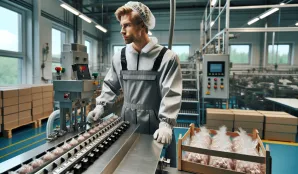
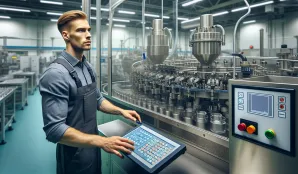
A pet food processor primarily works with manufacturing and processing feed for animals, often on an industrial scale. The role involves monitoring and controlling machines that mix, press, and package various types of pet food, as well as inspecting raw materials and finished products to ensure quality and nutritional content. The work environment is typically production-oriented, involving both manual tasks and machine operation. Safety procedures and hygiene are central parts of the daily work, often performed in shifts within larger factories or feed facilities.

Read more ->
Image that illustrates What does a Deep-etch Galvanizer do? – Tasks and work environment
What does a Deep-etch Galvanizer do? – Tasks and work environment

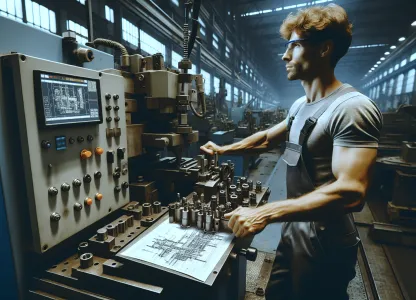
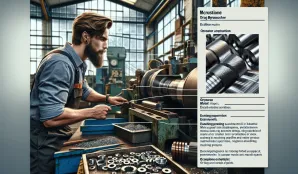
A Deep-etch Galvanizer works with surface treatment of printing cylinders within the graphic industry, where galvanization is used to give printing surfaces optimal durability and precision. The role involves preparing, supervising, and controlling the galvanization process, which requires accuracy and technical knowledge. The work environment is often industrial and can be noisy or contain chemical substances, which necessitates protective equipment and safety routines. Tasks also include quality control and maintenance of equipment and machinery to ensure a consistent production pace and high quality of the final product.

Read more ->
Image that illustrates What does a Deep Plate Setter do? – Tasks and Work Environment
What does a Deep Plate Setter do? – Tasks and Work Environment

A deep plate setter works with producing printing plates and monitoring the printing process in industrial environments. This profession requires high precision and technical knowledge, as the plates are used for manufacturing packaging, newspapers, and decorative materials. The work environment is often machine-intensive and may involve shift work, with high demands on accuracy and quality assurance. Deep plate setters often collaborate with prepress technicians and other industry professionals to ensure the final product meets customer requirements.

Read more ->