News and articles
- Home
- Articles






Latest posts

A Hamnskyddskontrollant works to maintain safety in port areas and ensure that operations comply with applicable laws, regulations, and international security standards. Tasks include monitoring, inspecting people and vehicles within the port area, as well as inspecting cargo and equipment to prevent and detect security risks. The role also involves incident reporting, cooperation with other authorities, and managing security systems. The work environment is often varied, involving outdoor work in different weather conditions and indoor work in control rooms or terminal buildings. Shift work is common, as ports operate around the clock.
Read more ->
A port service worker works to ensure efficient and safe handling of goods, vehicles, and ships in port areas. Tasks may include coordinating transports, loading and unloading, verifying documentation, and following safety procedures. The profession often involves close collaboration with other professionals such as transport coordinators, crane operators, and customs personnel. The work environment is dynamic and can be outdoors or indoors, with shift work depending on port activity and traffic volume. Safety and precision are central to daily tasks, especially since the workplace often involves heavy vehicles and large machinery.
Read more ->-

Opinion Polls: Kantar-Sifo shows increased support for S, decline for SD and C
Fri, 13 Feb 2026 - 01:35 -

Policy rate remains at 1.75% – Riksbank signals stability
Thu, 29 Jan 2026 - 14:02


A Hamnkamrer is responsible for financial administration within port operations and major logistics hubs. The work includes ongoing bookkeeping, invoicing, budget monitoring, and reporting to management and authorities. The role often involves close cooperation with operational staff and external actors such as shipping companies and freight forwarders. The work environment is primarily office-based but can also involve regular visits to the port area for inventory and inspections, requiring accuracy and flexibility. Since ports are operations that often run 24/7, work outside regular hours may occur, especially during major financial closing or audits.
Read more ->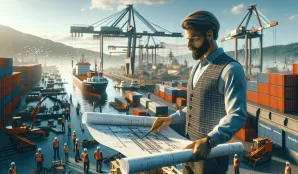
A Harbour Engineer works with planning, development, and maintenance of port facilities. Tasks include everything from project design and technical planning to safety assessments and environmental analyses. The role often involves coordinating work between various technical disciplines and working closely with clients and contractors. The work environment is varied; a Harbour Engineer switches between office, construction sites, and port areas, requiring flexibility and good communication skills. Safety and environmental considerations are central to daily work, especially in larger ports where logistics are complex and sustainability requirements are high.
Read more ->
A port supervisor is responsible for leading, coordinating, and overseeing the daily work at a port. Tasks include planning and directing loading and unloading of ships, ensuring compliance with work environment regulations, and ensuring the team works efficiently and safely. The port supervisor often acts as the link between management and port workers and has overall responsibility for workflow on the quay. The work environment is often physically demanding and outdoor-based, with activities occurring around the clock, involving shift work and sometimes challenging weather conditions.
Read more ->
A harbour director has overall responsibility for leading and developing port operations, which includes both strategic and operational work. The role involves ensuring that the port's business objectives are met, logistics flows function efficiently, and activities are conducted in accordance with applicable laws and environmental requirements. The harbour director is often responsible for budgeting, personnel, work environment, and negotiations with customers, suppliers, and authorities. The work environment is primarily office-based but requires regular visits to the port area to monitor operations on-site and maintain close dialogue with various staff groups.
Read more ->
A port manager has overall responsibility for leading and coordinating operations at a port. This includes ensuring that cargo flows, logistics, and traffic operate efficiently and safely, as well as complying with work environment standards and laws. The role also involves personnel management, financial control, contact with authorities and clients, and developing the port's business areas. The work environment is often varied, with both office-based tasks and presence out in the port area, where safety and leadership are central.
Read more ->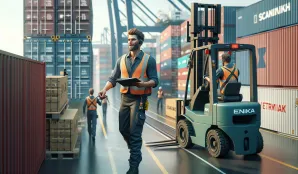
A dockworker specializing in forklift operation mainly works with loading and unloading goods in port areas. Tasks include operating various types of forklifts, such as container forklifts, pallet trucks, and terminal tractors, to transport goods between ships, warehouses, and trucks. The work is often outdoors, regardless of weather, and requires good teamwork and attention to safety procedures. The environment can be noisy and fast-paced, especially when ships need to be loaded or unloaded quickly to meet schedules.
Read more ->
A port agent acts as the crucial link between ships, shipping companies, and various port actors. Tasks include coordinating vessel arrivals, managing customs and cargo documents, liaising with authorities, and supervising loading and unloading. The role demands a high level of accuracy and flexibility, as work often occurs under time pressure and in diverse environments. The work environment is dynamic and may involve both office work and inspections in the port area, where collaboration with both international and local stakeholders is a natural part of daily life.
Read more ->
A core drill operator primarily works with drilling, sawing, and chiseling in concrete, stone, and other hard building materials. The profession is central within the construction and civil engineering sector, where there is a high demand for openings for installations, windows, doors, or ventilation. Work is often carried out on construction sites, both indoors and outdoors, which can mean a variable and sometimes demanding work environment. Core drill operators use advanced machinery and tools, often in noisy and dusty environments, requiring high safety standards and precision.
Read more ->