News and articles
- Home
- Articles






Latest posts
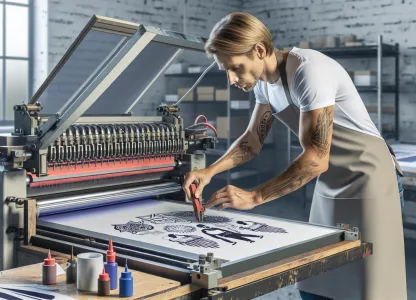
A screen printing stencil maker is responsible for producing and maintaining stencils used in screen printing textiles, signs, packaging, and other materials. Tasks include preparing designs, applying emulsions, exposing stencils, and cleaning and repairing them. The role also involves collaborating with printers and production staff to ensure quality and precision in the final print. The work environment is often workshop-based, involving both manual and machine work, where accuracy and attention to detail are essential.
Read more ->
A Scentekniker works with planning, setting up, and operating technical equipment for stage productions, concerts, theater performances, and events. Tasks include managing sound, lighting, video, and other stage equipment, as well as ensuring the technology functions correctly throughout the performance. The job often involves teamwork with other technicians, stagehands, and artists. The work environment is characterized by varying working hours, sometimes evening and weekend work, as well as physically demanding tasks such as heavy lifting and working at heights.
Read more ->-

Opinion Landscape: Novus February 2026 – Social Democrats Still Largest
Thu, 19 Feb 2026 - 01:35 -

Policy rate remains at 1.75% – Riksbank signals stability
Thu, 29 Jan 2026 - 14:02


A scenographer assistant works closely with the scenographer to translate creative visions into tangible stage environments in theater, film, TV, and events. Tasks include making sketches and models, handling material procurement, coordinating construction processes, and assisting with set dressing. The role often involves working under tight deadlines and requires great flexibility, as production pace can vary significantly. Work is performed both on-site in studios, workshops, and filming locations, where collaboration with other professionals is essential to create functional and aesthetically appealing scenography.
Read more ->
A scenographer is responsible for designing and creating stage environments in theatre, film, TV, and other performing arts contexts. The work includes developing visual concepts and drawings, collaborating with directors, costume designers, and technical teams to realize the artistic vision. The scenographer often works both practically and creatively, focusing on details such as props, lighting, and spatial design. The work environment varies between studios, workshops, rehearsals, and filming locations, where flexibility and teamwork are essential qualities.
Read more ->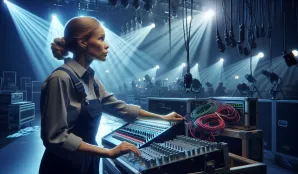
A stage manager has overall responsibility for the technical functions of the stage during theater performances, concerts, and other events. Tasks include leading and coordinating technical staff, ensuring that lighting, sound, and scenery operate according to production requirements, as well as planning and organizing scene changes and rehearsals. The role often involves close collaboration with directors, set designers, and other technical personnel. The work environment is dynamic and can vary from theater houses to arenas and temporary outdoor stages, where quick decision-making and problem-solving skills are crucial.
Read more ->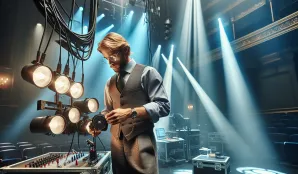
A stage inspector is responsible for coordinating, overseeing, and ensuring that the stage production runs smoothly before, during, and after performances or events. Tasks often include leading technical staff, monitoring safety procedures, coordinating scene changes, and handling technical equipment such as lighting, sound, and scenery. The role involves close collaboration with directors, technicians, and artists to ensure everything proceeds according to plan and schedule. The work environment varies between theaters, concert halls, event venues, and sometimes outdoor stages, where the pace is often fast and flexibility is crucial.
Read more ->
A stage supervisor is responsible for the practical leadership on stage during theater performances, concerts, events, and other stage productions. The role involves planning and coordinating the technical work behind the scenes, directing teams of stage technicians, and ensuring that lighting, sound, decorations, and props are handled correctly and according to schedule. The work environment is often dynamic and can involve working both day and evening shifts, sometimes under time pressure and with demands for quick problem-solving. The work is often done in close cooperation with directors, producers, and other professionals in the performing arts.
Read more ->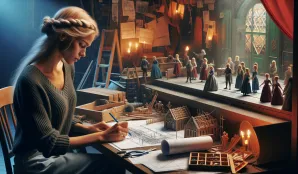
A Stage Decorator is responsible for creating and designing stage environments for theater, film, TV, concerts, and other events. Tasks include interpreting the director's vision, producing sketches, selecting materials, building decorations, and supervising assembly work on site. Collaboration with set designers, lighting technicians, and technical staff is central, as well as managing logistics related to transportation and adjustments during production. The work can be physically demanding, often under time pressure, in environments where both creativity and safety are crucial. Stage Decorators typically work in workshops, on stages, and sometimes outdoors, with varying hours depending on project deadlines and nature.
Read more ->
A stage manager holds overall responsibility for the technical and practical execution of stage productions at theaters, concert halls, or other event venues. Tasks include leading technical staff, planning scene changes, coordinating lighting, sound, and set design, and ensuring that technical equipment functions optimally before and during performances. The stage manager often ensures safety procedures are followed and that collaboration between different technical and production departments runs smoothly. The work environment can be dynamic and sometimes stressful, especially during premieres or major events, where quick adjustments and problem-solving are part of daily life.
Read more ->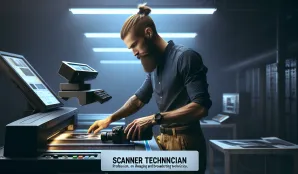
A scanner technician primarily works with managing and maintaining advanced image and document scanning technology within sectors such as media, cultural heritage, archives, and industry. Tasks may include installation, calibration, troubleshooting of scanners, digitization of large volumes of material, and quality control of digital files. The work often takes place in technically advanced environments where precision and accuracy are crucial. Scanner technicians can work independently or in teams, and the work environment varies between offices, studios, and specialized archive facilities depending on the client and project.
Read more ->