News and articles
- Home
- Articles

Latest posts

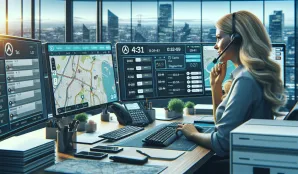
Train traffic controllers are responsible for monitoring, directing, and coordinating train traffic on the Swedish railway network. The job involves making quick decisions in real-time to ensure trains move safely and punctually, as well as minimizing disruptions, delays, and accident risks. Typically, train traffic controllers work in control rooms equipped with advanced technical systems, where the work environment is characterized by high tempo, concentration demands, and a large responsibility for the safety of passengers and freight. Shift work is common, including evenings, nights, and weekends, as railway traffic operates around the clock.
Read more ->
A Tågtekniker is responsible for servicing, maintaining, and repairing trains and their technical systems. Tasks include troubleshooting, component replacement, and preventive maintenance of both mechanical and electrical parts. The work is often performed in a workshop environment but can also involve operations on tracks or in depots. Safety requirements are high, and work is often done in teams where precision and collaboration are crucial. Tågtekniker face daily challenges related to both technology and logistics, making the profession varied and stimulating.
Read more ->
Train coordinators are responsible for planning, monitoring, and coordinating the daily flow of train traffic. Tasks include optimizing train routes, ensuring punctuality, and managing any disruptions in traffic. Communication with drivers, traffic control, maintenance staff, and other stakeholders is central, as well as making quick decisions when conditions change. The work environment features shift work, high pace, and significant safety responsibility, where accuracy and stress resilience are crucial to ensuring safe and efficient train traffic.
Read more ->
A Train Driver is responsible for operating passenger and freight trains according to schedules, following safety procedures and traffic regulations. Tasks also include checking the train's technical functions before departure, maintaining contact with traffic control, and handling any disruptions during travel. Train Drivers often work in shifts, which may involve early mornings, late evenings, and weekends. The work environment is characterized by a high safety focus, working in the cab, and sometimes long periods of solitary work, especially on longer routes.
Read more ->
A Tågbefälhavare is responsible for safety and order onboard trains, with a particular focus on passenger well-being and punctuality. Tasks include coordinating departures, checking tickets, providing passenger information, and handling incidents or disruptions during the journey. The role involves close cooperation with train drivers, conductors, and other onboard staff to ensure a safe and efficient trip. Work is often scheduled at inconvenient times, including evenings, weekends, and nights, demanding flexibility and good stress management. The environment can be varied and sometimes challenging, especially during delays, technical problems, or high passenger loads.
Read more ->
A system developer is responsible for designing, developing, and maintaining software systems used in everything from corporate services to the public sector. The role includes analyzing business needs, creating technical solutions, and implementing them in digital environments. Work is often project-based and can include both new development and further development of existing systems. System developers work closely with other IT specialists, such as testers, project managers, and UX designers, and the environment is usually characterized by collaboration, rapid changes, and high pace. Flexible working hours and opportunities for remote work are common in the profession.
Read more ->
A system analyst is responsible for analyzing, evaluating, and developing complex IT systems and digital processes within various organizations. Tasks include identifying needs, collecting requirements from users and stakeholders, and designing technical solutions that improve information flows and digital structures. The role often involves leading workshops, documenting processes, and working closely with developers and business managers. The work environment is typically office-based, with project work and cross-functional teams, where flexibility and adaptability are key.
Read more ->
A system tester works to ensure the quality of software and IT systems before they are put into use by users or customers. Tasks include planning, executing, and documenting tests to identify errors, deficiencies, and to ensure that the system meets specified requirements. Tests can be manual or automated and often cover everything from functional and performance testing to security and usability testing. The work environment is typically office-based, often in teams with developers, test managers, and other IT specialists. The role requires analytical skills, precision, and good communication skills, as the results are often reported to project managers and other stakeholders.
Read more ->
A system programmer works with developing, maintaining, and optimizing software at the system level. This involves creating and improving operating systems, drivers, compilers, and other software that form the foundation for the functioning of computers and devices. The work often includes writing code in low- or mid-level languages, analyzing performance, and ensuring system security and stability. System programmers are typically employed in technology-intensive industries such as IT, telecommunications, industry, or government, and the work environment is characterized by advanced technical challenges and collaboration with other developers and system architects. The work is often project-based and closely coordinated with both internal and external clients.
Read more ->
A system architect is responsible for developing, designing, and maintaining advanced technical systems, often within IT and software development. Tasks include requirements analysis, system architecture, programming, testing, and integration of various technical components. The role often involves close collaboration with other developers, project managers, and clients to ensure that systems meet both technical and business requirements. The work environment is typically office-based, often in larger technology or consulting companies, characterized by high technical complexity and a fast pace with tight deadlines.
Read more ->