- Salary statistics
- Glass and porcelain painters salary
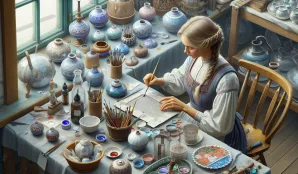
Glass and porcelain painters salary
Latest available salary statistics are for 2025. Compare average pay, salary range and related job listings.
33 800 - 34 000 SEK / month
Hantverksyrken
Related tools
Salary progression Glass and porcelain painters
What does a glass and porcelain painter do? – Tasks and work environment
Glass and porcelain painters work on decorating and applying artistic motifs, patterns, or color layers to glassware and porcelain articles. Their tasks include everything from hand-painting and stencil work to advanced techniques such as enameling and gilding. The work often takes place in smaller studios or workshops where both traditional and modern tools are used. The work environment demands precision, patience, and good color perception, as each item requires careful attention to detail. Glass and porcelain painters sometimes collaborate with designers or ceramicists and may also undertake commissioned projects for companies, restaurants, or private individuals.
Salary development over time
Over the past three years, salary trends for glass and porcelain painters have shown a slight decline. In 2022, the average salary was 34,382 kronor per month. The following year, 2023, the average salary increased marginally to 30 900 kronor per month. However, 2024 saw a significant decrease to 34 000 kronor per month, representing a decline of approximately 10.9% compared to the previous year. This trend may be due to decreased demand for hand-painted glass and porcelain as industrialization and import of cheaper decorative products increase. Changes within the craft sector and competition from digital printing techniques may also have negatively affected salary levels. Despite this, there remains a niche demand for handcrafted decorated items, especially in exclusive segments and custom orders.
Glass and porcelain painter salary – comprehensive overview
- Average salary: 34 000 kr/month
- Lowest/highest salary: Specific levels are lacking, but variations occur depending on experience and employer
- Hourly wage: 186 kr/hour (based on 166 hours/month for hourly workers)
- Gender differences: No data available
- Regional differences: No detailed statistics, but larger cities and tourist regions may offer more opportunities
Education and qualifications
To work as a glass and porcelain painter, a background in crafts, with specialization in glass, ceramics, or decorative painting, is usually required. Many complete a vocational or folk high school education, often supplemented with practical training to gain experience. Further education in color theory and material knowledge is common, as are specialized courses in various painting techniques.
- High school education: Craft program with specialization in crafts (3 years)
- Post-secondary studies: Folk high school or YH training in crafts, often 1–2 years
- Practical training: Apprenticeships or workshop internships are recommended
- Courses and certificates: Courses in decorative painting, glass- or porcelain painting are advantageous
- Prerequisites: Basic artistic ability, good hand-eye coordination, and color perception
Many glass and porcelain painters work on restoring older items and creating new artworks. This offers the opportunity to combine historical craftsmanship with modern design and develop unique techniques often passed down through generations.
Common benefits and compensations
Benefits for glass and porcelain painters can include wellness allowances, flexible working hours, and opportunities for skills development through courses and workshops. In some cases, shared workshops, subsidized materials, or performance-based commissions from sales of artworks are offered. Employment can be in permanent positions or freelance projects, which influences the scope of benefits.
Competition and challenges
The competition within the profession of glass and porcelain painters is intense, especially as mass-produced and cheaper imported products take market share. Many professionals choose to specialize by offering unique or personalized decorations to stand out. Challenges also include maintaining a stable income, as project volume is often seasonal and influenced by economic trends. Digitalization and new printing techniques demand adaptability and innovation from artisans. Despite these challenges, there is steady demand for restoration and exclusive commissioned work, where craftsmanship and experience are key competitive advantages.
Tips for those aspiring to become glass and porcelain painters
To succeed as a glass and porcelain painter, having a genuine artistic flair and great attention to detail is beneficial, as working on intricate designs requires patience and precision. Creativity and openness to new techniques can help develop a unique style and strengthen market positioning. Building a network within the art and craft community is also important for finding collaborations and new commissions. Flexibility and a willingness to continually learn new materials and methods are valuable, especially in a field where trends and techniques evolve quickly. Good business skills are also helpful for pricing and selling your work. Finally, perseverance and passion for craftsmanship are essential to handle periods of low demand and to continue developing professionally.
Key facts about glass and porcelain painters
- Education level: Vocational or post-secondary education in crafts
- Work environment: Small studios, workshops, or own business
- Employment type: Both employed and self-employed work exists
- Demand: 341 job openings within the profession according to current data
- Special skills: Color theory, material knowledge, and advanced painting techniques
Career paths and future prospects
After three to five years in the profession, a glass and porcelain painter can advance to leadership roles within workshops or studios, or specialize in areas such as restoration of antique items and artistic design. There are also opportunities to start a business or work as a consultant for museums and cultural institutions. According to the Swedish Public Employment Service, the outlook for the profession is relatively stable, with 341 registered job openings. However, growth is affected by economic cycles and consumption trends in the craft sector. Continuously developing new techniques and building a strong network are crucial for long-term success.
Frequently asked questions about glass and porcelain painters
- What does a glass and porcelain painter earn?
- A glass and porcelain painter has an average salary of 34 000 kronor per month. - What education is required to become a glass and porcelain painter?
- Typically, a vocational or post-secondary education in crafts, often supplemented with practical training. - What is the job market like for glass and porcelain painters?
- There are 341 job openings within the profession, but competition is high and many work as self-employed. - What tasks does a glass and porcelain painter perform?
- Responsibilities include decorating, painting, restoring, and designing glass and porcelain items. - Are there regional differences in salary?
- Specific figures are lacking, but larger cities and tourist regions may offer more opportunities and higher salaries. - What personal qualities are important in this profession?
- Attention to detail, artistic sense, patience, and creativity are key for success. - What benefits are common in this profession?
- Benefits include wellness allowances, flexible hours, and opportunities for skills development.

Salary distributed by age and sector
| Age | Base salary | Monthly salary | |
|---|---|---|---|
| Snitt | 33800 kr | 34000 kr |
| Age | Base salary | Monthly salary | |
|---|---|---|---|
| Snitt | 33800 kr | 34000 kr |
| Age | Base salary | Monthly salary | |
|---|---|---|---|
| Snitt | 33800 kr | 34000 kr |

About the data
All information displayed on this page is based on data from the Swedish Central Bureau of Statistics (SCB), the Swedish Tax Agency and the Swedish employment agency. Learn more about our data and data sources here.
All figures are gross salaries, meaning salaries before tax. The average salary, or mean salary, is calculated by adding up the total salary for all individuals within the profession and dividing it by the number of individuals. For specific job categories, we have also considered various criteria such as experience and education.
Profession Glass and porcelain painters has the SSYK code 7319, which we use to match against the SCB database to obtain the latest salary statistics.
-

Production Staff Wanted at Svebab – Svenska Brandslangsfabriken AB
Musical instrument makers and other artisans
Fri, 10 Jul 2026 - 21:23 -

Engraver and Customer Receptionist at Vasaboden – Full-Time Temporary Position
Musical instrument makers and other artisans
Tue, 7 Jul 2026 - 09:01 -

Screen Printer for Sign Production in Tumba
Musical instrument makers and other artisans
Mon, 29 Jun 2026 - 23:45 -

Machine Operator for Glass Manufacturing in Limmared
Musical instrument makers and other artisans
Thu, 25 Jun 2026 - 22:17 -

Teacher in Wood and Metal Craft at Vasaskolan in Hedemora
Musical instrument makers and other artisans
Thu, 25 Jun 2026 - 21:44
Compare salary, work tasks and job outlook in adjacent occupations to find roles with similar skills or pay levels.
-
Upholsterer, seamstress salary
Average salary: 32 200 SEK/month • Hantverksyrken
Upholsterers
Compare with Glass and porcelain painters
Mon, 13 Jul 2026 - 19:41 -

Average salary: 40 900 SEK/month • Hantverksyrken
Precision mechanics
Compare with Glass and porcelain painters
Mon, 13 Jul 2026 - 13:51 -

Average salary: 34 200 SEK/month • Hantverksyrken
Fine, interior and furniture carpenters
Compare with Glass and porcelain painters
Wed, 8 Jul 2026 - 18:06 -

Average salary: 34 000 SEK/month • Hantverksyrken
Musical instrument makers and other artisans
Compare with Glass and porcelain painters
Tue, 14 Jul 2026 - 07:11 -

Average salary: 38 800 SEK/month • Hantverksyrken
Blacksmiths
Compare with Glass and porcelain painters
Tue, 14 Jul 2026 - 07:13 -

Average salary: 34 000 SEK/month • Hantverksyrken
Musical instrument makers and other artisans
Compare with Glass and porcelain painters
Tue, 14 Jul 2026 - 07:16


