- Salary statistics
- Supervisor salary
Supervisor salary
Latest available salary statistics are for 2025. Compare average pay, salary range and related job listings.
26 000 - 32 000 SEK / month
Naturbruk
Related tools
Salary progression Supervisor
What does a bee inspector do? – Tasks and work environment
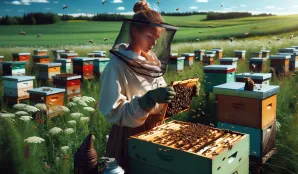
A bee inspector works with monitoring and controlling beekeeping operations, focusing on ensuring bees remain healthy and that laws and regulations regarding beekeeping are followed. The role involves regular inspections of hives, advising beekeepers, and reporting disease outbreaks or deviations to authorities. The work environment can vary between fieldwork outdoors, where hives are located, and administrative tasks involving documentation and reporting. The job requires good knowledge of bees and their diseases, accuracy, and the ability to communicate effectively with both authorities and beekeepers.
Salary development over time
The salary development for bee inspectors has shown some variation over the past three years. In 2022, the average salary was 25,000 SEK per month. In 2023, the salary increased to 26 300 SEK, corresponding to approximately 11% growth. In 2024, the average salary has been adjusted downward to 30 000 SEK per month, representing a decrease of about 5% compared to the previous year. This variation can be explained by changes in labor market demand, seasonal fluctuations, and differences in education and work experience among professionals. Despite the fluctuations, the salary level remains relatively stable compared to other occupations within the category of animal breeders and animal caretakers.
Bee inspector salary – comprehensive overview
- Average salary: 30 000 SEK/month
- Lowest salary: 25,100 SEK
- Highest salary: 28,000 SEK
- Hourly wage: 158 SEK
- Women: 30 000 SEK
- Men: we lack specific salary data for men
- Regional differences: No detailed information available
Education and qualifications
To work as a bee inspector, a high school education with a focus on animal or natural sciences is usually required, supplemented with post-secondary courses in beekeeping and animal health. Many employers require practical experience in beekeeping and good knowledge of bee diseases and disease prevention. It is also common for bee inspectors to undergo specialized training or certification courses arranged by industry organizations or authorities.
- High school education: Natural sciences or animal care, 3 years
- Post-secondary education: Beekeeping, 1–3 years
- Certification courses: Special courses in bee inspection and disease control
- Practical experience: Experience in beekeeping is strongly recommended
- Prerequisites: Basic knowledge of animal health and biology
Bee inspectors often have close contact with both small-scale and commercial beekeepers, providing unique opportunities to promote sustainable beekeeping and biodiversity. Those engaged in environmental and nature conservation can thus make a significant difference in this role.
Common benefits and compensations
Bee inspectors are often offered benefits such as wellness allowances, flexible working hours, and some equipment for fieldwork. Some employers also provide work clothing, protective gear, and opportunities for professional development through courses in animal health and disease control.
Competition and challenges
The labor market for bee inspectors is relatively limited, and competition for positions can be fierce, especially in regions with few beekeeping operations or where authorities have less need for inspections. The work also involves physical outdoor activities in varying weather conditions, requiring high accuracy and the ability to manage disease risks. Developments in the beekeeping industry, such as new bee diseases or legislative changes, can also impact the role and tasks. However, individuals with the right skills and a genuine interest in beekeeping have good opportunities for career development within the profession.
Tips for aspiring bee inspectors
To succeed as a bee inspector, it is beneficial to combine a strong interest in animals with accuracy and good teamwork skills. Gaining practical experience in beekeeping early on, for example through involvement in a local beekeeping association, increases chances of employment. It is also important to be communicative and pedagogical, as the role involves significant contact with beekeepers and authorities. An analytical mindset helps in assessing hive health and reporting diseases. Flexibility and adaptability to different environments and tasks are also valuable qualities for thriving and developing in the role.
Key facts about bee inspectors
- Education level: High school or post-secondary education in animal/natural sciences
- Work environment: Combination of fieldwork and administrative tasks
- Typical employment: Permanent or project-based assignments
- Demand: 360 job openings according to latest data
- Special skills: Beekeeping, animal health, disease control
Career paths and future prospects
After a few years in the profession, a bee inspector can specialize in areas such as bee diseases, advising beekeepers, or work as an educator in beekeeping and disease prevention. There are also opportunities to advance to coordinating or leadership roles within authorities or industry organizations. According to the Swedish Employment Service's forecast, the need for bee inspectors and similar roles remains stable, especially with increased interest in biodiversity and sustainable food production. Those with post-secondary education and several years of experience have the best chances for further development and higher salaries within the profession.
Frequently asked questions about bee inspectors
- What does a bee inspector earn?
- A bee inspector has an average salary of 30 000 SEK per month, with variations depending on experience and education. - What education is required to become a bee inspector?
- Typically, a high school education in natural sciences or animal care, often supplemented with courses in beekeeping and disease control. - What is the job market like for bee inspectors?
- Recently, there were 360 job openings in the profession, indicating stable demand. - Are there gender pay differences for bee inspectors?
- Women have an average salary of 30 000 SEK, but specific data for men is lacking. - What are the duties of a bee inspector?
- Duties include inspecting hives, advising beekeepers, and reporting disease cases. - Can one pursue further education within the profession?
- Yes, opportunities for specialization in bee diseases and consulting are available.

Salary distributed by age and sector
| Age | Base salary | Monthly salary | |
|---|---|---|---|
| 18-24 | 23300 kr | 27500 kr | |
| 25-34 | 29600 kr | 30700 kr | |
| Snitt | 28500 kr | 30000 kr |
| Age | Base salary | Monthly salary | |
|---|---|---|---|
| 18-24 | 103% | 25200 kr | 26000 kr |
| 25-34 | 108% | 26700 kr | 27700 kr |
| 35-44 | 27300 kr | 27600 kr | |
| 45-54 | 29000 kr | 29600 kr | |
| 55-64 | 99% | 27200 kr | 28400 kr |
| Snitt | 103% | 26900 kr | 27700 kr |
| Age | Base salary | Monthly salary | |
|---|---|---|---|
| 18-24 | 103% | 25200 kr | 26000 kr |
| 25-34 | 108% | 26700 kr | 27700 kr |
| 35-44 | 27300 kr | 27600 kr | |
| 45-54 | 29000 kr | 29600 kr | |
| 55-64 | 99% | 27200 kr | 28400 kr |
| Snitt | 103% | 26900 kr | 27700 kr |
| Age | Base salary | Monthly salary | |
|---|---|---|---|
| 18-24 | 22900 kr | 27900 kr | |
| Snitt | 29000 kr | 30600 kr |
| Age | Base salary | Monthly salary | |
|---|---|---|---|
| 18-24 | 22900 kr | 27900 kr | |
| Snitt | 29000 kr | 30600 kr |
| Age | Base salary | Monthly salary | |
|---|---|---|---|
| 18-24 | 103% | 25300 kr | 25400 kr |
| 25-34 | 108% | 25300 kr | 25800 kr |
| 55-64 | 99% | 28200 kr | 28700 kr |
| Snitt | 103% | 26600 kr | 27000 kr |
| Age | Base salary | Monthly salary | |
|---|---|---|---|
| 18-24 | 103% | 25300 kr | 25400 kr |
| 25-34 | 108% | 25300 kr | 25800 kr |
| 55-64 | 99% | 28200 kr | 28700 kr |
| Snitt | 103% | 26600 kr | 27000 kr |
| Age | Base salary | Monthly salary | |
|---|---|---|---|
| 18-24 | 23200 kr | 27600 kr | |
| 25-34 | 29700 kr | 30800 kr | |
| Snitt | 29400 kr | 31000 kr |
| Age | Base salary | Monthly salary | |
|---|---|---|---|
| 18-24 | 103% | 25200 kr | 26100 kr |
| 25-34 | 108% | 26800 kr | 27800 kr |
| 35-44 | 27300 kr | 27500 kr | |
| 45-54 | 29100 kr | 29700 kr | |
| 55-64 | 99% | 27000 kr | 28400 kr |
| Snitt | 103% | 26900 kr | 27700 kr |
| Age | Base salary | Monthly salary | |
|---|---|---|---|
| 18-24 | 103% | 25200 kr | 26100 kr |
| 25-34 | 108% | 26800 kr | 27800 kr |
| 35-44 | 27300 kr | 27500 kr | |
| 45-54 | 29100 kr | 29700 kr | |
| 55-64 | 99% | 27000 kr | 28400 kr |
| Snitt | 103% | 26900 kr | 27700 kr |
| Age | Base salary | Monthly salary | |
|---|---|---|---|
| 18-24 | 22800 kr | 27900 kr | |
| Snitt | 30200 kr | 32000 kr |
| Age | Base salary | Monthly salary | |
|---|---|---|---|
| 18-24 | 22800 kr | 27900 kr | |
| Snitt | 30200 kr | 32000 kr |

About the data
All information displayed on this page is based on data from the Swedish Central Bureau of Statistics (SCB), the Swedish Tax Agency and the Swedish employment agency. Learn more about our data and data sources here.
All figures are gross salaries, meaning salaries before tax. The average salary, or mean salary, is calculated by adding up the total salary for all individuals within the profession and dividing it by the number of individuals. For specific job categories, we have also considered various criteria such as experience and education.
Profession Supervisor has the SSYK code 6129, which we use to match against the SCB database to obtain the latest salary statistics.
-
Animal Care Assistant Wanted at Hags Gårdsveterinär in Avesta
Other animal breeders and animal caretakers
Mon, 13 Jul 2026 - 21:18 -
Job in Robotic Milking and Feeding
Other animal breeders and animal caretakers
Sat, 11 Jul 2026 - 20:32 -

Veterinary Care Assistant Needed in Stockholm – AnnSam AB
Other animal breeders and animal caretakers
Thu, 9 Jul 2026 - 21:18 -
Animal Caretaker for Newborns – Granepig AB
Other animal breeders and animal caretakers
Mon, 6 Jul 2026 - 21:37 -
Animal Caretaker Needed in Stockholm – AnnSam AB
Other animal breeders and animal caretakers
Mon, 6 Jul 2026 - 20:38
Compare salary, work tasks and job outlook in adjacent occupations to find roles with similar skills or pay levels.
-

Farmer, plant cultivation salary
Average salary: 31 752 SEK/month • Naturbruk
Growers of agricultural crops, fruit and berries
Compare with Supervisor
Mon, 13 Jul 2026 - 17:09 -

Agricultural foreman, mixed operation salary
Average salary: 28 900 SEK/month • Naturbruk
Plant growers and animal breeders, mixed operations
Compare with Supervisor
Mon, 13 Jul 2026 - 07:18 -
Average salary: 44 800 SEK/month • Naturbruk
Specialists and advisors in forestry
Compare with Supervisor
Tue, 14 Jul 2026 - 07:12 -

Average salary: 29 784 SEK/month • Naturbruk
Breeders and caretakers of pets
Compare with Supervisor
Tue, 14 Jul 2026 - 05:53 -

Average salary: 32 000 SEK/month • Naturbruk
Gardeners etc.
Compare with Supervisor
Tue, 14 Jul 2026 - 04:59 -

Average salary: 28 200 SEK/month • Naturbruk
Berry pickers and planters etc.
Compare with Supervisor
Sun, 12 Jul 2026 - 06:51


