- Salary statistics
- Stable caretaker salary
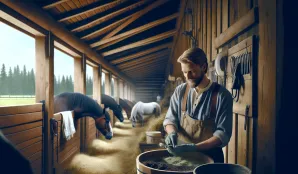
Stable caretaker salary
Latest available salary statistics are for 2025. Compare average pay, salary range and related job listings.
26 500 - 29 000 SEK / month
Women earn 100% of what men do.
Naturbruk
Related tools
Salary progression Stable caretaker
What does a stable hand do? – Tasks and work environment
A stable hand is responsible for the daily care of horses and stable environment. Tasks include feeding, mucking out, watering, grooming, and keeping the stable clean. Many stable hands also participate in basic veterinary care, maintenance of equipment, and assist during training and competitions. The work mainly takes place outdoors or in stable environments, requiring good physical condition and resilience to weather conditions. The work environment is characterized by varied workdays, early mornings, and sometimes work on weekends and evenings.
Salary development over time
Over the past three years, salary development for stable hands has been clearly positive. In 2022, the average salary was 23,500 SEK per month, rising the following year to 27 500. By 2024, the average salary increased further to 28 200, representing a total increase of just over 17% during the period. This salary increase can partly be explained by increased demand for qualified staff and employers needing to compete for workforce, especially during periods of labor shortages. Salaries have also been influenced by general wage adjustments within the broader occupational group and the fact that more stable hands have obtained further education. Despite this positive trend, the average salary remains relatively low compared to other professions within agriculture.
Stable hand salary – comprehensive overview
- Average salary: 28 200 SEK/month
- Lowest salary: 24,900 SEK/month
- Highest salary: 28,500 SEK/month
- Hourly wage (average): 165 SEK
- Men (average): 28 200 SEK/month
- Women (average): 26,800 SEK/month
- Women earn: 100% of men's salaries
- Regional differences: Highest wages in regional sectors, lowest in public sector
Education and qualifications
To work as a stable hand, a high school education in agriculture is usually required, often with a focus on horses or animal care. Practical experience is highly valued, and many employers prefer applicants who have completed internships or worked part-time in stable environments. Further education and specialized courses in horse care, animal health, and safety increase employment opportunities and career development within the profession.
- High school education: Agriculture program, 3 years
- Certifications: Courses in horse care, animal health, safety
- Internship: Often a requirement during education
- Pre-knowledge: Experience with animal husbandry is advantageous
- Further education: Opportunities for additional courses and specialization
Many stable hands have the opportunity to work closely with competition horses and can sometimes accompany them to competitions or training. This provides a unique insight into the world of equestrian sports and can open doors to new roles within the industry.
Common benefits and compensation
Common benefits for stable hands often include access to staff housing or subsidized accommodation, work clothes, and free meals during shifts. Some employers also offer wellness allowances and opportunities for further training. Irregular working hours may sometimes be compensated with overtime pay and additional days off.
Competition and challenges
The competition for positions as a stable hand is generally moderate, but the job market varies depending on region and season. Demand for the profession is stable, but working conditions can be physically demanding and sometimes monotonous. Long workdays, weekend work, and in some cases low wages make the profession demanding in terms of engagement and endurance. Workforce supply is also affected by many young people choosing to pursue education in other fields, which can create temporary shortages. At the same time, the large number of available jobs in the industry offers good opportunities for those who want to establish themselves.
Tips for those who want to become a stable hand
To succeed as a stable hand, it is good to have a genuine interest in animals and to be meticulous in your work. Engagement is an important trait, especially since daily routines require stamina and a sense of responsibility. Those who are flexible and can adapt to irregular working hours often find it easier to thrive in the profession. Being service-minded and able to collaborate with colleagues, horse owners, and visitors is also central. Practical experience, preferably through part-time jobs or internships, provides valuable insight and strengthens employment prospects. Physical strength and good fitness facilitate often heavy tasks, and a willingness to continuously learn new skills helps you develop in the role.
Key facts about Stable Hand
- Salary range: 24,900–28,500 SEK/month
- Educational level: High school education, agriculture (3 years)
- Work environment: Stable and outdoors, physically demanding
- Job openings: Approximately 360 within the profession (May 2024)
- Future prospects: Moderate, unchanged demand over 5 years
Career paths and future outlook
After a few years of experience as a stable hand, there are opportunities to advance to supervisory roles, such as foreman or stable manager. Some choose to specialize in horse healthcare, training, or work as riding instructors after additional training. According to the Swedish Public Employment Service's forecasts, opportunities within the profession are moderate, and demand is expected to remain unchanged over the next five years. This means competition for positions is relatively balanced, with good prospects for those with the right skills and experience. The number of job openings is stable, providing security for those aiming for a long-term career in the field.
Frequently asked questions about Stable Hand
- What is the average salary of a Stable Hand?
- The average salary for a stable hand is 28 200 SEK per month. - What education is required to become a stable hand?
- Typically, high school education in agriculture, preferably with a focus on horses. - Are there differences between men's and women's salaries?
- Yes, women earn on average 26,800 SEK, which corresponds to 100% of men's salaries. - What does the job market look like for stable hands?
- Employment opportunities are moderate, and demand is expected to remain unchanged over the next five years. - What personal qualities are important?
- Engagement, responsibility, and good physical fitness are important qualities for a stable hand. - Are there opportunities for further education?
- Yes, there are several advanced courses and opportunities to specialize within the industry. - What is the work environment like?
- Work mainly takes place in stables and outdoors, involving physical work and varied environments.

Salary distributed by age and sector
| Age | Base salary | Monthly salary | |
|---|---|---|---|
| 18-24 | 26800 kr | 27800 kr | |
| 25-34 | 28100 kr | 28400 kr | |
| 35-44 | 97% | 28500 kr | 28700 kr |
| 45-54 | 27500 kr | 27700 kr | |
| 55-64 | 28200 kr | 28400 kr | |
| Snitt | 100% | 27700 kr | 28200 kr |
| Age | Base salary | Monthly salary | |
|---|---|---|---|
| 25-34 | 25600 kr | 25600 kr | |
| 35-44 | 98% | 27000 kr | 27400 kr |
| Snitt | 97% | 26700 kr | 26900 kr |
| Age | Base salary | Monthly salary | |
|---|---|---|---|
| 25-34 | 25600 kr | 25600 kr | |
| 35-44 | 98% | 27000 kr | 27400 kr |
| Snitt | 97% | 26700 kr | 26900 kr |
| Age | Base salary | Monthly salary | |
|---|---|---|---|
| 18-24 | 26800 kr | 27800 kr | |
| 25-34 | 28100 kr | 28400 kr | |
| 35-44 | 97% | 28500 kr | 28700 kr |
| 45-54 | 27500 kr | 27700 kr | |
| 55-64 | 28200 kr | 28400 kr | |
| Snitt | 100% | 27700 kr | 28200 kr |
| Age | Base salary | Monthly salary | |
|---|---|---|---|
| 18-24 | 26800 kr | 27800 kr | |
| 25-34 | 28100 kr | 28400 kr | |
| 35-44 | 97% | 28500 kr | 28700 kr |
| 45-54 | 27500 kr | 27700 kr | |
| 55-64 | 28200 kr | 28400 kr | |
| Snitt | 100% | 27700 kr | 28200 kr |
| Age | Base salary | Monthly salary | |
|---|---|---|---|
| 18-24 | 26700 kr | 27300 kr | |
| 25-34 | 28400 kr | 28800 kr | |
| 35-44 | 97% | 28700 kr | 29000 kr |
| 45-54 | 27500 kr | 27700 kr | |
| 55-64 | 28200 kr | 28400 kr | |
| Snitt | 100% | 27800 kr | 28200 kr |
| Age | Base salary | Monthly salary | |
|---|---|---|---|
| 35-44 | 98% | 26800 kr | 27700 kr |
| Snitt | 97% | 26900 kr | 27200 kr |
| Age | Base salary | Monthly salary | |
|---|---|---|---|
| 35-44 | 98% | 26800 kr | 27700 kr |
| Snitt | 97% | 26900 kr | 27200 kr |
| Age | Base salary | Monthly salary | |
|---|---|---|---|
| 18-24 | 26700 kr | 27300 kr | |
| 25-34 | 28400 kr | 28800 kr | |
| 35-44 | 97% | 28700 kr | 29000 kr |
| 45-54 | 27500 kr | 27700 kr | |
| 55-64 | 28200 kr | 28400 kr | |
| Snitt | 100% | 27800 kr | 28200 kr |
| Age | Base salary | Monthly salary | |
|---|---|---|---|
| 18-24 | 26700 kr | 27300 kr | |
| 25-34 | 28400 kr | 28800 kr | |
| 35-44 | 97% | 28700 kr | 29000 kr |
| 45-54 | 27500 kr | 27700 kr | |
| 55-64 | 28200 kr | 28400 kr | |
| Snitt | 100% | 27800 kr | 28200 kr |
| Age | Base salary | Monthly salary | |
|---|---|---|---|
| 35-44 | 97% | 28000 kr | 28100 kr |
| Snitt | 100% | 27400 kr | 28200 kr |
| Age | Base salary | Monthly salary | |
|---|---|---|---|
| 25-34 | 25900 kr | 25900 kr | |
| 35-44 | 98% | 27100 kr | 27100 kr |
| Snitt | 97% | 26500 kr | 26500 kr |
| Age | Base salary | Monthly salary | |
|---|---|---|---|
| 25-34 | 25900 kr | 25900 kr | |
| 35-44 | 98% | 27100 kr | 27100 kr |
| Snitt | 97% | 26500 kr | 26500 kr |
| Age | Base salary | Monthly salary | |
|---|---|---|---|
| 35-44 | 97% | 28000 kr | 28200 kr |
| Snitt | 100% | 27400 kr | 28200 kr |
| Age | Base salary | Monthly salary | |
|---|---|---|---|
| 35-44 | 97% | 28000 kr | 28200 kr |
| Snitt | 100% | 27400 kr | 28200 kr |

About the data
All information displayed on this page is based on data from the Swedish Central Bureau of Statistics (SCB), the Swedish Tax Agency and the Swedish employment agency. Learn more about our data and data sources here.
All figures are gross salaries, meaning salaries before tax. The average salary, or mean salary, is calculated by adding up the total salary for all individuals within the profession and dividing it by the number of individuals. For specific job categories, we have also considered various criteria such as experience and education.
Profession Stable caretaker has the SSYK code 9210, which we use to match against the SCB database to obtain the latest salary statistics.
-
Greenhouse Worker for Tulip Cultivation in Vallentuna
Berry pickers and planters etc.
Mon, 13 Jul 2026 - 21:44 -

Strawberry Pickers Wanted at Vareborgs Bärodling AB
Berry pickers and planters etc.
Mon, 13 Jul 2026 - 21:20 -

Wild Berry Picker – Forest Work – Driver's License B Required
Berry pickers and planters etc.
Mon, 6 Jul 2026 - 23:10 -
PlantRobotic seeks engaged talents for sustainable berry production in Malmö
Berry pickers and planters etc.
Sun, 5 Jul 2026 - 20:36 -
Physically Demanding Warehouse Job – Berry Weighing (17:00-21:00)
Berry pickers and planters etc.
Sat, 4 Jul 2026 - 20:34
Compare salary, work tasks and job outlook in adjacent occupations to find roles with similar skills or pay levels.
-

Operations manager, agriculture, agricultural pets salary
Average salary: 29 400 SEK/month • Naturbruk
Breeders and caretakers of farm animals
Compare with Stable caretaker
Tue, 14 Jul 2026 - 13:07 -

Average salary: 44 900 SEK/month • Naturbruk
Specialists and advisors in agriculture etc.
Compare with Stable caretaker
Tue, 14 Jul 2026 - 14:59 -

Homeowners, mixed operation salary
Average salary: 28 900 SEK/month • Naturbruk
Plant growers and animal breeders, mixed operations
Compare with Stable caretaker
Tue, 14 Jul 2026 - 13:06 -

Replacement, mixed operation salary
Average salary: 28 900 SEK/month • Naturbruk
Plant growers and animal breeders, mixed operations
Compare with Stable caretaker
Tue, 14 Jul 2026 - 08:16 -

Average salary: 32 000 SEK/month • Naturbruk
Gardeners etc.
Compare with Stable caretaker
Tue, 14 Jul 2026 - 11:00 -

EU inspector, agricultural support salary
Average salary: 44 900 SEK/month • Naturbruk
Specialists and advisors in agriculture etc.
Compare with Stable caretaker
Tue, 14 Jul 2026 - 13:58


