- Salary statistics
- Pistor salary
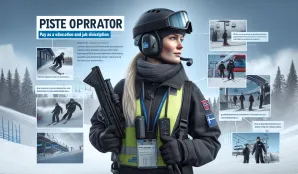
Pistor salary
Latest available salary statistics are for 2025. Compare average pay, salary range and related job listings.
30 800 - 49 800 SEK / month
Women earn 92% of what men do.
Säkerhetsarbete
Related tools
Salary progression Pistor
What does a pisteur do? – Tasks and work environment
A pisteur plays a central role in ski resorts and mountain facilities where guest and staff safety is the focus. Tasks include daily inspection and preparation of ski slopes, monitoring avalanche risk, and managing rescue efforts in case of accidents. Pisteurs also mark hazardous areas, set up signs and barriers, and assist with evacuation and first aid when needed. The work environment is often outdoors, in varying and sometimes extreme weather conditions, requiring good physical endurance and the ability to make quick decisions under pressure. The profession involves shift work and seasonal employment, with high workload during the winter season.
Salary development over time
The salary development for pisteurs has shown steady growth over the past three years. In 2022, the average salary was 30,700 SEK per month, increasing to 34 500 SEK in 2023. In 2024, the average salary reached 35 200 SEK, corresponding to an increase of about 12% over the period. This positive trend can be attributed to increased demand for qualified security personnel in mountain resorts, along with higher educational and certification requirements as safety work has become more complex. Competition for experienced workers has also contributed to rising wages, especially in popular ski areas where the supply of pisteurs is limited during peak season.
Pisteur salary – comprehensive overview
- Average salary: 35 200 SEK/month
- Lowest salary: 30,200 SEK/month (men), 30,600 SEK/month (women)
- Highest salary: 47,100 SEK/month (men), 41,700 SEK/month (women)
- Hourly wage: 207 SEK
- Gender pay gap: Women earn 92% of what men do (men: 36 400 SEK, women: 33 500 SEK)
- Regional differences: Salaries vary depending on the size of the facility and region, with higher wages in large mountain areas.
Education and qualifications
The path to becoming a pisteur usually involves secondary education supplemented with special safety courses and practical experience within the ski industry. Formal requirements vary between employers, but work experience in security, rescue services, or similar fields is common. Many employers also require certifications in avalanche safety and first aid.
- Secondary education: Focus on nature tourism, safety, or sports recommended
- Certifications: Avalanche safety, first aid, and snowmobile licenses are often advantageous
- Practical experience: Experience working on ski slopes or similar environments is valuable
- Pre-requisites: Good physical condition and outdoor work experience in cold weather
- Tips for choosing: Seek seasonal work or internships to build experience
A pisteur often needs to quickly assess and handle unexpected situations, especially during sudden weather changes or accidents on the slopes. The work requires both technical knowledge and a high level of service skills, as guest interaction is a natural part of the daily routine.
Common benefits and compensations
Pisteurs are often offered seasonal bonuses, staff accommodation, and free or discounted lift passes as part of their employment package. Other common benefits include wellness allowances, work clothing, and opportunities for further training in safety and avalanche knowledge. In some cases, meals and transportation to and from the workplace may also be included.
Competition and challenges
The competition for positions as a pisteur is particularly high in popular ski resorts where the demand for experienced and well-trained staff is strong, especially during peak season. Major challenges include harsh weather conditions, physically demanding workdays, and the need for constant readiness for accidents and emergencies. The ability to quickly adapt to changing conditions and collaborate effectively with other professionals is crucial. Additionally, working hours can be irregular, with early mornings and late evenings, requiring flexibility and stamina.
Tips for aspiring pisteurs
To succeed as a pisteur, it is beneficial to combine a strong safety mindset with good physical condition, as the work is often intensive and varied. Resilience to stress helps in emergency situations and during rapid weather changes, while teamwork skills facilitate daily collaboration with colleagues and other professionals. Seeking internships or seasonal work early on helps build experience and demonstrate initiative and commitment. An interest in technology and machinery, such as snowmobiles and piste machines, can be a significant advantage. Good service skills and the ability to communicate with guests are also important, as guest interaction is a natural part of the job.
Key facts about pisteurs
- Salary range: 30,200–47,100 SEK/month
- Education level: Secondary education with additional certifications
- Typical employment: Seasonal outdoor work
- Demand: 191 job openings within the profession
- Gender pay gap: Women earn 92% of what men do
Career paths and future prospects
After three to five years in the profession, pisteurs have opportunities to advance to supervisory roles, such as operations manager or safety director within larger ski resorts. Specialization in avalanche safety or training new pisteurs is another common development path. The Employment Service’s forecasts indicate continued stable demand, with many job openings and increasing requirements for formal qualifications and further education in safety. Digitalization and new technologies, such as GPS-based piste preparation, are also expected to create new skill requirements and career opportunities for those who wish to develop within the profession.
Frequently asked questions about pisteurs
- What does a pisteur earn?
- A pisteur has an average salary of 35 200 SEK per month, with variations depending on experience, workplace, and region. - How do you become a pisteur?
- The most common path is secondary education with a focus on nature tourism or safety, supplemented with certifications and practical experience. - Are there salary differences between men and women?
- Yes, women earn approximately 92% of what men do within the profession. - What are the job responsibilities of a pisteur?
- Pisteurs are responsible for safety on ski slopes, preparing pistes, avalanche safety, and rescue efforts in case of accidents. - What benefits are common for pisteurs?
- Common benefits include staff accommodation, lift passes, wellness allowances, and seasonal bonuses. - What are the future prospects?
- Projections show continued strong demand for pisteurs, especially with increasing safety and training requirements.

Salary distributed by age and sector
| Age | Base salary | Monthly salary | |
|---|---|---|---|
| 18-24 | 97% | 26400 kr | 30200 kr |
| 25-34 | 98% | 31100 kr | 33800 kr |
| 35-44 | 90% | 35000 kr | 37100 kr |
| 45-54 | 90% | 36100 kr | 38300 kr |
| 55-64 | 94% | 35100 kr | 36900 kr |
| Snitt | 92% | 32700 kr | 35200 kr |
| Age | Base salary | Monthly salary | |
|---|---|---|---|
| 18-24 | 95% | 26100 kr | 30500 kr |
| 25-34 | 90% | 31300 kr | 35200 kr |
| 35-44 | 89% | 35700 kr | 38300 kr |
| 45-54 | 84% | 37900 kr | 40400 kr |
| 55-64 | 89% | 35500 kr | 37700 kr |
| 65-68 | 92% | 33200 kr | 35900 kr |
| Snitt | 88% | 33700 kr | 36800 kr |
| Age | Base salary | Monthly salary | |
|---|---|---|---|
| 18-24 | 96% | 29000 kr | 35300 kr |
| 25-34 | 90% | 36200 kr | 41900 kr |
| 35-44 | 93% | 41400 kr | 45100 kr |
| 45-54 | 90% | 44400 kr | 47700 kr |
| 55-64 | 95% | 41400 kr | 45600 kr |
| 65-68 | 40000 kr | 45100 kr | |
| Snitt | 93% | 39800 kr | 44200 kr |
| Age | Base salary | Monthly salary | |
|---|---|---|---|
| 18-24 | 103% | 24900 kr | 28700 kr |
| 25-34 | 102% | 28400 kr | 31300 kr |
| 35-44 | 103% | 31400 kr | 33200 kr |
| 45-54 | 101% | 32100 kr | 33600 kr |
| 55-64 | 102% | 32800 kr | 34200 kr |
| 65-68 | 101% | 31700 kr | 33800 kr |
| Snitt | 102% | 30100 kr | 32300 kr |
| Age | Base salary | Monthly salary | |
|---|---|---|---|
| 18-24 | 99% | 26500 kr | 30000 kr |
| 25-34 | 103% | 30900 kr | 33000 kr |
| 35-44 | 34400 kr | 36100 kr | |
| 45-54 | 96% | 34400 kr | 36400 kr |
| 55-64 | 34600 kr | 36000 kr | |
| Snitt | 96% | 31800 kr | 34000 kr |
| Age | Base salary | Monthly salary | |
|---|---|---|---|
| 18-24 | 99% | 26500 kr | 30000 kr |
| 25-34 | 103% | 30900 kr | 33000 kr |
| 35-44 | 34400 kr | 36100 kr | |
| 45-54 | 96% | 34400 kr | 36400 kr |
| 55-64 | 34600 kr | 36000 kr | |
| Snitt | 96% | 31800 kr | 34000 kr |
| Age | Base salary | Monthly salary | |
|---|---|---|---|
| 18-24 | 97% | 26600 kr | 30700 kr |
| 25-34 | 98% | 30900 kr | 34100 kr |
| 35-44 | 90% | 35900 kr | 38500 kr |
| 45-54 | 90% | 37300 kr | 39800 kr |
| 55-64 | 94% | 35600 kr | 37700 kr |
| Snitt | 92% | 33500 kr | 36400 kr |
| Age | Base salary | Monthly salary | |
|---|---|---|---|
| 18-24 | 95% | 26300 kr | 31300 kr |
| 25-34 | 90% | 31900 kr | 36600 kr |
| 35-44 | 89% | 36700 kr | 39900 kr |
| 45-54 | 84% | 39800 kr | 42900 kr |
| 55-64 | 89% | 36700 kr | 39500 kr |
| 65-68 | 92% | 34400 kr | 36900 kr |
| Snitt | 88% | 34900 kr | 38500 kr |
| Age | Base salary | Monthly salary | |
|---|---|---|---|
| 18-24 | 96% | 28700 kr | 35500 kr |
| 25-34 | 90% | 36100 kr | 42600 kr |
| 35-44 | 93% | 41500 kr | 45700 kr |
| 45-54 | 90% | 44700 kr | 48600 kr |
| 55-64 | 95% | 41300 kr | 45800 kr |
| 65-68 | 40000 kr | 45100 kr | |
| Snitt | 93% | 39700 kr | 44700 kr |
| Age | Base salary | Monthly salary | |
|---|---|---|---|
| 18-24 | 103% | 24600 kr | 28200 kr |
| 25-34 | 102% | 28100 kr | 31000 kr |
| 35-44 | 103% | 30800 kr | 32700 kr |
| 45-54 | 101% | 31900 kr | 33500 kr |
| 55-64 | 102% | 32400 kr | 33700 kr |
| 65-68 | 101% | 32200 kr | 33800 kr |
| Snitt | 102% | 29700 kr | 31900 kr |
| Age | Base salary | Monthly salary | |
|---|---|---|---|
| 18-24 | 99% | 26700 kr | 30200 kr |
| 25-34 | 103% | 30300 kr | 32500 kr |
| 35-44 | 35200 kr | 37200 kr | |
| 45-54 | 96% | 34800 kr | 36900 kr |
| 55-64 | 34500 kr | 36000 kr | |
| Snitt | 96% | 32400 kr | 34600 kr |
| Age | Base salary | Monthly salary | |
|---|---|---|---|
| 18-24 | 99% | 26700 kr | 30200 kr |
| 25-34 | 103% | 30300 kr | 32500 kr |
| 35-44 | 35200 kr | 37200 kr | |
| 45-54 | 96% | 34800 kr | 36900 kr |
| 55-64 | 34500 kr | 36000 kr | |
| Snitt | 96% | 32400 kr | 34600 kr |
| Age | Base salary | Monthly salary | |
|---|---|---|---|
| 18-24 | 97% | 26200 kr | 29700 kr |
| 25-34 | 98% | 31200 kr | 33300 kr |
| 35-44 | 90% | 33400 kr | 34800 kr |
| 45-54 | 90% | 34200 kr | 35900 kr |
| 55-64 | 94% | 34300 kr | 35500 kr |
| Snitt | 92% | 31500 kr | 33500 kr |
| Age | Base salary | Monthly salary | |
|---|---|---|---|
| 18-24 | 95% | 25700 kr | 29600 kr |
| 25-34 | 90% | 30200 kr | 32800 kr |
| 35-44 | 89% | 33900 kr | 35500 kr |
| 45-54 | 84% | 34800 kr | 36200 kr |
| 55-64 | 89% | 33800 kr | 35100 kr |
| 65-68 | 92% | 30900 kr | 33900 kr |
| Snitt | 88% | 32000 kr | 34000 kr |
| Age | Base salary | Monthly salary | |
|---|---|---|---|
| 18-24 | 96% | 30800 kr | 34100 kr |
| 25-34 | 90% | 37100 kr | 38300 kr |
| 35-44 | 93% | 41000 kr | 42400 kr |
| 45-54 | 90% | 43200 kr | 44000 kr |
| 55-64 | 95% | 43300 kr | 43600 kr |
| Snitt | 93% | 40100 kr | 41300 kr |
| Age | Base salary | Monthly salary | |
|---|---|---|---|
| 18-24 | 103% | 25100 kr | 29100 kr |
| 25-34 | 102% | 28800 kr | 31600 kr |
| 35-44 | 103% | 32000 kr | 33600 kr |
| 45-54 | 101% | 32200 kr | 33700 kr |
| 55-64 | 102% | 33100 kr | 34500 kr |
| 65-68 | 101% | 30900 kr | 33900 kr |
| Snitt | 102% | 30400 kr | 32700 kr |
| Age | Base salary | Monthly salary | |
|---|---|---|---|
| 18-24 | 99% | 26400 kr | 29800 kr |
| 25-34 | 103% | 31700 kr | 33500 kr |
| 45-54 | 96% | 33700 kr | 35500 kr |
| Snitt | 96% | 31100 kr | 33200 kr |
| Age | Base salary | Monthly salary | |
|---|---|---|---|
| 18-24 | 99% | 26400 kr | 29800 kr |
| 25-34 | 103% | 31700 kr | 33500 kr |
| 45-54 | 96% | 33700 kr | 35500 kr |
| Snitt | 96% | 31100 kr | 33200 kr |

About the data
All information displayed on this page is based on data from the Swedish Central Bureau of Statistics (SCB), the Swedish Tax Agency and the Swedish employment agency. Learn more about our data and data sources here.
All figures are gross salaries, meaning salaries before tax. The average salary, or mean salary, is calculated by adding up the total salary for all individuals within the profession and dividing it by the number of individuals. For specific job categories, we have also considered various criteria such as experience and education.
Profession Pistor has the SSYK code 5419, which we use to match against the SCB database to obtain the latest salary statistics.
-

Parking Attendant in East Region – Full Time
Other security and protection staff
Mon, 13 Jul 2026 - 21:48 -

Pool Attendant/Lifeguard at Piteå Municipality Swimming Pools – Temporary until May 2027
Other security and protection staff
Mon, 13 Jul 2026 - 06:34 -
Traffic Controller Wanted at Growing Company AYVAA
Other security and protection staff
Fri, 10 Jul 2026 - 21:46 -

Parking Attendant in Stockholm – Full-time with Flexible Hours
Other security and protection staff
Thu, 9 Jul 2026 - 00:23 -
Lifeguard Temporary Position - Arvidsjaur Municipality
Other security and protection staff
Tue, 7 Jul 2026 - 21:58
Compare salary, work tasks and job outlook in adjacent occupations to find roles with similar skills or pay levels.
-

Average salary: 54 500 SEK/month • Säkerhetsarbete
Occupational safety engineers, occupational and environmental hygienists
Compare with Pistor
Tue, 14 Jul 2026 - 16:14 -
Average salary: 38 500 SEK/month • Säkerhetsarbete
Firefighters
Compare with Pistor
Tue, 14 Jul 2026 - 14:59 -

Average salary: 43 900 SEK/month • Säkerhetsarbete
Police officers
Compare with Pistor
Tue, 14 Jul 2026 - 16:18 -

Inspection technician, car testing salary
Average salary: 42 800 SEK/month • Säkerhetsarbete
Safety inspectors etc.
Compare with Pistor
Tue, 14 Jul 2026 - 13:53 -

Average salary: 38 500 SEK/month • Säkerhetsarbete
Firefighters
Compare with Pistor
Tue, 14 Jul 2026 - 13:56 -

Average salary: 35 400 SEK/month • Säkerhetsarbete
Security guards and bouncers
Compare with Pistor
Tue, 14 Jul 2026 - 07:13


