- Salary statistics
- Chicken sorter salary
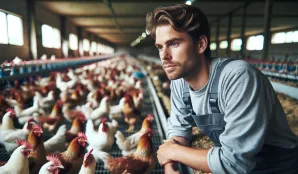
Chicken sorter salary
Latest available salary statistics are for 2025. Compare average pay, salary range and related job listings.
29 000 - 33 900 SEK / month
Women earn 100% of what men do.
Naturbruk
Related tools
Salary progression Chicken sorter
What does a chicken sorter do? – Tasks and work environment
A chicken sorter primarily works in an industrial environment with sorting, handling, and inspecting chickens within food production. Tasks include assessing chicken quality, sorting by size and weight, and ensuring hygiene and animal welfare standards are met. The pace is often high, and work is performed standing at assembly lines or production lines, where accuracy and speed are crucial. The environment can be noisy and sometimes cold, requiring protective equipment and good hygiene practices.
Wage development over time
The profession of chicken sorter has experienced relatively stable wage development in recent years. In 2022, the average salary was 27,200 SEK per month, increasing to 29 400 SEK in both 2023 and 2024. This represents a salary increase of approximately 4.4% from 2022 to 2023, but wages have remained unchanged since then. This trend reflects an industry with steady demand for labor, but large wage increases are uncommon. Wage development is influenced by labor market needs, collective agreements, and the relatively low educational threshold for the profession. Despite some gender-based salary differences, the average compensation has been relatively consistent between genders over time.
Chicken sorter salary – complete overview
- Average salary: 29 400 SEK/month
- Lowest salary: 27,000 SEK/month (female, private sector, high school education 3 years)
- Highest salary: 32,500 SEK/month (female, public sector, high school education up to 2 years)
- Hourly wage: 171 SEK
- Gender differences: Women earn 29 300 SEK, men 29,700 SEK (women earn 100 % of men's salary)
- Regional differences: Specific differences are not available, but variation may occur depending on demand in different regions
Education and qualifications
To work as a chicken sorter, no formal higher education is usually required, but high school education in natural resource use, animal care, or food production is advantageous. Employers value practical experience from similar environments, and introductory training is often provided on-site. The tasks require precision, good physical condition, and the ability to work at a high pace.
- High school education: Natural resource program, animal care, or food production (about 3 years)
- Introductory training: Often on the job, 1–2 weeks
- Prerequisites: No formal certification required, but practical experience is advantageous
- Certifications: Basic hygiene and safety training may be required
- Internship/practice: Opportunities for internships via high school programs or summer jobs
Working as a chicken sorter requires not only speed and accuracy but also a good ability to collaborate with colleagues and adapt to changing tasks. It is common for the workday to vary between different stations, making the role rarely monotonous.
Common benefits and compensation
Chicken sorters are often covered by collective agreements that grant access to overtime pay, holiday pay, and occupational pension schemes. Other common benefits include work clothing, wellness allowances, and sometimes subsidized lunches. In some cases, training in work environment and safety is offered, along with opportunities for further development within the company.
Competition and challenges
Demand for chicken sorters is stable on the labor market, but the profession is characterized by high staff turnover and physically demanding tasks. Recruitment difficulties often arise because many prefer part-time employment, as full-time positions are hard to fill. The work can be monotonous, and the pace is often high, requiring endurance and mental strength. It is also important to follow strict hygiene and safety routines, which can be challenging in a stressful environment. However, competition for jobs is not fierce, as employers often have ongoing recruitment needs.
Tips for those who want to become a chicken sorter
To succeed as a chicken sorter, it is good to be detail-oriented and have an eye for quality, as quality assurance is central to the work. Being able to handle stress helps in the often high workload, and good physical condition makes it easier to work long shifts standing at the assembly line. Flexibility is an advantage, as tasks may vary between stations during the day. Teamwork skills are appreciated by employers since collaboration is common in production environments. Showing engagement and willingness to learn new routines can also open doors for advancement within the company.
Key facts about chicken sorters
- Education level: High school education (natural resource use, animal care, or food)
- Work environment: Industrial production environment, often high pace
- Typical work form: Shift work, both full-time and part-time
- Demand: Great opportunities for nationwide employment
- Special skills: Basic hygiene and safety routines
Career paths and future prospects
After a few years of experience as a chicken sorter, there are opportunities to advance to roles such as team leader, production manager, or quality inspector within the food industry. According to the Employment Service's forecast for the occupation "breeders and caretakers of farm animals," the chances of employment are large even over the next five years, with demand remaining steady. The recruitment situation is characterized by many working part-time, so employers are often looking for new staff. There are good chances of employment for those who are flexible and willing to work shifts. In the industry, there are approximately 360 job openings nationwide, reflecting a continued stable labor market.
Common questions about chicken sorters
- What does a chicken sorter earn?
- The average salary is 29 400 SEK per month, with an hourly wage of 171 SEK. - Are there salary differences between men and women?
- Yes, women earn an average of 29 300 SEK while men earn 29,700 SEK, which means women earn 100 % of men's salaries. - What education is required to become a chicken sorter?
- High school education in natural resource use, animal care, or food is advantageous, but formal certification is not always necessary. - What is the work environment like for a chicken sorter?
- Work takes place in an industrial environment with a high pace, often on an assembly line, requiring good physical condition and precision. - What career development opportunities are available?
- Opportunities to advance to roles such as team leader, production manager, or other positions within the food industry after a few years of experience. - What are the future prospects for the profession?
- Demand is expected to remain unchanged over the next five years, with good opportunities for nationwide employment according to the Employment Service. - What is the highest and lowest salary for a chicken sorter?
- The highest salary is 32,500 SEK per month and the lowest is 27,000 SEK per month.

Salary distributed by age and sector
| Age | Base salary | Monthly salary | |
|---|---|---|---|
| 18-24 | 25200 kr | 26300 kr | |
| 25-34 | 28700 kr | 29300 kr | |
| 35-44 | 29700 kr | 30600 kr | |
| 45-54 | 30900 kr | 31400 kr | |
| 55-64 | 29900 kr | 30300 kr | |
| Snitt | 100% | 28700 kr | 29400 kr |
| Age | Base salary | Monthly salary | |
|---|---|---|---|
| 18-24 | 28400 kr | 30800 kr | |
| 25-34 | 99% | 29200 kr | 30800 kr |
| 35-44 | 115% | 31500 kr | 32600 kr |
| 45-54 | 32100 kr | 33400 kr | |
| 55-64 | 98% | 31000 kr | 32400 kr |
| Snitt | 99% | 30300 kr | 31800 kr |
| Age | Base salary | Monthly salary | |
|---|---|---|---|
| 18-24 | 28400 kr | 30800 kr | |
| 25-34 | 99% | 29200 kr | 30800 kr |
| 35-44 | 115% | 31500 kr | 32600 kr |
| 45-54 | 32100 kr | 33400 kr | |
| 55-64 | 98% | 31000 kr | 32400 kr |
| Snitt | 99% | 30300 kr | 31800 kr |
| Age | Base salary | Monthly salary | |
|---|---|---|---|
| 18-24 | 25200 kr | 26200 kr | |
| 25-34 | 28700 kr | 29300 kr | |
| Snitt | 99% | 28600 kr | 29300 kr |
| Age | Base salary | Monthly salary | |
|---|---|---|---|
| 18-24 | 25200 kr | 26200 kr | |
| 25-34 | 28700 kr | 29300 kr | |
| Snitt | 99% | 28600 kr | 29300 kr |
| Age | Base salary | Monthly salary | |
|---|---|---|---|
| Snitt | 100% | 29100 kr | 29500 kr |
| Age | Base salary | Monthly salary | |
|---|---|---|---|
| 25-34 | 99% | 29900 kr | 31000 kr |
| 35-44 | 115% | 28100 kr | 28800 kr |
| 55-64 | 98% | 30300 kr | 32900 kr |
| Snitt | 99% | 29600 kr | 32000 kr |
| Age | Base salary | Monthly salary | |
|---|---|---|---|
| 25-34 | 99% | 29900 kr | 31000 kr |
| 35-44 | 115% | 28100 kr | 28800 kr |
| 55-64 | 98% | 30300 kr | 32900 kr |
| Snitt | 99% | 29600 kr | 32000 kr |
| Age | Base salary | Monthly salary | |
|---|---|---|---|
| Snitt | 99% | 29100 kr | 29500 kr |
| Age | Base salary | Monthly salary | |
|---|---|---|---|
| Snitt | 99% | 29100 kr | 29500 kr |
| Age | Base salary | Monthly salary | |
|---|---|---|---|
| 18-24 | 24200 kr | 25700 kr | |
| 25-34 | 29400 kr | 30000 kr | |
| Snitt | 100% | 28300 kr | 29300 kr |
| Age | Base salary | Monthly salary | |
|---|---|---|---|
| 18-24 | 28300 kr | 30400 kr | |
| 25-34 | 99% | 29100 kr | 30700 kr |
| 35-44 | 115% | 32000 kr | 33100 kr |
| 45-54 | 32300 kr | 33200 kr | |
| 55-64 | 98% | 31100 kr | 32400 kr |
| Snitt | 99% | 30400 kr | 31800 kr |
| Age | Base salary | Monthly salary | |
|---|---|---|---|
| 18-24 | 28300 kr | 30400 kr | |
| 25-34 | 99% | 29100 kr | 30700 kr |
| 35-44 | 115% | 32000 kr | 33100 kr |
| 45-54 | 32300 kr | 33200 kr | |
| 55-64 | 98% | 31100 kr | 32400 kr |
| Snitt | 99% | 30400 kr | 31800 kr |
| Age | Base salary | Monthly salary | |
|---|---|---|---|
| 25-34 | 29400 kr | 30000 kr | |
| Snitt | 99% | 28300 kr | 29300 kr |
| Age | Base salary | Monthly salary | |
|---|---|---|---|
| 25-34 | 29400 kr | 30000 kr | |
| Snitt | 99% | 28300 kr | 29300 kr |

About the data
All information displayed on this page is based on data from the Swedish Central Bureau of Statistics (SCB), the Swedish Tax Agency and the Swedish employment agency. Learn more about our data and data sources here.
All figures are gross salaries, meaning salaries before tax. The average salary, or mean salary, is calculated by adding up the total salary for all individuals within the profession and dividing it by the number of individuals. For specific job categories, we have also considered various criteria such as experience and education.
Profession Chicken sorter has the SSYK code 6121, which we use to match against the SCB database to obtain the latest salary statistics.
-

Stable Assistant Needed for Weekday Mornings – Östra Torns Equestrian Club
Breeders and caretakers of farm animals
Sat, 11 Jul 2026 - 20:33 -

Animal Caretaker for Pig Production – Full Time in Rural Setting
Breeders and caretakers of farm animals
Fri, 10 Jul 2026 - 21:33 -

Stable Technician at Lövsta Agricultural Research, Uppsala
Breeders and caretakers of farm animals
Thu, 9 Jul 2026 - 01:54 -

Employee Wanted for Dairy Farm (600 Cows)
Breeders and caretakers of farm animals
Mon, 6 Jul 2026 - 23:46 -

Animal Caretaker / Farm Manager at Aviagen SweChick AB
Breeders and caretakers of farm animals
Mon, 6 Jul 2026 - 17:44
Compare salary, work tasks and job outlook in adjacent occupations to find roles with similar skills or pay levels.
-

Average salary: 29 400 SEK/month • Naturbruk
Breeders and caretakers of farm animals
Compare with Chicken sorter
Tue, 14 Jul 2026 - 11:22 -

Average salary: 31 752 SEK/month • Naturbruk
Growers of agricultural crops, fruit and berries
Compare with Chicken sorter
Tue, 14 Jul 2026 - 13:28 -

Average salary: 29 784 SEK/month • Naturbruk
Breeders and caretakers of pets
Compare with Chicken sorter
Tue, 14 Jul 2026 - 14:00 -

Average salary: 33 500 SEK/month • Naturbruk
Operators of agricultural and forestry machinery
Compare with Chicken sorter
Mon, 13 Jul 2026 - 05:11 -

Average salary: 29 400 SEK/month • Naturbruk
Breeders and caretakers of farm animals
Compare with Chicken sorter
Tue, 14 Jul 2026 - 07:12 -

Foreman, mixed operation salary
Average salary: 28 900 SEK/month • Naturbruk
Plant growers and animal breeders, mixed operations
Compare with Chicken sorter
Tue, 14 Jul 2026 - 13:08


