- Salary statistics
- Poultry breeders salary
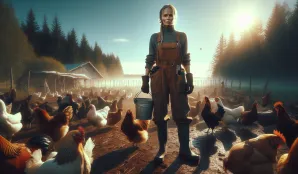
Poultry breeders salary
Latest available salary statistics are for 2025. Compare average pay, salary range and related job listings.
29 000 - 33 900 SEK / month
Women earn 100% of what men do.
Naturbruk
Related tools
Salary progression Poultry breeders
What does a poultry farmer do? – tasks and work environment
A poultry farmer is responsible for breeding, caring for, and monitoring poultry such as chickens, chicks, turkeys, and ducks. The work involves ensuring animal health through daily inspections, feeding, cleaning stables, and monitoring environmental conditions. Poultry farmers often work in larger facilities or smaller farms, where the work environment can be physically demanding and require good endurance. Hygiene routines are important to minimize the risk of disease spread, and work is conducted both indoors and outdoors depending on the season and production method.
Salary development over time
The salary development for poultry farmers has been relatively stable in recent years. In 2022, the average salary was 27,200 SEK per month, while in both 2023 and 2024 it reached 29 400. This represents an increase of approximately 4.4% from 2022 to 2023, which has persisted into 2024. This increase can be explained by generally rising wages within agricultural professions and increased demand for skilled labor in animal husbandry. Despite this, salary growth has plateaued in the past year, possibly due to market stability and a certain saturation in demand. The job market still indicates good opportunities for newcomers in the profession.
Poultry farmer salary – comprehensive overview
- Average salary: 29 400 SEK/month
- Lowest salary: 27,000 SEK/month
- Highest salary: 32,500 SEK/month
- Hourly wage: 171 SEK
- Men's average salary: 29,700 SEK/month
- Women's average salary: 29 300 SEK/month
- Women’s salary as a percentage of men's: 100%
- Regional differences: Data on differences are lacking, but variations may occur depending on county and employer.
Many poultry farmers choose to specialize in organic production, which not only requires specific certification but also opens new markets and collaborations with local food producers. The interest in locally produced and sustainable foods has increased, making the profession more dynamic and business-oriented than many first think.
Education and qualifications
To work as a poultry farmer, a high school education in natural resource use or agriculture is generally required, often with a focus on animal husbandry. Practical experience is highly valuable, and many employers view internships and further training in animal health and hygiene positively. There are opportunities for additional courses and certifications depending on the business focus.
- High school education: Natural resource use program, agriculture track (3 years)
- Certifications: Organic animal husbandry, hygiene training
- Internships: Common during high school or as trainees
- Prerequisites: Interest in animals and good physical ability
- Additional courses: Animal health, disease control, machinery handling
Common benefits and compensations
Poultry farmers are often offered benefits such as shift allowances for working inconvenient hours, wellness contributions, and training opportunities in animal welfare and machinery handling. The job may also include work shoes, work clothes, and sometimes access to housing on the farm. Some employers offer bonuses based on production results.
Competition and challenges
The competition for positions in poultry farming varies depending on region and season. A challenge is recruiting staff willing to work part-time or during inconvenient hours, as production often runs year-round. Hygiene and disease control requirements demand high attention to detail and responsibility. At the same time, long working hours and physically demanding tasks can be stressful, especially during busy periods. Automation and digitalization of agriculture also mean that poultry farmers need to be open to new technology and ongoing training.
Tips for aspiring poultry farmers
To succeed as a poultry farmer, having a genuine interest in animals and high endurance is beneficial. Precision is crucial for following hygiene routines and preventing disease spread, while flexibility helps manage unforeseen events in production. Being curious about technology makes it easier to handle machinery and digital systems increasingly common in the industry. Collaboration skills and communication are important, especially if working in larger teams or in contact with suppliers and customers. Finally, a problem-solving attitude is helpful when unexpected challenges arise in daily operations.
Key facts about poultry farmers
- Education level: High school, natural resource use program (3 years)
- Work environment: Physically demanding, both indoors and outdoors
- Typical employment: Full-time, but part-time is common
- Demand: Great opportunities for employment nationwide
- Special skills: Animal health, hygiene routines, machinery handling
Career paths and future prospects
After three to five years in the profession, poultry farmers can take on greater responsibilities, such as supervisor or farm manager roles. With further education, advisory roles, sales of animal feed, or quality control work may become relevant. Some choose to start their own organic production business or specialize in breeding and genetics. The employment service assesses that job opportunities are large and demand will remain unchanged over the next five years. However, recruiting fully employed staff can be challenging, as many work part-time and there is a certain shortage of full-time employees. Current statistics show approximately 360 job openings in the profession, indicating continued demand.
Common questions about poultry farmers
- What does a poultry farmer earn?
- A poultry farmer has an average salary of 29 400 SEK per month. - Are there differences between men and women?
- Yes, men earn an average of 29,700 SEK while women earn 29 300. - What are the highest and lowest salaries for poultry farmers?
- The highest salary is 32,500 SEK and the lowest 27,000 SEK. - What education is required?
- High school education in natural resource use, preferably with practical training and additional courses in animal husbandry. - What are the future prospects?
- Job opportunities are plentiful and demand is expected to remain unchanged over the next five years. - What are the most common work environment requirements?
- The work environment is often physically demanding and requires high attention to hygiene and disease control. - Are there many job openings?
- Yes, there are approximately 360 job openings in the profession right now.

Salary distributed by age and sector
| Age | Base salary | Monthly salary | |
|---|---|---|---|
| 18-24 | 25200 kr | 26300 kr | |
| 25-34 | 28700 kr | 29300 kr | |
| 35-44 | 29700 kr | 30600 kr | |
| 45-54 | 30900 kr | 31400 kr | |
| 55-64 | 29900 kr | 30300 kr | |
| Snitt | 100% | 28700 kr | 29400 kr |
| Age | Base salary | Monthly salary | |
|---|---|---|---|
| 18-24 | 28400 kr | 30800 kr | |
| 25-34 | 99% | 29200 kr | 30800 kr |
| 35-44 | 115% | 31500 kr | 32600 kr |
| 45-54 | 32100 kr | 33400 kr | |
| 55-64 | 98% | 31000 kr | 32400 kr |
| Snitt | 99% | 30300 kr | 31800 kr |
| Age | Base salary | Monthly salary | |
|---|---|---|---|
| 18-24 | 28400 kr | 30800 kr | |
| 25-34 | 99% | 29200 kr | 30800 kr |
| 35-44 | 115% | 31500 kr | 32600 kr |
| 45-54 | 32100 kr | 33400 kr | |
| 55-64 | 98% | 31000 kr | 32400 kr |
| Snitt | 99% | 30300 kr | 31800 kr |
| Age | Base salary | Monthly salary | |
|---|---|---|---|
| 18-24 | 25200 kr | 26200 kr | |
| 25-34 | 28700 kr | 29300 kr | |
| Snitt | 99% | 28600 kr | 29300 kr |
| Age | Base salary | Monthly salary | |
|---|---|---|---|
| 18-24 | 25200 kr | 26200 kr | |
| 25-34 | 28700 kr | 29300 kr | |
| Snitt | 99% | 28600 kr | 29300 kr |
| Age | Base salary | Monthly salary | |
|---|---|---|---|
| Snitt | 100% | 29100 kr | 29500 kr |
| Age | Base salary | Monthly salary | |
|---|---|---|---|
| 25-34 | 99% | 29900 kr | 31000 kr |
| 35-44 | 115% | 28100 kr | 28800 kr |
| 55-64 | 98% | 30300 kr | 32900 kr |
| Snitt | 99% | 29600 kr | 32000 kr |
| Age | Base salary | Monthly salary | |
|---|---|---|---|
| 25-34 | 99% | 29900 kr | 31000 kr |
| 35-44 | 115% | 28100 kr | 28800 kr |
| 55-64 | 98% | 30300 kr | 32900 kr |
| Snitt | 99% | 29600 kr | 32000 kr |
| Age | Base salary | Monthly salary | |
|---|---|---|---|
| Snitt | 99% | 29100 kr | 29500 kr |
| Age | Base salary | Monthly salary | |
|---|---|---|---|
| Snitt | 99% | 29100 kr | 29500 kr |
| Age | Base salary | Monthly salary | |
|---|---|---|---|
| 18-24 | 24200 kr | 25700 kr | |
| 25-34 | 29400 kr | 30000 kr | |
| Snitt | 100% | 28300 kr | 29300 kr |
| Age | Base salary | Monthly salary | |
|---|---|---|---|
| 18-24 | 28300 kr | 30400 kr | |
| 25-34 | 99% | 29100 kr | 30700 kr |
| 35-44 | 115% | 32000 kr | 33100 kr |
| 45-54 | 32300 kr | 33200 kr | |
| 55-64 | 98% | 31100 kr | 32400 kr |
| Snitt | 99% | 30400 kr | 31800 kr |
| Age | Base salary | Monthly salary | |
|---|---|---|---|
| 18-24 | 28300 kr | 30400 kr | |
| 25-34 | 99% | 29100 kr | 30700 kr |
| 35-44 | 115% | 32000 kr | 33100 kr |
| 45-54 | 32300 kr | 33200 kr | |
| 55-64 | 98% | 31100 kr | 32400 kr |
| Snitt | 99% | 30400 kr | 31800 kr |
| Age | Base salary | Monthly salary | |
|---|---|---|---|
| 25-34 | 29400 kr | 30000 kr | |
| Snitt | 99% | 28300 kr | 29300 kr |
| Age | Base salary | Monthly salary | |
|---|---|---|---|
| 25-34 | 29400 kr | 30000 kr | |
| Snitt | 99% | 28300 kr | 29300 kr |

About the data
All information displayed on this page is based on data from the Swedish Central Bureau of Statistics (SCB), the Swedish Tax Agency and the Swedish employment agency. Learn more about our data and data sources here.
All figures are gross salaries, meaning salaries before tax. The average salary, or mean salary, is calculated by adding up the total salary for all individuals within the profession and dividing it by the number of individuals. For specific job categories, we have also considered various criteria such as experience and education.
Profession Poultry breeders has the SSYK code 6121, which we use to match against the SCB database to obtain the latest salary statistics.
-

Stable Assistant Needed for Weekday Mornings – Östra Torns Equestrian Club
Breeders and caretakers of farm animals
Sat, 11 Jul 2026 - 20:33 -

Animal Caretaker for Pig Production – Full Time in Rural Setting
Breeders and caretakers of farm animals
Fri, 10 Jul 2026 - 21:33 -

Stable Technician at Lövsta Agricultural Research, Uppsala
Breeders and caretakers of farm animals
Thu, 9 Jul 2026 - 01:54 -

Employee Wanted for Dairy Farm (600 Cows)
Breeders and caretakers of farm animals
Mon, 6 Jul 2026 - 23:46 -

Animal Caretaker / Farm Manager at Aviagen SweChick AB
Breeders and caretakers of farm animals
Mon, 6 Jul 2026 - 17:44
Compare salary, work tasks and job outlook in adjacent occupations to find roles with similar skills or pay levels.
-

Animal breeders, others salary
Average salary: 30 000 SEK/month • Naturbruk
Other animal breeders and animal caretakers
Compare with Poultry breeders
Tue, 14 Jul 2026 - 08:17 -

Barn manager, farm pets salary
Average salary: 29 400 SEK/month • Naturbruk
Breeders and caretakers of farm animals
Compare with Poultry breeders
Tue, 14 Jul 2026 - 11:57 -

Agricultural inspector, mixed operation salary
Average salary: 44 900 SEK/month • Naturbruk
Specialists and advisors in agriculture etc.
Compare with Poultry breeders
Tue, 14 Jul 2026 - 11:57 -

Inspector, pet breeding salary
Average salary: 44 900 SEK/month • Naturbruk
Specialists and advisors in agriculture etc.
Compare with Poultry breeders
Mon, 13 Jul 2026 - 18:25 -

Average salary: 44 800 SEK/month • Naturbruk
Specialists and advisors in forestry
Compare with Poultry breeders
Tue, 14 Jul 2026 - 11:00 -

Average salary: 44 900 SEK/month • Naturbruk
Specialists and advisors in agriculture etc.
Compare with Poultry breeders
Tue, 14 Jul 2026 - 10:08


