News and articles
- Home
- Articles






Latest posts
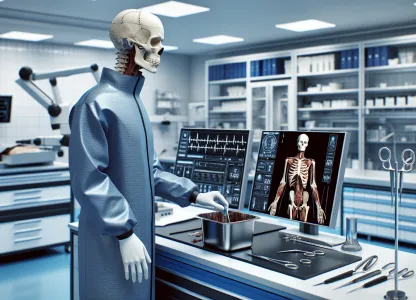
A forensic technician works closely with doctors and forensic personnel to prepare and assist with autopsies. The role involves receiving and identifying the deceased, documenting findings, and handling samples for further analysis. Tasks also include cleaning and maintaining autopsy rooms and managing protective equipment and infection risks. The environment is often clinical and sterile, and the work requires high precision, integrity, and respect for both the deceased and relatives.
Read more ->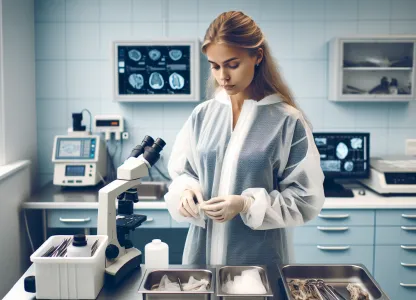
An autopsy assistant works closely with forensic doctors and pathologists and is an important part of the medical team during autopsies. Tasks include preparing and assisting with autopsies, handling and transporting the deceased, and ensuring that instruments and facilities are sterile and in order. The role also involves documentation, simple administrative tasks, and following strict routines regarding hygiene and safety. The work environment is often hospital-based, primarily in morgues or forensic departments, requiring both physical and mental resilience, as well as respectful treatment of the deceased and their relatives.
Read more ->-

Opinion Landscape: Novus February 2026 – Social Democrats Still Largest
Thu, 19 Feb 2026 - 01:35 -

Policy rate remains at 1.75% – Riksbank signals stability
Thu, 29 Jan 2026 - 14:02

An Obduktionsassistent primarily works alongside doctors and forensic pathologists during autopsies, assisting in examinations of the deceased to determine cause of death or gather medical facts. The work also includes practical tasks such as handling instruments, preparing bodies for autopsy, and cleaning and disinfecting work surfaces and equipment afterward. The environment is often technically advanced with high hygiene standards and precision requirements, performed in specialized autopsy rooms within hospitals or forensic institutions. The profession demands both physical and mental resilience, as tasks can be emotionally challenging and sometimes involve contact with relatives.
Read more ->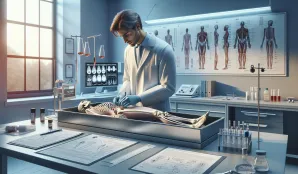
A Forensic Pathologist is a specialist doctor focusing on conducting autopsies to determine the cause of death through examination of deceased bodies. Tasks also include documenting findings, writing reports, and sometimes assisting police or judicial authorities in criminal investigations. The work is primarily carried out in hospital pathology departments or forensic medicine institutions, where high demands are placed on accuracy, analytical ability, and adherence to ethical guidelines. The work environment is usually clinical and requires both technical skill and mental resilience, as the profession involves working with the deceased and maintaining close contact with relatives and authorities.
Read more ->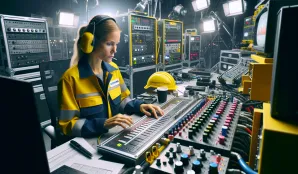
An OB-technician works with outdoor broadcasts for radio, TV, or digital media and is responsible for the technology related to image, sound, and communication on site. Tasks often include setting up and operating cameras, sound equipment, video mixers, and transmission systems, as well as troubleshooting and solving problems during live broadcasts. The environment varies and can involve both outdoor and indoor work, often under time pressure and requiring high technical accuracy. The profession demands good collaboration with other technicians, journalists, and production teams, especially during major events and live broadcasts where technical issues must be quickly addressed.
Read more ->
An OB assistant works within the field of image and broadcast technology, with a particular focus on outdoor productions (OB stands for Outside Broadcast). The role involves assisting technicians and producers during live broadcasts and recordings outside the regular studio environment, such as at sports events, concerts, or large-scale events. Tasks may include rigging technical equipment, cable management, supporting camera crews, and troubleshooting video and audio systems. The work often takes place in temporary environments and requires flexibility, quick problem-solving, and the ability to work independently and in teams. Working hours are often irregular and may include evenings, nights, and weekends—especially when broadcasts occur outside of regular office hours.
Read more ->
A Nystare primarily works within the textile, leather, and fur industries, focusing on operating and managing machines that process yarn, thread, or other fibers. Typical tasks include monitoring machine functions, loading raw materials, quality control during production, and basic maintenance and adjustments. The work environment is often production-oriented with monotonous tasks, noise, and sometimes shift work, making accuracy and endurance important qualities. Safety routines and ergonomics are central parts of daily work to prevent accidents and strain injuries.
Read more ->
A news reader is responsible for presenting current news events on radio, TV, or digital media, often live. Tasks include preparing scripts, delivering news clearly and credibly, and sometimes conducting interviews or handling live reports. The work is usually done in a studio environment under time pressure and requires good language skills, concentration, and the ability to manage unexpected events live. In the profession, collaboration with reporters, producers, and technicians is common to ensure high-quality broadcasts.
Read more ->
A news writer works with producing, editing, and adapting news texts for various media channels. Tasks range from writing quick news briefs to developing longer reports and analyses. Often, work is done under tight deadlines, where the ability to quickly process information and present it accurately is crucial. News writers collaborate closely with reporters, editors, and sometimes photographers or graphic designers to create informative and reader-friendly material. The work environment is characterized by a fast pace, strict deadlines, and high linguistic quality requirements, often in newsroom settings, but remote work options are also available.
Read more ->
A news reporter is responsible for quickly and accurately reporting on current events, both locally and nationally. Tasks include research, interviews, fact-gathering, writing articles, and reporting across different media. Often, coverage of press conferences, managing fast news flows, and digital publishing are included. The work environment is characterized by a fast pace, deadlines, and a need for constant availability, meaning work can take place both at the newsroom and in the field – sometimes during irregular hours.
Read more ->