- Salary statistics
- Settlement factor salary
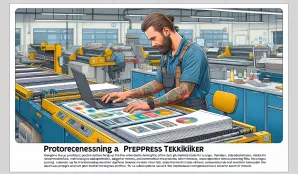
Settlement factor salary
Latest available salary statistics are for 2025. Compare average pay, salary range and related job listings.
33 300 - 39 000 SEK / month
Women earn 89% of what men do.
Industriell tillverkning
Related tools
Salary progression Settlement factor
What does a Sätterifaktor do? – Tasks and work environment
A Sätterifaktor primarily works within the graphic industry, where responsibilities include planning, supervising, and leading print production. The role often involves coordinating the production from material delivery to the finished product ready for printing or publication. The Sätterifaktor ensures all technical and quality requirements are met, manages work leadership, and acts as a link between clients, prepress, printing houses, and post-processing. The work environment is often production-oriented, with elements of both office work and presence in production facilities, where good communication and problem-solving skills are central.
Salary development over time
The salary of a Sätterifaktor has shown a relatively stable development over the past three years. In 2022, the average salary was 33,000 SEK, while in 2023 it increased to 34 700 SEK, representing an increase of about 5.5%. In 2024, the salary has stabilized at 35 300 SEK, indicating a slight decrease compared to the previous year. The trend shows that the profession has experienced a period of salary increases, likely due to increased demand for technical skills and changes within the printing industry, but development has since plateaued. Factors such as technological development and changes in production methods influence salary levels, as does the relatively limited supply of specialized labor.
Sätterifaktor salary – complete overview
- Average salary: 35 300 SEK/month
- Lowest salary: 31,800 SEK/month (female, private employee)
- Highest salary: 37,800 SEK/month (male, private employee)
- Hourly wage: 209 SEK/hour
- Gender differences: Women earn on average 33 400 SEK, men 37 700 SEK – women earn 89 % of men's salary
- Regional differences: No specific statistics available
Education and qualifications
To work as a Sätterifaktor, a high school vocational education in graphic production is usually required, supplemented with further training or work experience within printing or prepress. Many employers also value postgraduate courses in graphic technology or production management. Practical experience and technical understanding of printing processes are crucial, and certifications can be advantageous for those wishing to advance in the profession.
- High school education: Graphic technology/production, 3 years
- Postgraduate courses: Production technology, graphic prepress, project management
- Internship: Often mandatory during education
- Certifications: Meritorious in graphic standards and quality assurance
- Experience: Several years of practical work in printing or prepress environments
Many Sätterifaktorer develop a deep technical understanding of both traditional and digital printing methods, making the profession an important link between classic craftsmanship and modern production techniques.
Common benefits and compensations
Sätterifaktorer are often covered by collective agreements with benefits such as occupational pension, insurances, and wellness allowances. Other common compensations include overtime pay for shift work, opportunities for further training, and sometimes bonuses or performance-based supplements depending on employment type and employer size.
Competition and challenges
The profession of Sätterifaktor is characterized by some competition, as the number of positions is limited and demand varies with the economic cycle in the printing industry. Digitalization has changed the work content, requiring continuous skills development and adaptation to new technical platforms. A challenge is also maintaining quality and efficiency in an industry where production times are often tight and customer demands high. Lack of formal education can be an obstacle for new recruits, although extensive experience is highly valued by employers.
Tips for those who want to become a Sätterifaktor
To succeed as a Sätterifaktor, it is good to have a strong technical interest and a meticulous personality. Being solution-oriented helps in handling technical problems during production, and good collaboration skills are important since the role involves much contact with colleagues and customers. Flexibility and the ability to work under time pressure are crucial, as is staying updated on new production methods. Someone who is communicative and pedagogical finds it easier to lead teams and instruct others, and an interest in continuously developing their skills provides advantages in the job market. Showing engagement and responsibility is especially appreciated by employers in this sector.
Key facts about Sätterifaktor
- Average salary: 35 300 SEK/month
- Salary range: 31,800–37,800 SEK/month
- Gender difference: Women 33 400 SEK, men 37 700 SEK
- Education level: High school education with additional training
- Work environment: Production-oriented with office elements
Career paths and future prospects
After three to five years as a Sätterifaktor, there are opportunities to advance to roles such as production manager, prepress supervisor, or quality manager within the printing and graphic industry. Some choose to specialize in digital production or project management, while others pursue further education or consulting. According to the Swedish Public Employment Service's forecasts, no separate assessment is made for the profession due to limited data, but within the group prepress technicians and printers, 1,437 job openings are reported, indicating some demand. Future prospects depend on industry development and the continued impact of digitalization.
Frequently asked questions about Sätterifaktor
- What is the average salary of a Sätterifaktor?
- A Sätterifaktor has an average salary of 35 300 SEK per month. - What is the highest and lowest salary for a Sätterifaktor?
- The highest salary is 37,800 SEK and the lowest is 31,800 SEK per month. - Are there salary differences between men and women?
- Yes, men earn on average 37 700 SEK and women 33 400 SEK, which means women earn 89 % of men's salary. - What education is required to become a Sätterifaktor?
- High school education in graphic technology and practical experience are most common, sometimes supplemented with postgraduate courses. - What does the job market look like for a Sätterifaktor?
- The number of available jobs in the profession is 1,437, but no specific forecast exists for Sätterifaktor. - What tasks does a Sätterifaktor perform?
- Tasks include planning, supervising, and leading print production, as well as coordinating between different production stages. - What benefits are commonly offered?
- Company pension, wellness allowance, insurances, and sometimes overtime pay or bonuses are common benefits.

Salary distributed by age and sector
| Age | Base salary | Monthly salary | |
|---|---|---|---|
| 55-64 | 35600 kr | 36200 kr | |
| Snitt | 89% | 34800 kr | 35300 kr |
| Age | Base salary | Monthly salary | |
|---|---|---|---|
| 25-34 | 36200 kr | 36200 kr | |
| 35-44 | 36400 kr | 36700 kr | |
| 45-54 | 104% | 37300 kr | 37300 kr |
| 55-64 | 109% | 36900 kr | 36900 kr |
| Snitt | 104% | 36900 kr | 36900 kr |
| Age | Base salary | Monthly salary | |
|---|---|---|---|
| 25-34 | 36200 kr | 36200 kr | |
| 35-44 | 36400 kr | 36700 kr | |
| 45-54 | 104% | 37300 kr | 37300 kr |
| 55-64 | 109% | 36900 kr | 36900 kr |
| Snitt | 104% | 36900 kr | 36900 kr |
| Age | Base salary | Monthly salary | |
|---|---|---|---|
| 55-64 | 35600 kr | 36200 kr | |
| Snitt | 88% | 34700 kr | 35300 kr |
| Age | Base salary | Monthly salary | |
|---|---|---|---|
| 55-64 | 35600 kr | 36200 kr | |
| Snitt | 88% | 34700 kr | 35300 kr |
| Age | Base salary | Monthly salary | |
|---|---|---|---|
| Snitt | 89% | 37100 kr | 37700 kr |
| Age | Base salary | Monthly salary | |
|---|---|---|---|
| 45-54 | 104% | 36700 kr | 36700 kr |
| 55-64 | 109% | 35400 kr | 35400 kr |
| Snitt | 104% | 35900 kr | 36100 kr |
| Age | Base salary | Monthly salary | |
|---|---|---|---|
| 45-54 | 104% | 36700 kr | 36700 kr |
| 55-64 | 109% | 35400 kr | 35400 kr |
| Snitt | 104% | 35900 kr | 36100 kr |
| Age | Base salary | Monthly salary | |
|---|---|---|---|
| Snitt | 88% | 37100 kr | 37700 kr |
| Age | Base salary | Monthly salary | |
|---|---|---|---|
| Snitt | 88% | 37100 kr | 37700 kr |
| Age | Base salary | Monthly salary | |
|---|---|---|---|
| Snitt | 89% | 32900 kr | 33400 kr |
| Age | Base salary | Monthly salary | |
|---|---|---|---|
| 25-34 | 36200 kr | 36200 kr | |
| 35-44 | 37400 kr | 37500 kr | |
| 45-54 | 104% | 38400 kr | 38400 kr |
| 55-64 | 109% | 38400 kr | 38400 kr |
| Snitt | 104% | 37700 kr | 37700 kr |
| Age | Base salary | Monthly salary | |
|---|---|---|---|
| 25-34 | 36200 kr | 36200 kr | |
| 35-44 | 37400 kr | 37500 kr | |
| 45-54 | 104% | 38400 kr | 38400 kr |
| 55-64 | 109% | 38400 kr | 38400 kr |
| Snitt | 104% | 37700 kr | 37700 kr |
| Age | Base salary | Monthly salary | |
|---|---|---|---|
| Snitt | 88% | 32800 kr | 33300 kr |
| Age | Base salary | Monthly salary | |
|---|---|---|---|
| Snitt | 88% | 32800 kr | 33300 kr |

About the data
All information displayed on this page is based on data from the Swedish Central Bureau of Statistics (SCB), the Swedish Tax Agency and the Swedish employment agency. Learn more about our data and data sources here.
All figures are gross salaries, meaning salaries before tax. The average salary, or mean salary, is calculated by adding up the total salary for all individuals within the profession and dividing it by the number of individuals. For specific job categories, we have also considered various criteria such as experience and education.
Profession Settlement factor has the SSYK code 7321, which we use to match against the SCB database to obtain the latest salary statistics.
-

Production Worker for CTT Systems in Nybro (via NearYou)
Prepress technicians
Sat, 4 Jul 2026 - 01:55 -
Assembler for Innovative Industrial Company – Full-time with Potential for Direct Hire
Prepress technicians
Thu, 2 Jul 2026 - 23:41 -
Graphic Designer to Join Nord-Lock Group's Creative Team in Gothenburg
Prepress technicians
Wed, 10 Jun 2026 - 09:30
Compare salary, work tasks and job outlook in adjacent occupations to find roles with similar skills or pay levels.
-

Average salary: 34 800 SEK/month • Industriell tillverkning
Machine operators, filling, packing and labeling
Compare with Settlement factor
Tue, 14 Jul 2026 - 15:04 -

Average salary: 32 200 SEK/month • Industriell tillverkning
Other machine operators, textile, leather and leather industry
Compare with Settlement factor
Tue, 14 Jul 2026 - 09:18 -

Average salary: 35 200 SEK/month • Industriell tillverkning
Machine operators, mill, bakery and confectionery industry
Compare with Settlement factor
Tue, 14 Jul 2026 - 07:40 -

Machine operator, plasterboard salary
Average salary: 37 800 SEK/month • Industriell tillverkning
Machine operators, cement, stone and concrete products
Compare with Settlement factor
Tue, 14 Jul 2026 - 11:42 -

Average salary: 39 900 SEK/month • Industriell tillverkning
Stonemasons etc.
Compare with Settlement factor
Mon, 13 Jul 2026 - 05:37 -

Average salary: 35 700 SEK/month • Industriell tillverkning
Vehicle assemblers
Compare with Settlement factor
Tue, 14 Jul 2026 - 11:56


